
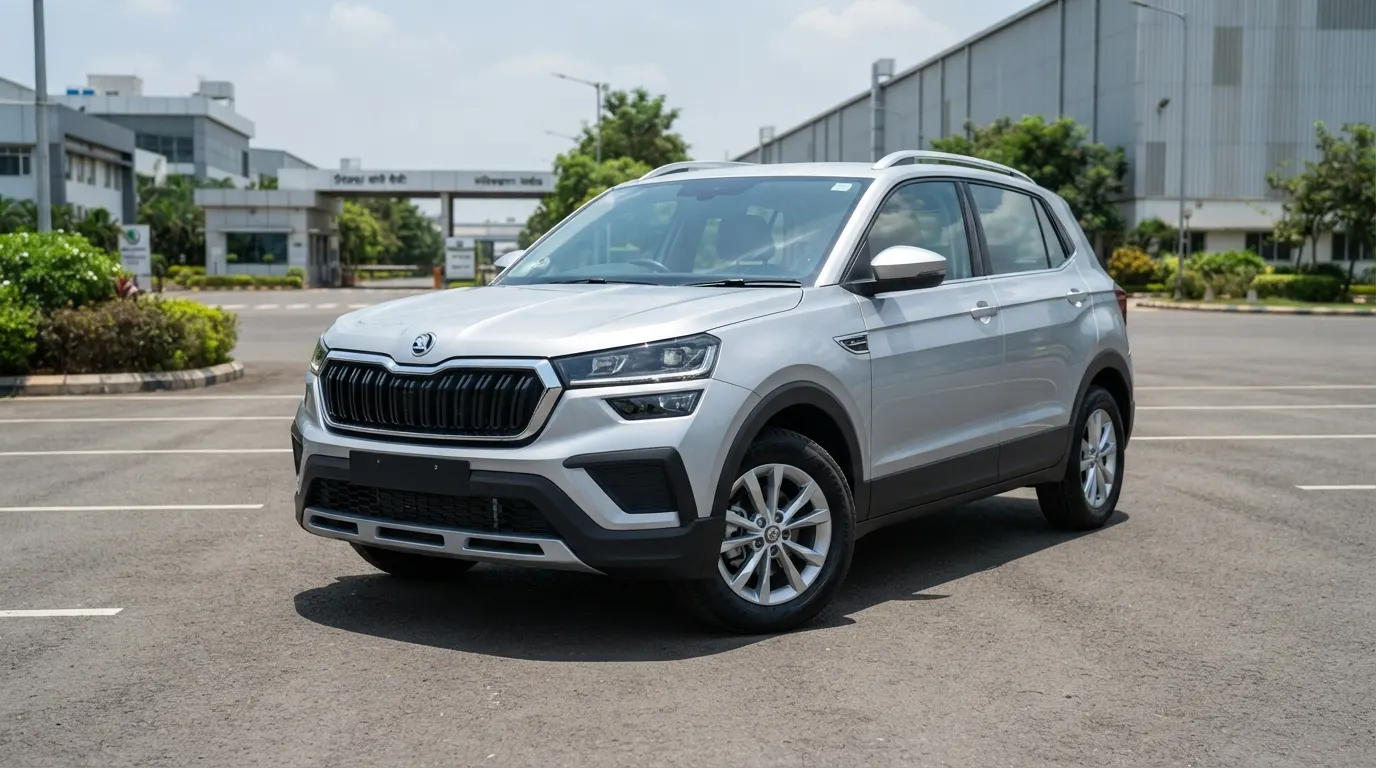
India’s automotive story is changing fast, and global carmakers are taking notice. Škoda Auto, part of the Volkswagen Group, is now openly talking about India as a Skoda India manufacturing hub that goes far beyond selling cars to local customers. According to Škoda Auto CEO Klaus Zellmer, the country is turning into a serious production base that can supply vehicles not just for Indian roads, but for markets across the world.
This shift didn’t happen overnight. It’s the result of years of investment, product planning, and a genuine belief that India’s factories, engineers, and suppliers can deliver world-class quality at a price that makes business sense.
From Sales Market to Manufacturing Powerhouse
For a long time, India was seen mainly as a place to sell cars, not build them for export. That perception is fading. Under the India 2.0 project, Škoda rolled out models built specifically for Indian conditions: the Kushaq, the Slavia, and the newer Kylaq, all developed with heavy local input rather than simply imported and rebadged.
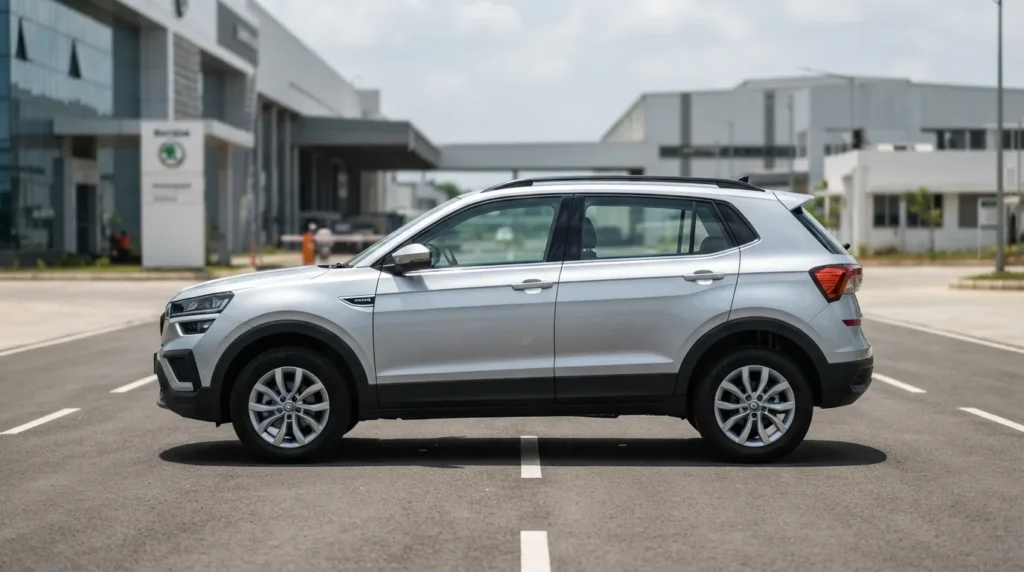
What makes this important is the Volkswagen Group India investment strategy behind it. The group hasn’t just set up assembly lines; it has pushed for deeper localisation of engines, transmissions, electronics, and interior components. That means fewer imported parts, lower costs, and cars that are genuinely tailored to what Indian buyers and, increasingly, overseas buyers actually want.
Why India’s Factories Are Winning Global Trust
Ask any manufacturing expert why India is attracting this kind of attention, and the answer usually comes down to a mix of skill and cost. Indian plants today combine trained engineering talent with modern production lines, and the supplier network around them keeps getting stronger every year.
| Manufacturing Strength | Why It Matters |
|---|---|
| Skilled engineering workforce | Ensures global quality standards on the shop floor |
| Competitive production costs | Keeps vehicles affordable without cutting corners |
| Strong local supplier base | Reduces dependency on imports, speeds up production |
| Growing component localisation | Lowers currency risk and manufacturing cost |
| Modern production facilities | Matches international benchmarks for build quality |
This combination is rare. Very few markets manage to balance affordability with the kind of quality that export customers demand, and that’s exactly the gap India seems to be filling.
Where the Exports Could Go
Škoda’s leadership believes India-built vehicles are ready to compete abroad, not just at home. The likely destinations aren’t a mystery; they’re markets with similar road conditions, similar price sensitivity, and growing demand for dependable cars.
| Potential Export Region | Why India Fits |
|---|---|
| South Asia | Geographic proximity, similar market needs |
| ASEAN countries | Cost-competitive vehicles, growing demand |
| Middle East | Durable, value-for-money cars in demand |
| Africa | Affordability and reliability matter most |
| Emerging markets globally | India offers a strong cost-to-quality ratio |
As these export volumes grow, India’s factories won’t just serve local showrooms; they’ll become a real part of Volkswagen Group’s global production map.
Localisation Is the Real Engine Behind This Growth
If there’s one word that keeps coming up in these conversations, it’s localisation. Sourcing parts from Indian suppliers instead of importing them isn’t just about saving money, though it does that too. It shortens supply chains, reduces exposure to currency fluctuations, and creates jobs in the local component industry.
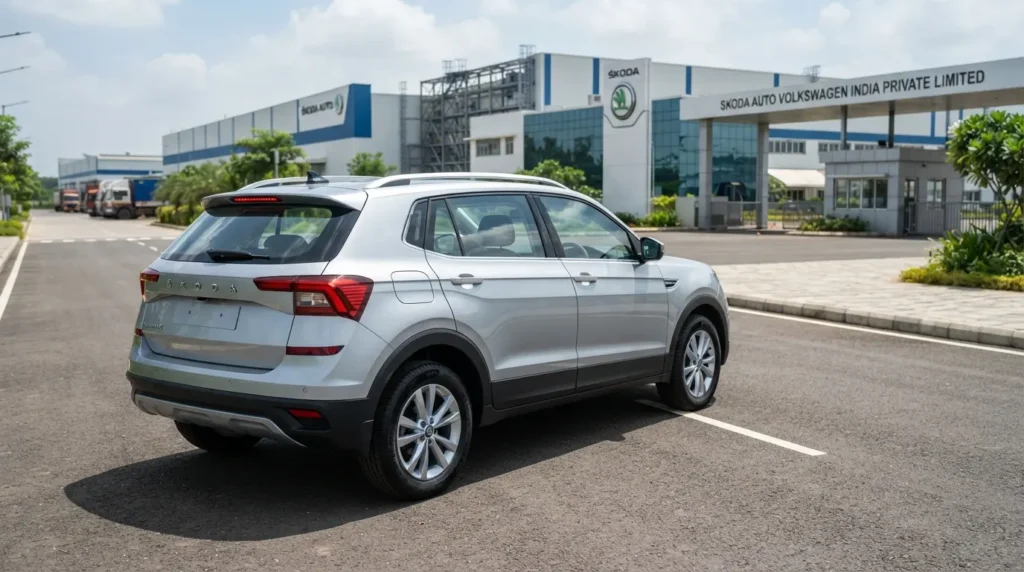
It also happens to align neatly with the government’s Make in India push, which has made it easier and more attractive for global brands to build deeper roots in the country rather than treating it as just another sales territory.
What It Means for Indian Car Buyers
None of this is happening in isolation; it directly affects the person walking into a showroom. Higher localisation usually brings more competitive pricing, better spare parts availability, and faster rollout of new features. Waiting periods tend to shrink, too, since cars don’t have to travel halfway across the world before reaching a dealership.
The Future in Focus
Klaus Zellmer’s comments aren’t just a passing remark; they reflect a genuine strategic bet on India’s long-term potential. With skilled talent, rising localisation, cost competitiveness, and now growing export ambitions, India is positioning itself as one of the more important manufacturing hubs in Volkswagen Group’s global network.
If this momentum continues, expect more locally engineered Škoda models, higher production numbers, and a stronger export footprint, all pointing toward one conclusion: India isn’t just building cars for itself anymore. It’s building them for the world.