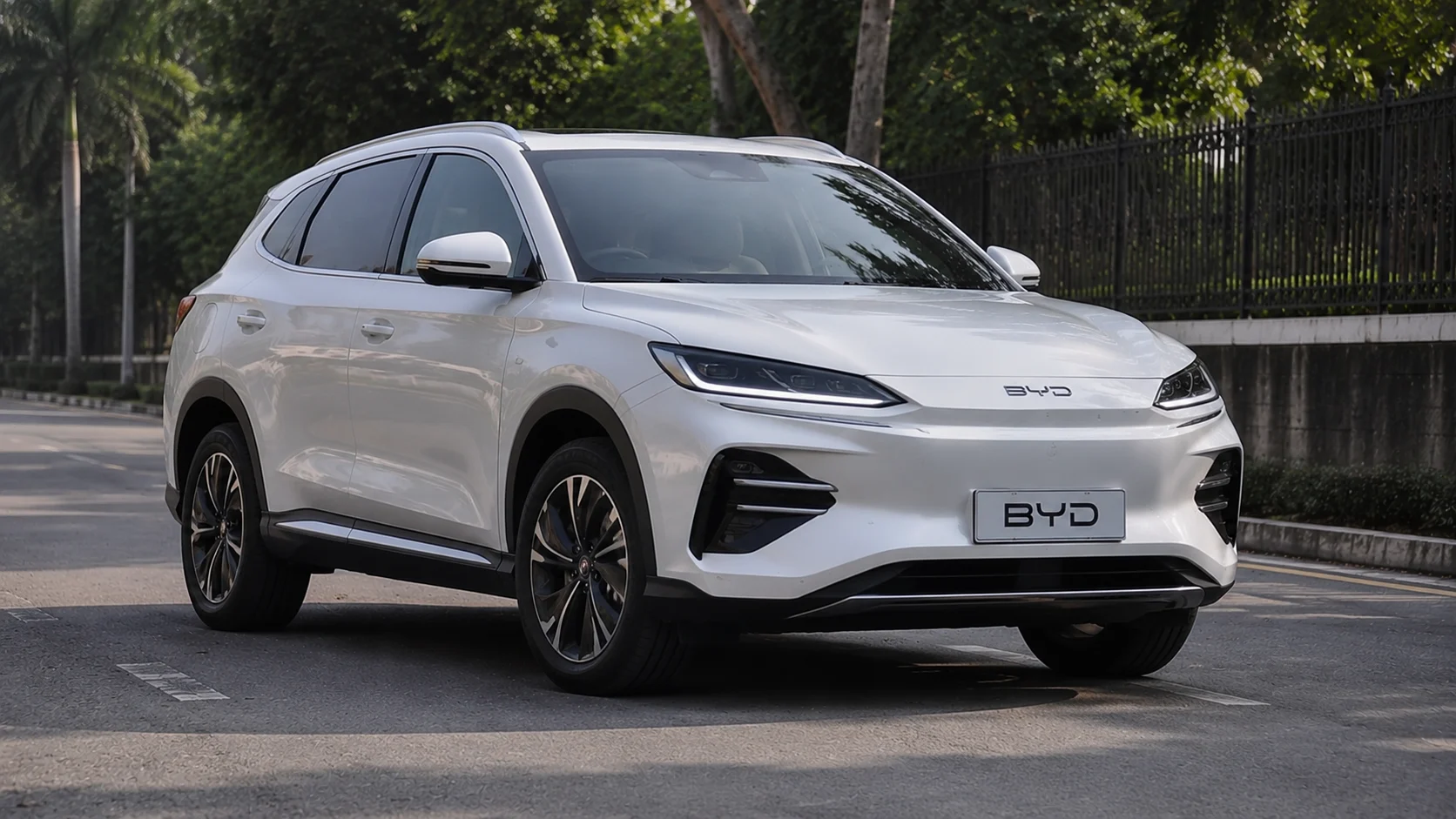
BYD India has quietly rolled out a price revision across its entire EV lineup starting July 1, 2026. If you were planning to buy an Atto 3, Seal, eMAX 7, or Sealion 7, here’s what you need to know before walking into a showroom.
The increase is not dramatic, somewhere between 1% and 2% depending on the model and variant, but on vehicles that already sit in the premium segment, even a small percentage can mean a significant jump in rupee terms.
Why Did BYD Raise Prices?
The company has pointed to foreign exchange volatility as the primary reason. Since BYD imports both components and fully built vehicles into India, a weaker rupee directly pushes up their landed cost. This is not unique to BYD. Several automakers operating in India have faced similar pressures over the past year, and price corrections have become a fairly routine response.
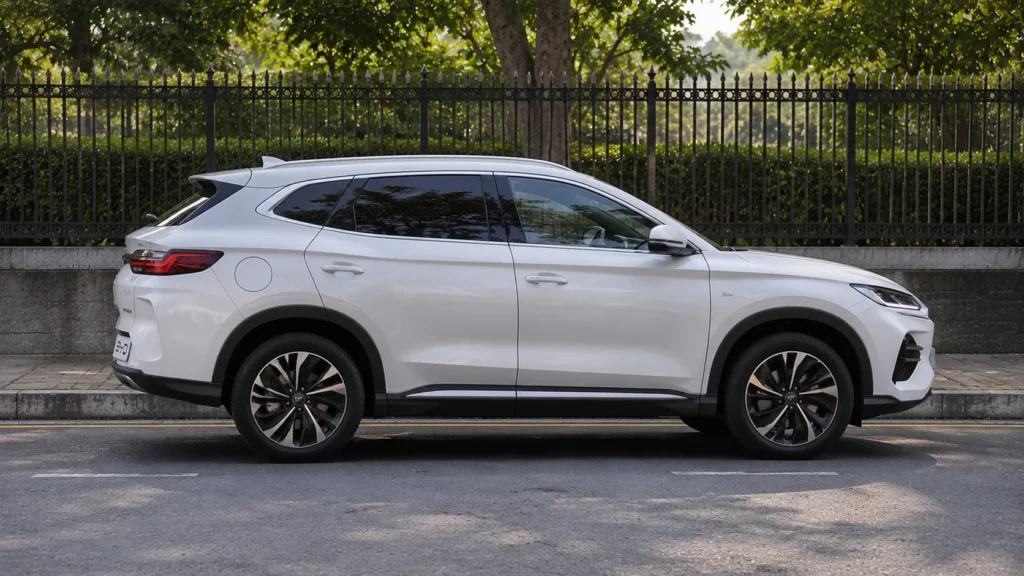
BYD has been clear that this is not a reflection of slowing demand. In fact, the company has highlighted strong interest in models like the Atto 3 and the recently launched Sealion 7 as proof that buyers remain engaged with the brand despite the premium pricing.
How Much More Will You Actually Pay?
While BYD has not published a variant-wise price sheet, the estimated increases based on the 1 to 2 percent revision work out to something like this:
| Model | Expected Price Increase |
|---|---|
| BYD Atto 3 | ₹30,000 – ₹50,000 |
| BYD eMAX 7 | ₹35,000 – ₹60,000 |
| BYD Seal | ₹50,000 – ₹80,000 |
| BYD Sealion 7 | Up to ₹100,000 |
The final number will depend on the variant you choose and the ex-showroom price in your city. It is worth calling your nearest BYD dealership to get a confirmed quote before making a booking.
What About Customers Who Already Booked?
BYD did offer a price protection window before the revision kicked in. Buyers who booked their vehicles during May or June 2026 and completed delivery before the deadline were allowed to take delivery at the old prices. That window has now closed. Any fresh booking from July 1 onwards will be at the revised pricing.
Where Does BYD Stand in India Right Now?
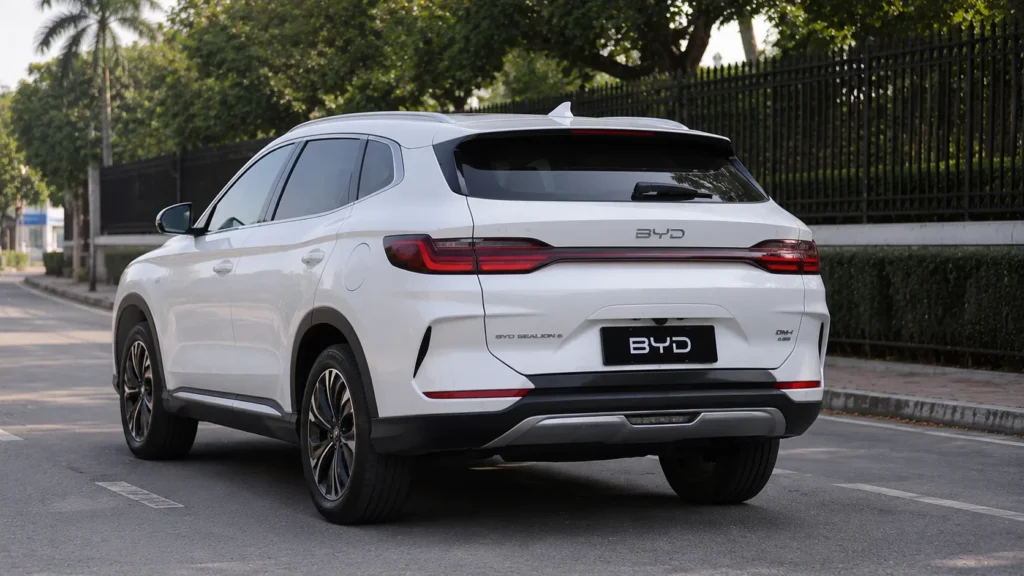
BYD currently offers four models in India: the Atto 3 electric SUV, the Seal premium electric sedan, the eMAX 7 electric MPV, and the Sealion 7 electric SUV. The company has been gradually building out its dealership and service network in major cities and is widely expected to introduce new products as India’s premium EV market continues to grow.
Does This Change Whether You Should Buy One?
Honestly, not by much. When you are spending anywhere from ₹30 lakh to ₹50 lakh or more on a vehicle, an increase of ₹30,000 to ₹1,00,000 is noticeable but not a dealbreaker for most serious buyers. BYD still offers competitive battery technology, long driving ranges, solid safety credentials, and feature-packed cabins that hold their own against rivals in the segment.
That said, if you were on the fence, this is a good reminder that waiting rarely works in your favor when carmakers signal a revision. The smart move is to lock in your booking sooner rather than later, especially with more updates possibly coming later in the year.
For now, anyone actively considering a BYD EV should visit their dealership, confirm the current on-road pricing in their city, and make an informed decision based on the full cost of ownership, not just the sticker price.