
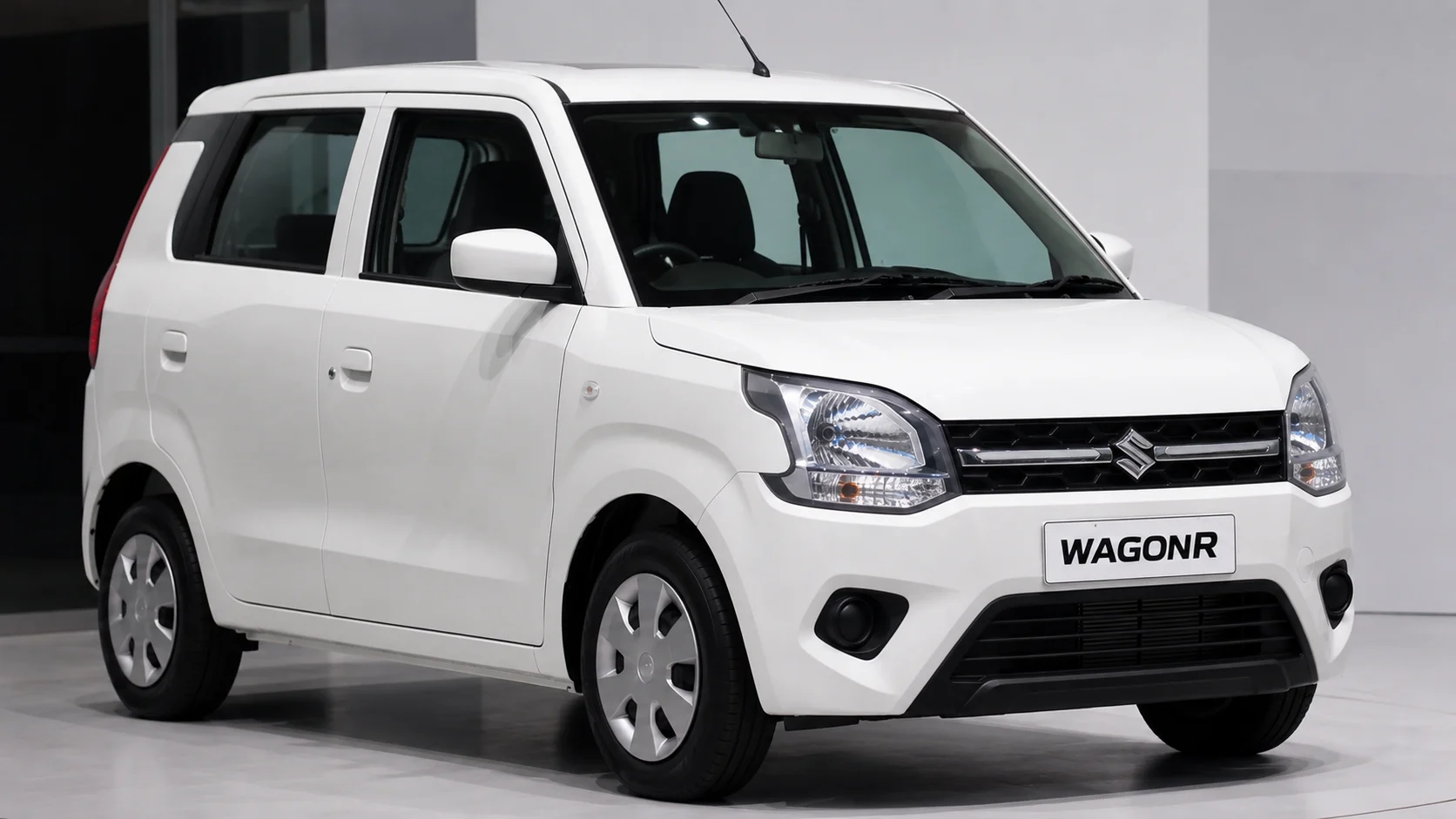
Maruti Suzuki created quite a buzz when it rolled out India’s first mass-market flex-fuel car, but the real numbers tell a quieter story. The Maruti WagonR BioFlex has managed just three retail registrations in its opening weeks, a figure that looks underwhelming on paper but makes a lot more sense once you look at what’s actually happening on the ground with flex-fuel cars in India.
What Exactly Is the WagonR BioFlex?
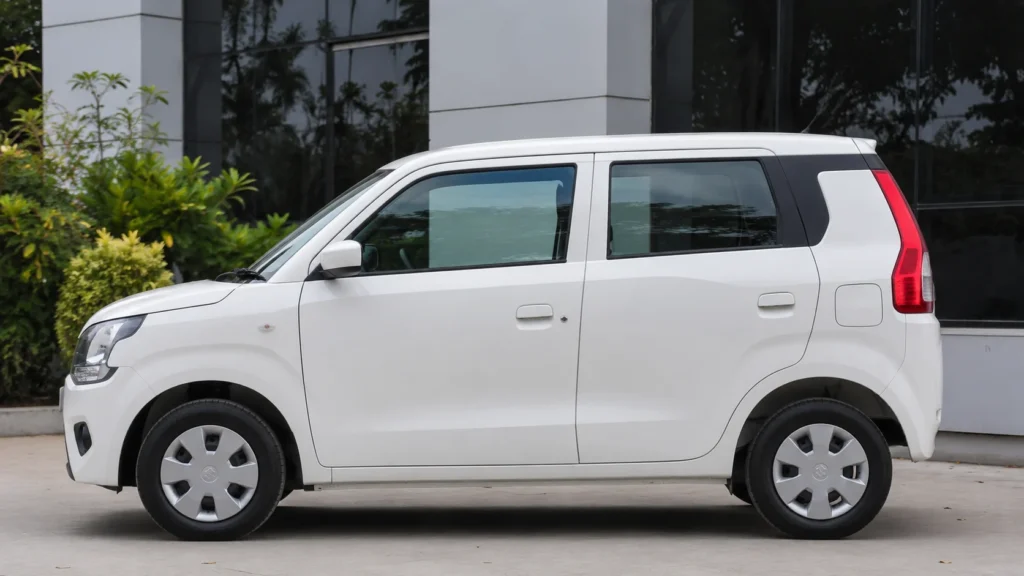
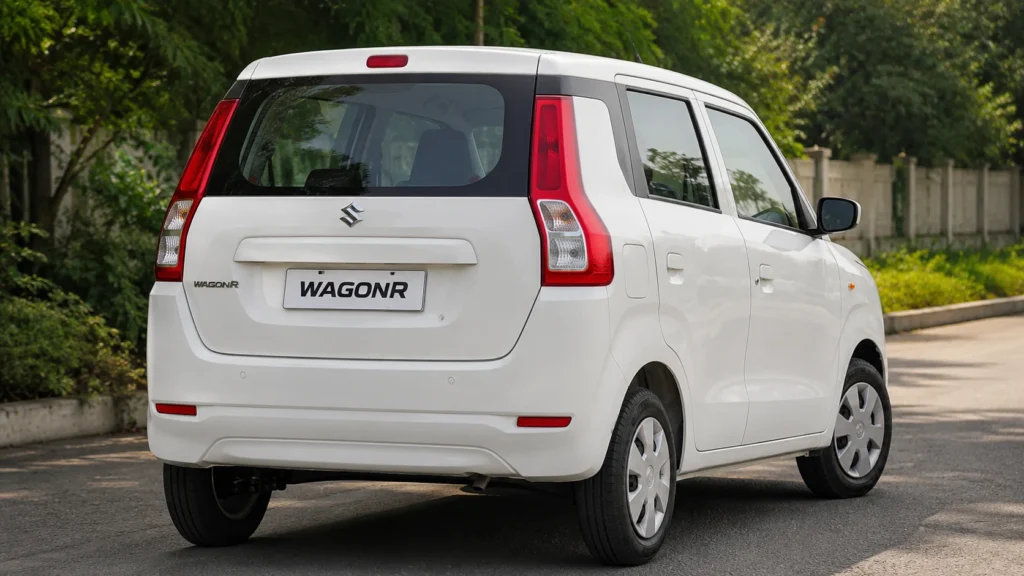
The WagonR BioFlex is built on the top-spec ZXi+ trim of the regular WagonR and is priced at around Rs 7.24 lakh, roughly Rs 86,000 above its petrol counterpart. It uses the same 1.2-liter, four-cylinder K12N engine producing 91 hp and 114 Nm, paired with a 5-speed manual gearbox. What sets it apart isn’t power or design, since the cabin and exterior are nearly identical to the standard car aside from a “Flex Fuel” decal and a “BioFlex” badge. The real changes are under the skin: upgraded fuel injectors and pumps, new fuel lines, a recalibrated ECU, and an ethanol sensor that constantly reads the fuel mix and adjusts engine timing accordingly. This lets the car run safely on anything from E20 to E85 and even higher blends the government wants to push in the coming years.
Why Have Sales Been So Slow?
The honest answer is that this was never going to be a volume seller from day one. E85 fuel stations are still few and far between, largely limited to select pockets in Delhi-NCR, Mumbai, Pune, and Nagpur, with the government targeting around 500 pumps by the end of 2026. If you don’t live near one, owning a flex-fuel car offers little day-to-day benefit over a regular petrol WagonR.
There’s also the mileage question. Ethanol carries less energy per liter than petrol, so running on E85 does bring fuel efficiency down, even though the per-liter price is lower. Maruti hasn’t released official mileage figures yet, and that uncertainty makes it harder for everyday buyers to judge whether the switch actually saves them money.
Add to this the fact that most Indian car buyers right now are gravitating toward CNG, strong hybrids, and EVs, all of which already have a head start in terms of infrastructure and public trust. A brand-new fuel technology, however promising, simply takes time to earn that same confidence.
Is This a Sign of Failure?
Not really. Flex-fuel cars in India are following a familiar script. CNG vehicles and EVs both went through slow, hesitant starts before infrastructure and awareness caught up with the technology. Maruti itself has pointed out that the focus shouldn’t be on early registration counts but on how quickly automakers, fuel retailers, and the government can move together on this.
The Road Ahead
For now, the WagonR BioFlex works better as a proof of concept than a mainstream product. It shows that Indian manufacturers can build flex-fuel technology that works, even if the ecosystem around it isn’t ready yet. As ethanol pump numbers grow and more manufacturers like Toyota, Hyundai, and Tata Motors bring their own flex-fuel models to market, the picture could look very different in a couple of years.
Buyers looking for a hatchback today are still better off with the standard petrol or CNG WagonR, which offers far wider fuel availability. But keep an eye on this space. India’s ethanol push is only getting started, and cars like the WagonR BioFlex are the first real step toward that future.