For years, the three-row SUV fight in India has been a straight contest between the Tata Safari and the Mahindra XUV700. Both have loyal fan bases, both sell in big numbers every month, and both have basically written the rulebook for what a family-friendly, feature-loaded SUV should look like in this price band. Now MG wants a seat at that table too, and it’s walking in with something neither rival currently offers: a plug-in hybrid powertrain.
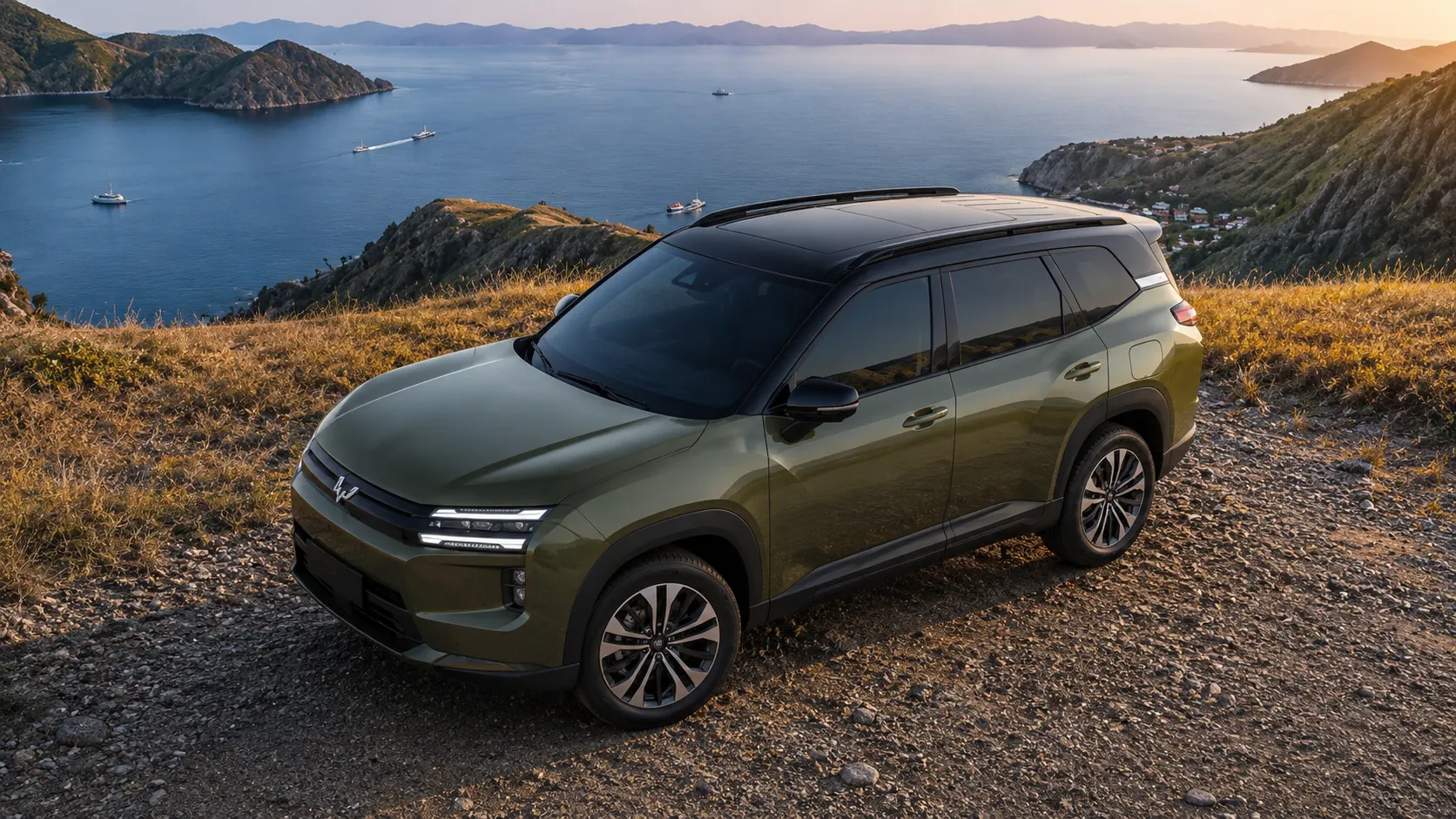
The car in question is the MG Hector Hawk, unveiled on July 16, 2026, as JSW MG Motor India’s first “New Energy Vehicle.” It’s based on the Wuling Starlight 560, a three-row SUV already sold in several Asian markets, and MG has clearly borrowed the brand equity of the Hector name to make it feel familiar to Indian buyers, even though underneath it’s a very different, larger vehicle.
Size and First Impressions
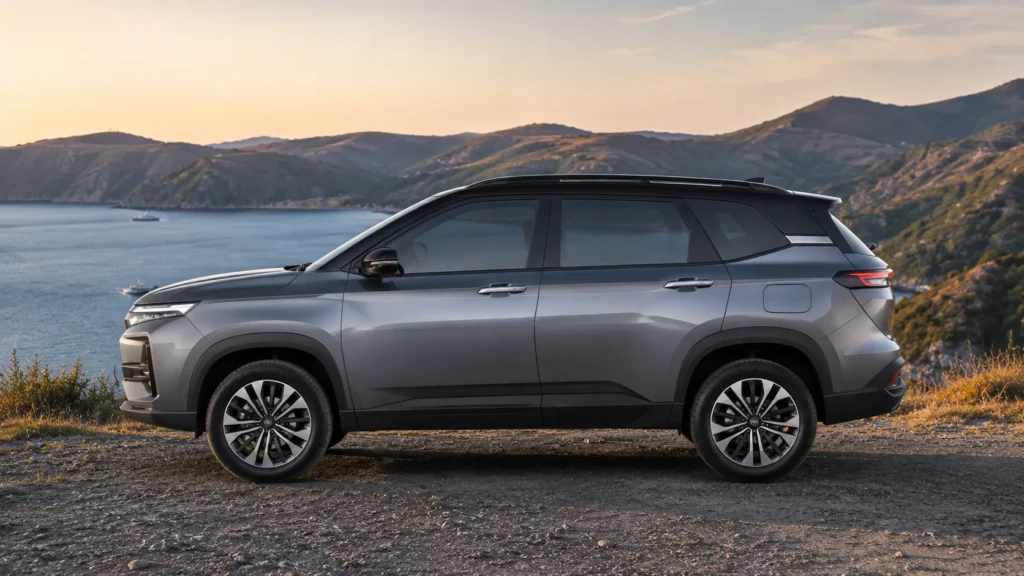
At 4,745mm long, 1,850mm wide, and riding on a 2,810mm wheelbase, the Hector Hawk is noticeably bigger than the current Hector, and it’s also longer than the XUV700 and sits close to the Safari on paper. MG is pitching it with a boxy, upright stance and a bold grille, and the company has been talking up “Maharaja-like” legroom for rear passengers, which tells you exactly who they’re targeting: buyers who care about third-row comfort as much as badge value.
The Powertrain Is the Real Story
Here’s where things get interesting. The Hector Hawk pairs a 1.5-litre naturally aspirated petrol engine with an electric motor and a 20.5 kWh LFP battery pack, giving a combined output in the region of 197 PS. MG is claiming an electric-only range of around 100 km and a total combined range that could stretch past 1,000 km on a full tank and full charge. That’s a genuinely different proposition compared to the Safari’s diesel and petrol options or the XUV700’s turbo-petrol and diesel engines, neither of which offer any plug-in capability today.
For someone doing daily city commutes on electric power alone, then switching to petrol for long highway runs, this could work out cheaper to run over time, though real-world efficiency will only be clear once reviewers get proper seat time with it.
Where Safari and XUV700 Still Hold the Cards
It would be premature to call this a knockout blow. Both the Safari and XUV700 have years of dealer network trust, strong resale value, and established service ecosystems behind them, things a brand-new nameplate simply can’t match on day one. The XUV700, in particular, remains hard to beat on ADAS features and driving dynamics, while the Safari has built its identity around that commanding road presence and Tata’s own safety reputation.
Pricing Will Decide Everything
MG hasn’t announced final prices yet; the full market launch is expected closer to Diwali 2026, with industry estimates pointing to a starting price somewhere between ₹18 lakh and ₹20 lakh (ex-showroom). If MG prices it aggressively, undercutting the top-end diesel Safari and XUV700 variants while offering hybrid running costs, it could genuinely disrupt this segment. Price it too close to the segment ceiling, and it risks being seen as a niche choice rather than a mainstream rival.
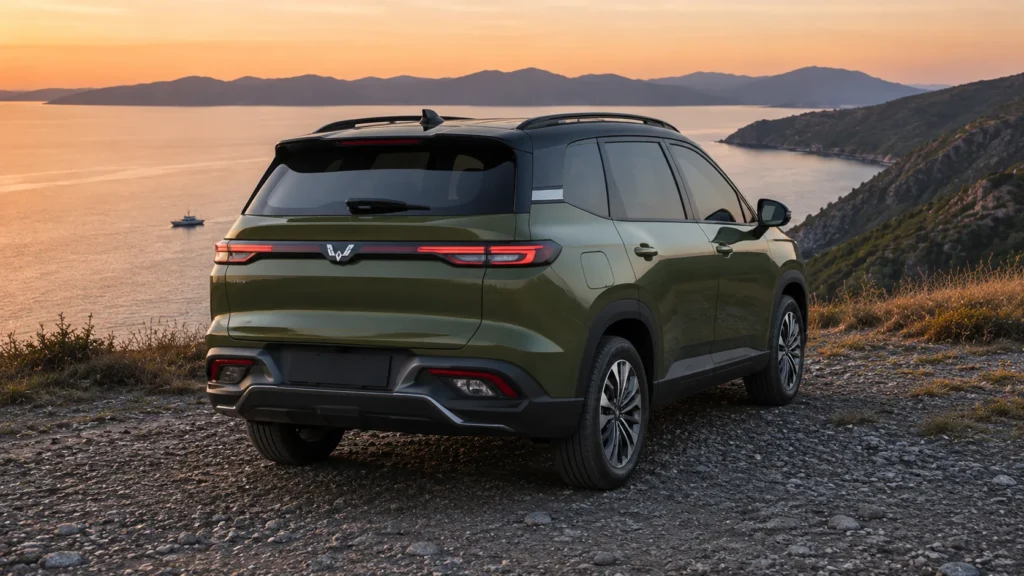
Until the official pricing and reviews land, the Hector Hawk remains a fascinating “what if”, the first mainstream plug-in hybrid SUV in a segment that’s been running on pure petrol and diesel for years. Whether it can actually dethrone the Safari and XUV700 is a question only the next few months, and MG’s pricing sheet can answer.