Kia India has laid out its clearest roadmap yet for the second half of this decade, and it’s a plan that hedges its bets across nearly every powertrain option available. Rather than betting the house on electric vehicles alone, the Korean carmaker is building a lineup that includes strong hybrids, factory-fitted CNG models, and battery electric vehicles side by side. The goal: 10 models in India by 2030, with eight of them running on some form of electrified power.
What Kia Has Confirmed
Speaking to Autocar Professional, Kia India’s Atul Sood laid out the thinking behind this multi-powertrain approach in plain terms. The company wants to give customers every option available and let them choose what fits their needs, rather than pushing them toward a single technology.
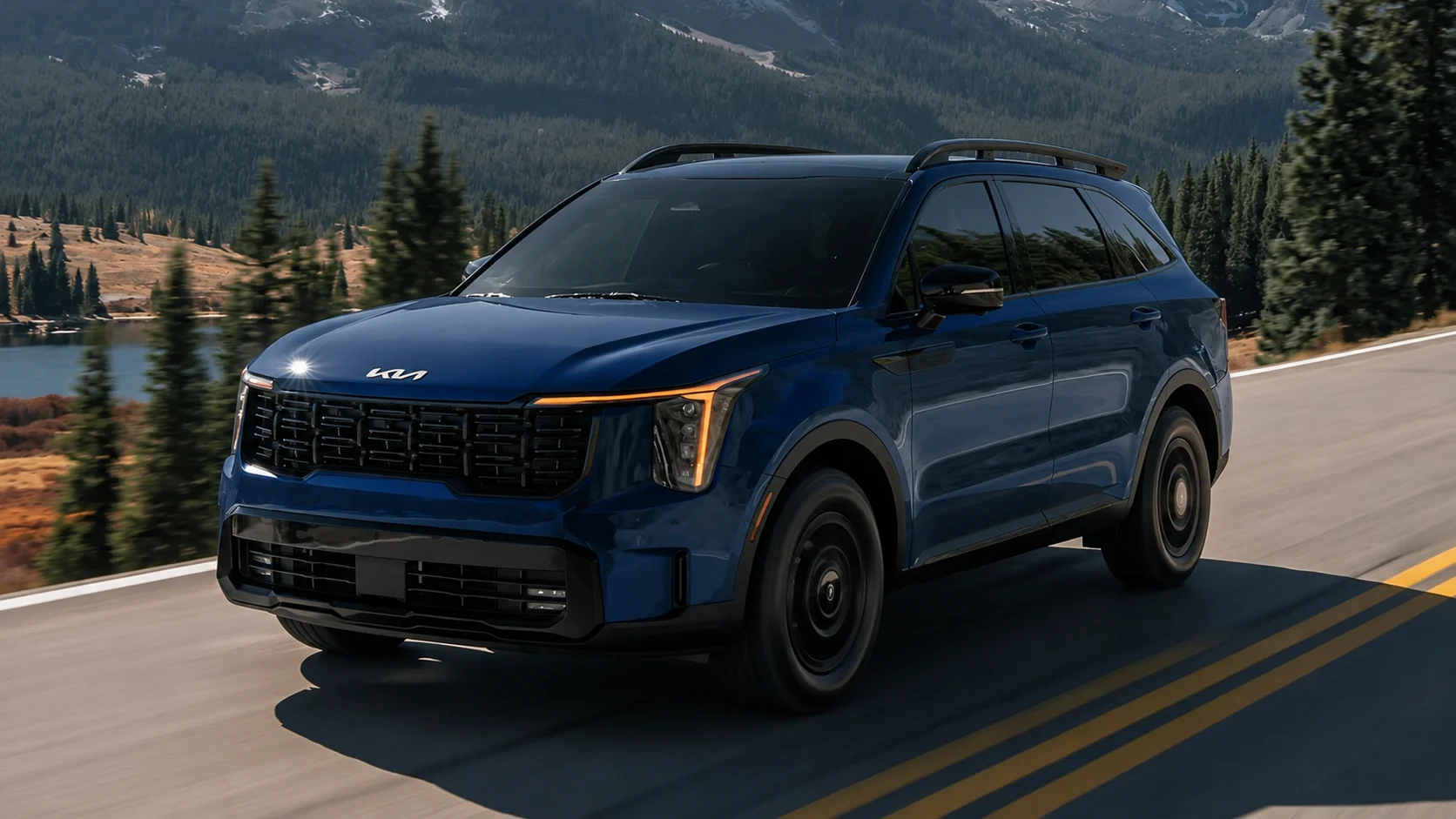
That strategy already has some concrete shape to it. Kia currently sells four EVs in India: the EV6, EV9, Carens Clavis EV, and the recently launched Syros EV. On the hybrid side, a strong-hybrid Seltos is under development, with the Sorento and Carnival also expected to get hybrid powertrains as they arrive in India. That accounts for seven of the eight electrified models Kia is targeting, with speculation pointing to another compact SUV, possibly the Sonet, rounding out the eighth.

Just as notable is Kia’s confirmation that it’s working on factory-fitted CNG models, something the brand hasn’t offered in India before. Today, CNG buyers looking at a Kia have had to rely on dealer-fitted retrofit kits for the Carens. Sood described the engineering work on factory CNG as being in strong progress, though he stopped short of giving a launch timeline. Importantly, he also noted that Kia isn’t limiting CNG development to MPVs alone; it’s evaluating the technology across multiple segments depending on where demand shows up.
The Bigger Picture
This roadmap was first outlined at Kia’s 2026 CEO Investor Day, where the company set ambitious targets alongside the product plan: annual sales of over 4 lakh units in India and a 7.6 percent market share by 2030, supported by an expansion of the dealer network to 800 outlets. Kia expects electrified vehicles, EVs and hybrids combined, to make up 43 percent of its India sales by the end of the decade.
The Sorento and Carnival hybrids are expected to borrow from their international counterparts. The global Carnival hybrid, for instance, pairs a 1.6-litre turbo-petrol engine with an electric motor for a combined output in the region of 268 bhp, though it isn’t yet clear if Kia will bring that exact setup to India or localise a different configuration. Kia is also studying the possibility of a fully electric Seltos to rival the Hyundai Creta Electric, though no production timeline has been confirmed there either.
Why This Approach Makes Sense for India
India’s car market doesn’t move in one direction. EV adoption is growing steadily in cities, but hybrids and CNG continue to draw serious interest from buyers who want lower running costs without range anxiety or charging infrastructure concerns. By spreading its bets across electric, hybrid, and CNG rather than committing solely to EVs, Kia is acknowledging a reality that most automakers in India have already come to terms with: the transition away from pure petrol and diesel will be gradual and uneven across segments and price points.
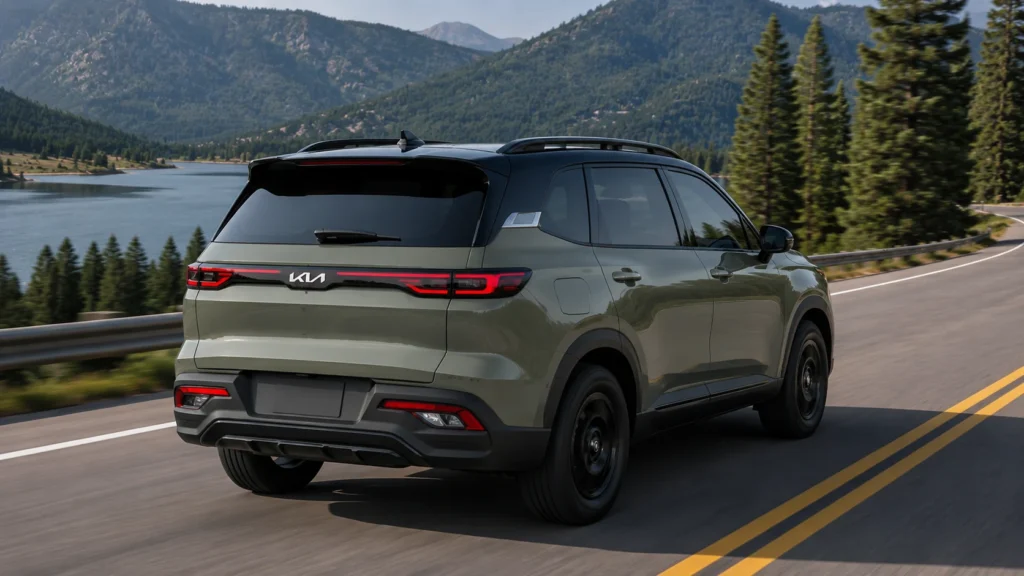
For now, the Seltos hybrid appears to be the nearest-term product to watch, with the Sorento and Syros EV also expected to arrive well before the rest of this roadmap plays out toward 2030.