
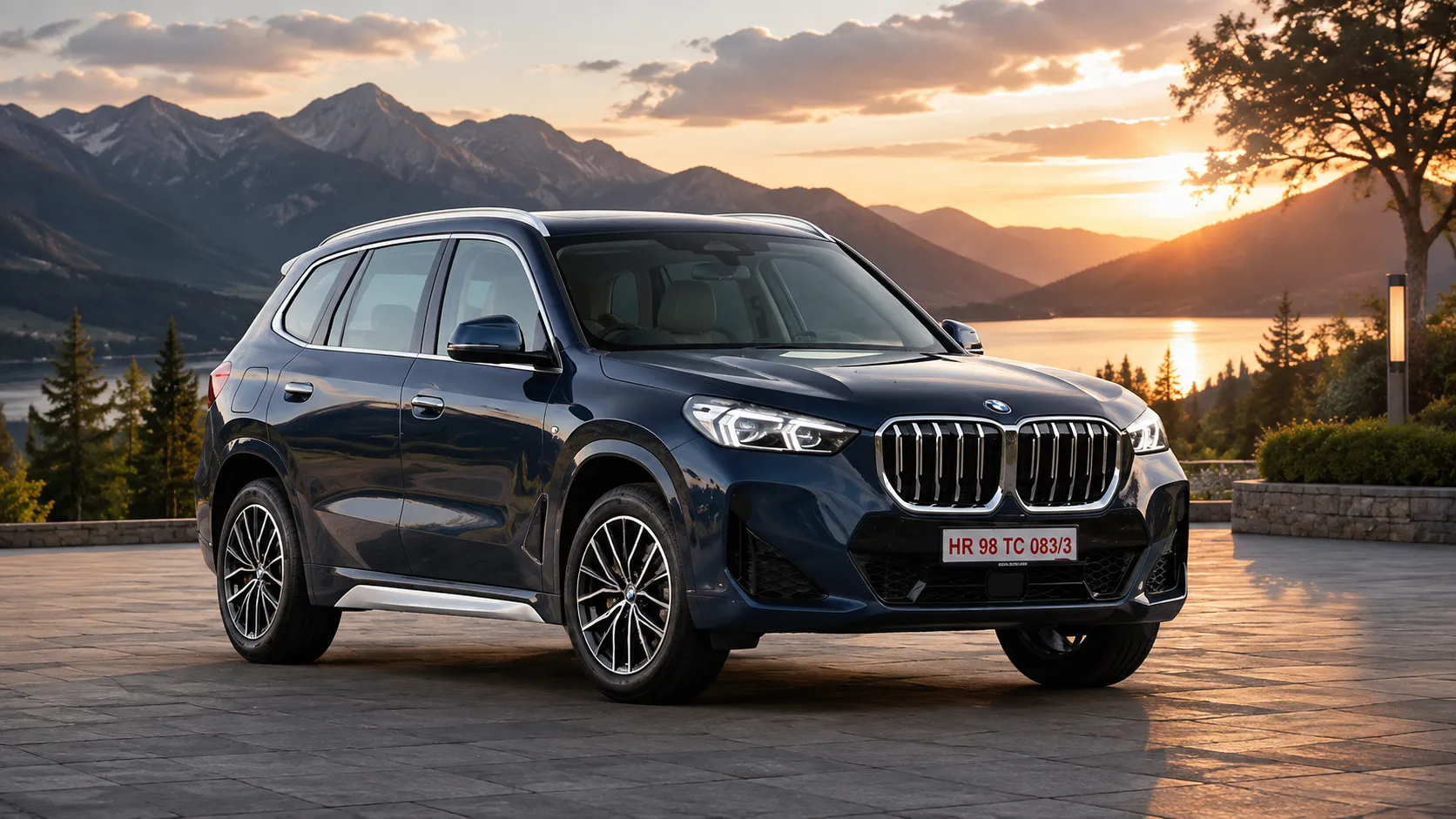
The luxury compact SUV segment in India is set for an interesting battle as BMW has introduced the X1 Long Wheelbase, while Audi is preparing to bring the third-generation Q3 to the market. Both SUVs target buyers looking for premium styling, strong performance and modern features, but their priorities are noticeably different. The BMW X1 LWB focuses heavily on cabin space and rear-seat comfort, while the new Audi Q3 is expected to make a stronger impression with technology and a fresh cabin.
BMW X1 LWB: Bigger on Space
The biggest advantage of the BMW X1 LWB is its stretched proportions. The SUV measures 4,616mm in length and gets a wheelbase of around 2,800mm, making it substantially longer than the standard X1. BMW says the additional length has helped create one of the most spacious five-seat SUVs in its segment.
The extra wheelbase is particularly useful for rear passengers. There is more legroom and a greater sense of openness, which could make the X1 LWB a strong choice for buyers who frequently travel with family or use the rear seats with a chauffeur.
The X1 LWB is currently offered in India in the sDrive 18Li petrol variant, with a starting ex-showroom price of Rs 49.90 lakh. The SUV also gets features such as a panoramic glass roof, digital displays, connected technology and a 360-degree camera.
New-gen Audi Q3: Technology Takes Centre Stage
The third-generation Audi Q3 takes a different approach. Instead of simply stretching the body, Audi has given the Q3 a completely new design and a significantly updated interior. The cabin features a large central touchscreen and digital instrumentation, giving it a more modern and technology-focused appearance.
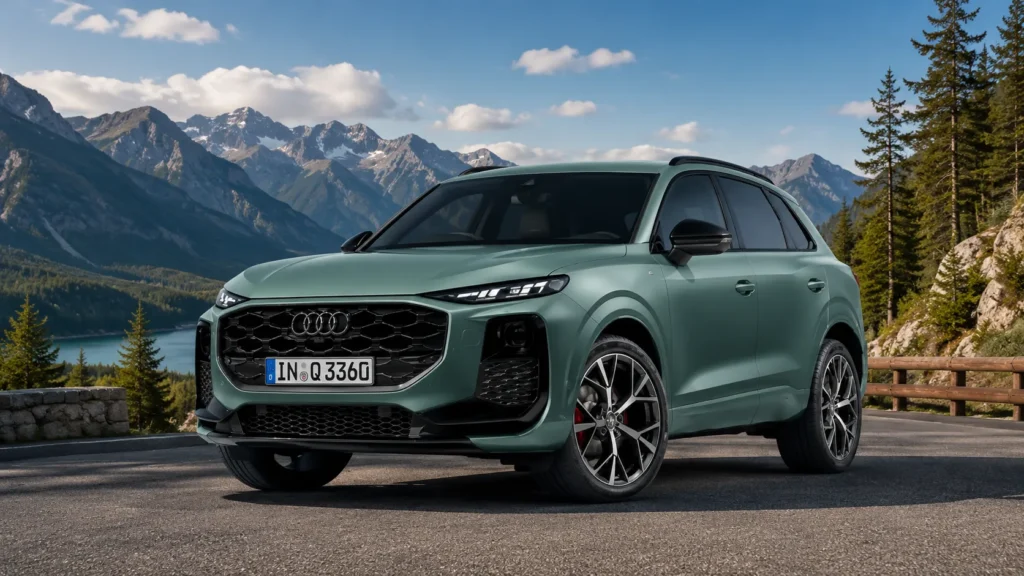
The new Q3 also brings upgraded driver assistance technology and a more contemporary exterior, including OLED tail-lamp technology. The India-spec SUV is expected to retain a 2.0-litre turbo-petrol engine paired with Quattro all-wheel drive, although final specifications will be confirmed closer to its launch.
In terms of practicality, the new Q3 offers 488 litres of boot space in its standard configuration, while its rear seats can be split 40:20:40 for additional flexibility.
Space or Technology?
This is where the comparison becomes interesting. The BMW X1 LWB clearly has the advantage when rear-seat space is the priority. Its 2,800mm wheelbase is significantly longer than the new Q3’s 2,680mm wheelbase, giving BMW a useful advantage for passengers.
The Audi, however, is likely to appeal more strongly to buyers who value a modern cabin, digital features and advanced technology. Its new-generation platform and redesigned interior make it feel like a newer product compared with the current X1 architecture.
Which One Makes More Sense?
The BMW X1 LWB looks like the more practical luxury SUV for families, especially for buyers who regularly use the rear seats. Its larger dimensions and stretched wheelbase give it a clear space advantage.
The new Audi Q3, meanwhile, could be the better choice for technology-focused buyers who want a newer design, modern cabin and Quattro all-wheel drive. With the Q3 expected to arrive in India during the 2026 festive season, the final pricing and equipment list will determine how closely it can challenge the X1 LWB.
For now, the BMW wins the space battle, while the upcoming Audi Q3 appears ready to fight back with technology and a fresh-generation package.
Also Read :- Volkswagen Virtus Facelift: Expected Design, Features & Engines