
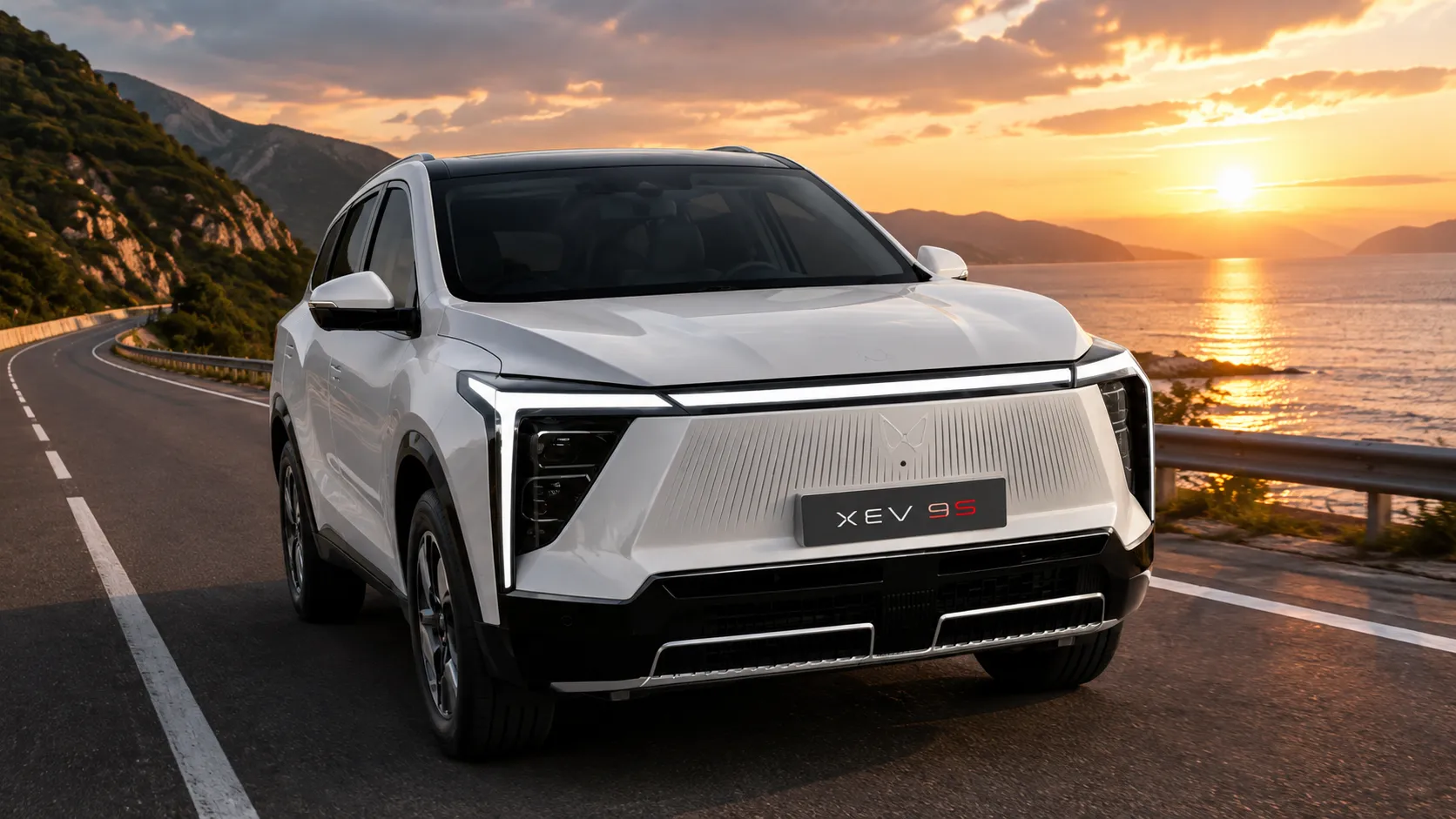
Mahindra could be exploring range-extender technology for the XEV 9S as part of its broader electrification strategy. The upcoming electric SUV is expected to use a petrol engine not to directly drive the wheels, but potentially as a generator to produce electricity for the battery and electric motors.
A range-extender setup could offer an alternative to a conventional battery-electric powertrain. In this configuration, the vehicle would primarily operate using electric motors, while a small petrol engine could start when the battery charge drops below a certain level. The engine would generate electricity, which could either support the motor or help maintain the battery charge.
Range-Extender Could Address Long-Distance Concerns
One of the biggest challenges for electric SUV buyers in India is long-distance travel. While modern EVs are offering increasingly higher claimed ranges, charging infrastructure and charging time can still influence buying decisions.
A range-extender system could help address this concern by reducing dependence on finding a fast charger during longer journeys. Owners could continue driving after the battery reaches a lower charge level, with the petrol engine supplying electricity to keep the vehicle moving.
However, the exact technology planned for the XEV 9S has not been officially detailed. Mahindra has yet to confirm the engine size, battery capacity, electric motor specifications or the potential range of such a version.
XEV 9S Could Become a More Versatile SUV
The XEV 9S is expected to sit among Mahindra’s premium electric SUVs and could share its technology approach with the company’s expanding INGLO-based EV lineup. A range-extender version would give the model a different proposition from a conventional battery-electric SUV.
The system could also allow Mahindra to use a relatively smaller battery than an equivalent long-range EV, potentially reducing weight and battery costs. At the same time, the petrol generator would add mechanical complexity and require additional components compared with a pure EV.
For buyers, the biggest advantage would likely be convenience rather than eliminating fuel consumption completely. The vehicle would still require petrol when the range-extender engine operates, although most everyday driving could potentially remain electric.
What to Expect From Mahindra
Mahindra is expected to continue developing multiple electrification solutions as it expands its electric SUV portfolio. The XEV 9S could therefore become an important model in demonstrating how the company approaches longer-distance electric mobility.
For now, the range-extender technology remains a possibility rather than a confirmed production specification. More information about the powertrain, battery and launch strategy should emerge closer to the SUV’s official debut.
If Mahindra does introduce a petrol-powered generator system, the XEV 9S could offer an interesting middle ground between a pure EV and a conventional petrol or hybrid SUV, particularly for buyers who want electric driving without depending entirely on public charging infrastructure.
Also Read :- BRICS Summit 2026: 500-Car Fleet With Mercedes GLS, Vellfire