
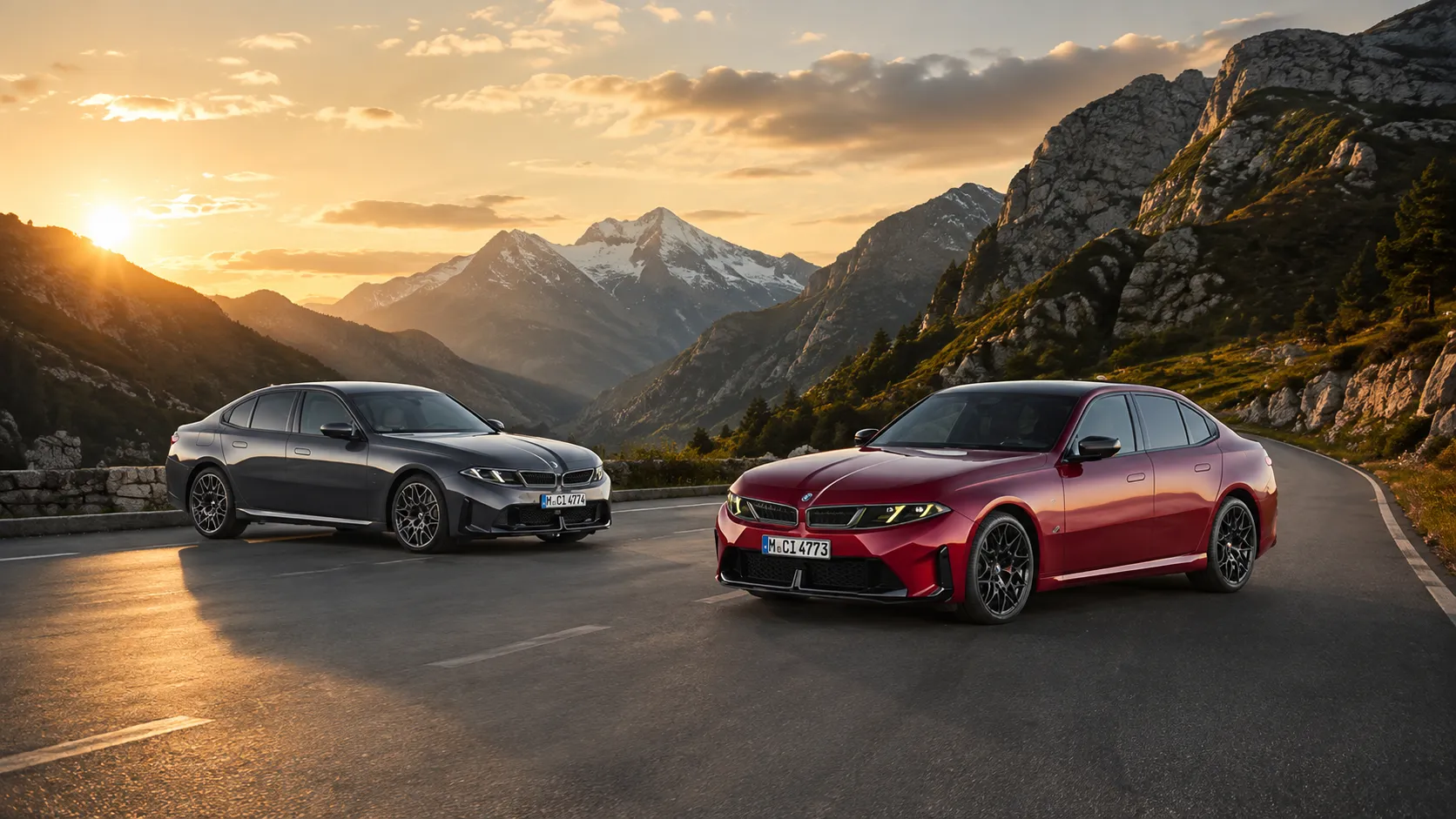
BMW is preparing a major change for the 3 Series, one of the brand’s most recognisable nameplates. The latest-generation model is expected to move away from the familiar design language associated with the current 3 Series, bringing a more distinctive exterior and a stronger connection to BMW’s next-generation vehicles.
The 3 Series has traditionally followed a relatively evolutionary design approach. However, BMW’s newer products suggest that the company is now willing to take greater risks with styling. The upcoming 3 Series appears to be part of this broader transformation, with design elements that could make it look considerably different from the sedan buyers know today.
A major design departure
The new 3 Series is expected to feature a cleaner front-end treatment, redesigned lighting elements and a more sculpted body. BMW’s latest concepts and Neue Klasse-inspired models have already previewed some of the styling themes that could influence future production cars.
The front fascia is likely to receive slimmer headlights and a redesigned interpretation of BMW’s signature kidney grille. Rather than simply enlarging the traditional grille, BMW appears to be exploring a more integrated design that works with the lighting and overall body shape.
The side profile could also become more streamlined, while the rear is expected to feature slimmer tail-lamps and a simpler design. These changes would give the sedan a more modern appearance without completely abandoning the proportions that define a BMW sports sedan.
Neue Klasse influence
A key reason for the dramatic change is BMW’s Neue Klasse design and technology strategy. The company has been using the Neue Klasse platform and related design language as the foundation for a new generation of electric and combustion-engine vehicles.
The next 3 Series is expected to benefit from this transition. BMW is also working towards greater integration between its electric and combustion-powered models, meaning the visual differences between different powertrain versions could become less pronounced.
Inside, the upcoming sedan is also expected to receive a more technology-focused cabin. BMW’s next-generation interface, larger displays and simplified dashboard layout could replace the more traditional cockpit arrangement currently found in the 3 Series.
What this means for the 3 Series
Despite the major styling changes, BMW is unlikely to abandon the core characteristics associated with the 3 Series. Driving dynamics, rear-wheel-drive-based architecture and a balance between performance and everyday usability are expected to remain important parts of the package.
The new design, however, could make the 3 Series stand out more strongly in a segment that is increasingly shifting towards electrification and digital technology.
BMW is expected to reveal more details about the next-generation 3 Series as development progresses. For buyers familiar with the current sedan, the biggest change may ultimately be visual: the new model could represent one of the most significant design departures in the history of the 3 Series.
Also Read :- Jetour T2 Facelift Revealed, India May Get Pre-Facelift SUV