
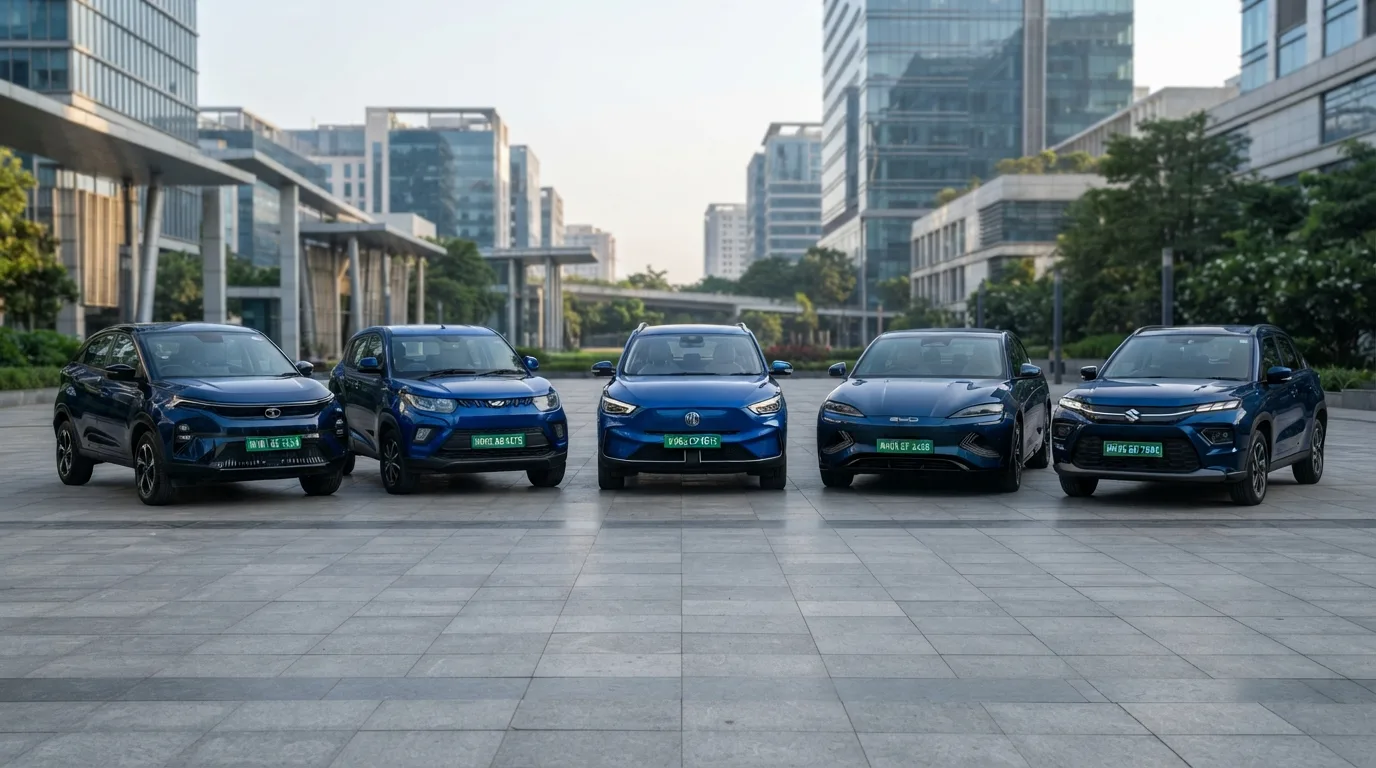
June 2026 turned out to be another solid month for India’s electric car market. Buyers are no longer just curious about EVs; they’re actually signing the cheque. Between better charging networks popping up in tier-2 cities, fresh model launches, and a general sense that petrol prices aren’t going down anytime soon, the shift is starting to feel real rather than just talked about.
If you’ve been tracking the Indian EV market, June gave a fairly clear picture of where each brand stands. Tata Motors is still out in front, Mahindra is closing the gap faster than most expected, MG is holding its ground, BYD is quietly building a premium following, and Maruti Suzuki is finally stepping onto the field.
Here’s how electric car sales in June 2026 broke down brand by brand.
Brand-Wise Snapshot: June 2026
| Brand | June 2026 Performance | Key Highlights |
|---|---|---|
| Tata Motors | Market Leader | Strong demand for Punch EV, Nexon EV & Curvv EV |
| Mahindra | Strong Growth | BE 6 and XEV 9e driving momentum |
| MG Motor India | Stable Performance | Windsor EV remains the volume driver |
| BYD India | Premium Segment Growth | Seal and Atto 3 hold steady demand |
| Maruti Suzuki | Early-Stage Entry | The Vitara is generating interest ahead of wider rollout |
Tata Motors: Still the One to Beat
Tata isn’t leading by accident. Its lineup covers almost every price point a buyer could want, and that breadth is exactly why it keeps winning. The Punch EV continues to be the volume puller. It’s affordable, easy to live with in city traffic, and doesn’t feel stripped-down on features. The Nexon EV and newer Curvv EV add some polish for buyers wanting a bit more range and road presence, while the Tiago EV and Tigor EV keep the entry-level segment covered.
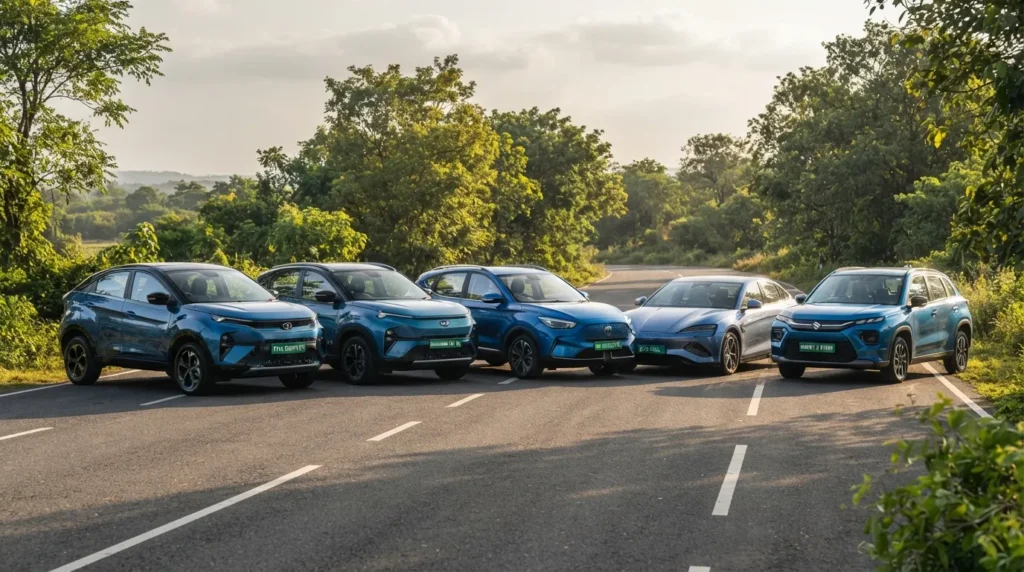
What really works in Tata’s favour, though, is infrastructure. A wide dealer network and a growing number of fast chargers mean fewer awkward conversations about range anxiety, which, for a first-time EV buyer, matters just as much as the price tag.
Mahindra Is Closing the Gap
Mahindra had a genuinely strong month, and it’s not hard to see why. The BE 6 and XEV 9e aren’t just “EV versions” of existing cars — they’re built as proper new-generation electric SUVs, with long range, sharp interiors, and driver-assist features that were rare in this price bracket even a year or two back. Buyers upgrading from a petrol SUV are finding these genuinely comparable, sometimes better, in terms of features. That’s a big part of why Mahindra’s numbers jumped the way they did this month.
MG Motor India Keeps It Steady
MG isn’t chasing headlines, but the Windsor EV keeps doing its job quietly. It’s positioned well for families, spacious, comfortable on longer drives, and priced sensibly enough that it doesn’t feel like a stretch purchase. As MG localises more components, pricing has stayed competitive, which is likely why the Windsor EV hasn’t lost steam despite newer rivals entering the space.
BYD Builds Its Premium Base
BYD’s game is different; it’s not trying to out-volume Tata or Mahindra. The Seal sedan and Atto 3 SUV are aimed at buyers who want more range, a more premium cabin, and battery tech they can brag about. BYD’s Blade Battery is still the brand’s strongest talking point, offering better safety margins and durability than a lot of competitors can claim. The numbers are smaller, sure, but the segment BYD plays in is smaller too, and it’s holding its share well.
Maruti Suzuki: Early Days, Big Ambitions
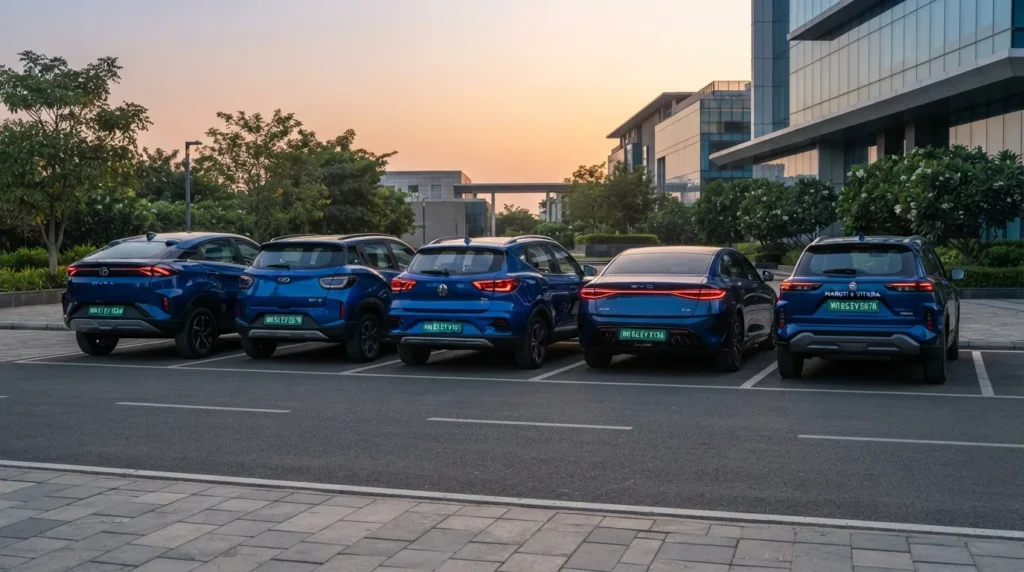
Maruti’s EV story is really just getting started. The e-Vitara hasn’t hit full-scale sales yet, so June’s numbers look modest next to the established players, but that’s expected at this stage, not a red flag. What Maruti brings to the table is something no rival can fully match: India’s largest dealer and service network, and a level of brand trust built over decades. Once deliveries scale up, it’s reasonable to expect Maruti to move quickly up this list.
What’s Pushing EV Sales Right Now
A few things are consistently showing up as reasons buyers give for going electric this year: better access to fast charging, rising fuel costs, easier financing options, and simply longer, more reliable driving ranges than what was available two or three years ago. None of these are dramatic on their own, but together they’ve clearly tipped a lot of undecided buyers toward EVs.
Looking Ahead
The rest of 2026 should bring even more competition, with several manufacturers lining up new SUVs and crossovers. For buyers, that mostly means more choice, better pricing pressure, and continued improvement in range and charging convenience, which is exactly the direction the market needed to grow in.