
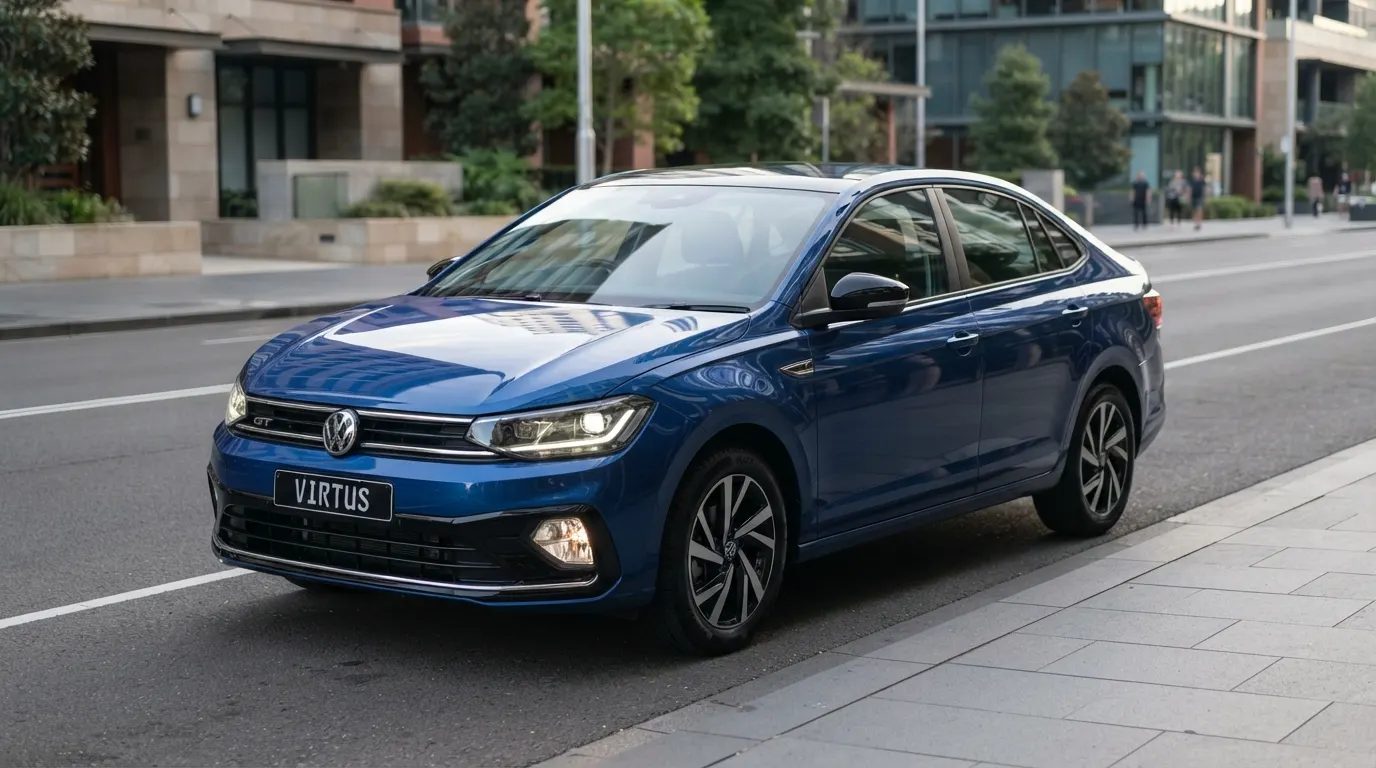
If you’ve been shortlisting sedans lately, chances are the used Volkswagen Virtus has come up more than once. It’s easily one of the most talked-about pre-owned sedans in India right now, and for good reason: solid German engineering, punchy turbo-petrol engines, a comfortable ride, and a 5-star Global NCAP safety rating. But buying any used car is as much about picking the right variant as it is about the brand itself, so before you hand over your money, here’s a proper Volkswagen Virtus buying guide covering variants, mileage, and the issues you should actually watch out for.
Why the Virtus Is Worth Considering
Launched in 2022 as the successor to the Vento, the Virtus shares its platform with the Skoda Slavia, which explains why it feels a class above most cars in this price bracket. You get a genuinely spacious cabin, a generous 521-litre boot, and driving dynamics that most rivals simply can’t match. Under the hood, buyers get two turbo-petrol options:
| Engine | Power | Transmission |
|---|---|---|
| 1.0L TSI Turbo Petrol | 115 PS | 6-speed Manual / 6-speed Automatic |
| 1.5L TSI Turbo Petrol | 150 PS | 7-speed DSG Automatic |
Both engines are refined, but they suit different kinds of buyers. One leans toward everyday practicality, the other toward outright performance.
Which Variant Should You Actually Buy?
For most buyers: Highline 1.0 TSI. This is the sweet spot in the used Virtus lineup. It gives you nearly all the equipment you’d want: a 10-inch touchscreen, wireless Android Auto and Apple CarPlay, a rear camera, cruise control, automatic climate control, LED headlamps, alloy wheels, and a strong set of safety features, including multiple airbags and ESC, without the running costs that come with the top-spec GT models.
For enthusiasts: GT Plus 1.5 TSI DSG. If you want a sedan that genuinely feels quick, this is arguably one of the most engaging cars you can buy under ₹20 lakh right now. The 150 PS engine paired with the DSG gearbox makes overtaking and highway cruising effortless. The catch is that maintenance and part costs run higher, so only buy one with a documented, complete service history.
Real-World Mileage
Mileage naturally varies depending on how the car is driven, but here’s a realistic range to expect:
| Variant | City Mileage | Highway Mileage |
|---|---|---|
| 1.0 TSI Manual | 12–15 km/l | 17–20 km/l |
| 1.0 TSI Automatic | 11–14 km/l | 16–19 km/l |
| 1.5 TSI DSG | 10–13 km/l | 16–19 km/l |
The 1.5 TSI’s Active Cylinder Technology helps a little on the highway during relaxed cruising, though city mileage remains its weaker point.
Common Problems Worth Checking
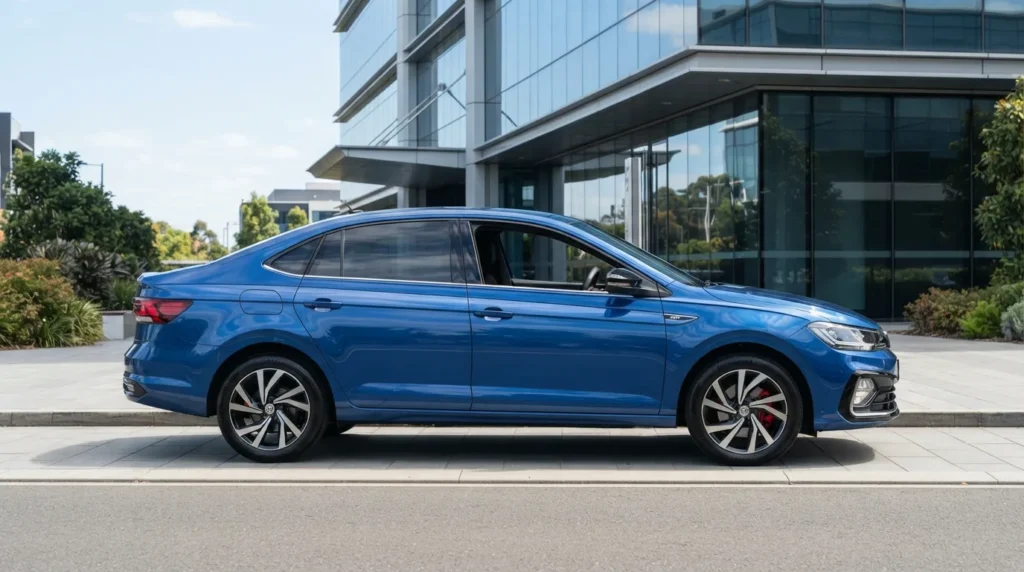
No car is perfect, and the Virtus has a few known quirks that used-car buyers should inspect before signing off on a purchase.
AC cooling performance. Early units were criticised for underwhelming cabin cooling. Volkswagen addressed this through a service update, so ask the seller whether all recall or service campaigns were completed, and test the AC properly in hot weather during your inspection.
Interior rattles. A few owners have reported minor rattles from the dashboard, door panels, and centre console. Take the car over a rough patch of road during your test drive and listen carefully. This is one of the easiest checks to skip and one of the most annoying issues to live with later.
DSG gearbox health (1.5 TSI cars). The 7-speed DSG is smooth when healthy, but can be costly to repair if neglected. Watch for jerky shifts, delayed engagement, warning lights, or vibration under acceleration. A full service history isn’t optional here; it’s essential.
Suspension, tyres, and alignment. Check for uneven tyre wear, unusual suspension noises, and steering pull, all of which can point to poor maintenance or hidden accident damage.
Accident or flood history. Always cross-check service records, insurance claim history, chassis and engine numbers, panel gaps, and paint consistency. A professional pre-purchase inspection is a small cost compared to the risk of buying a poorly repaired car.
What Maintenance Will Cost You
Volkswagen servicing runs slightly higher than mass-market brands, but it’s noticeably more reasonable than older VW models. Expect annual servicing to fall somewhere between ₹8,000 and ₹15,000, more if brakes, tyres, or other wear items need replacing. If the car is still under Volkswagen’s extended warranty, that’s a genuine bonus worth paying a little extra for.
Expected Used Prices in 2026
| Model Year | Expected Price |
|---|---|
| 2022 | ₹8.5–10.5 lakh |
| 2023 | ₹10–12 lakh |
| 2024 | ₹11.5–14 lakh |
| GT 1.5 DSG | ₹13–16 lakh |
Actual prices will shift depending on the city, condition, and how well the car has been maintained.
Should You Buy One?
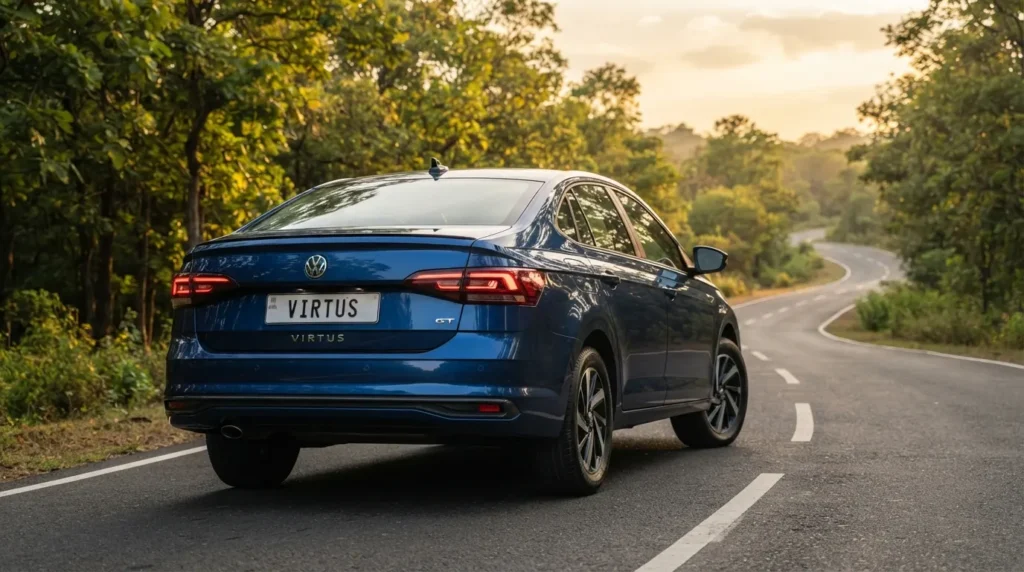
If you want a premium sedan that genuinely delivers on safety, engine refinement, and everyday comfort, a used Volkswagen Virtus remains one of the smartest picks in this segment for 2026. The Highline 1.0 TSI covers most needs without stretching your budget, while the GT Plus 1.5 DSG rewards those chasing a bit more excitement behind the wheel. Whichever you choose, don’t skip the basics: check the AC, listen for rattles, verify the service history, and get the transmission tested if you’re eyeing a DSG variant. Do that, and a used Virtus can serve you well for years to come.