
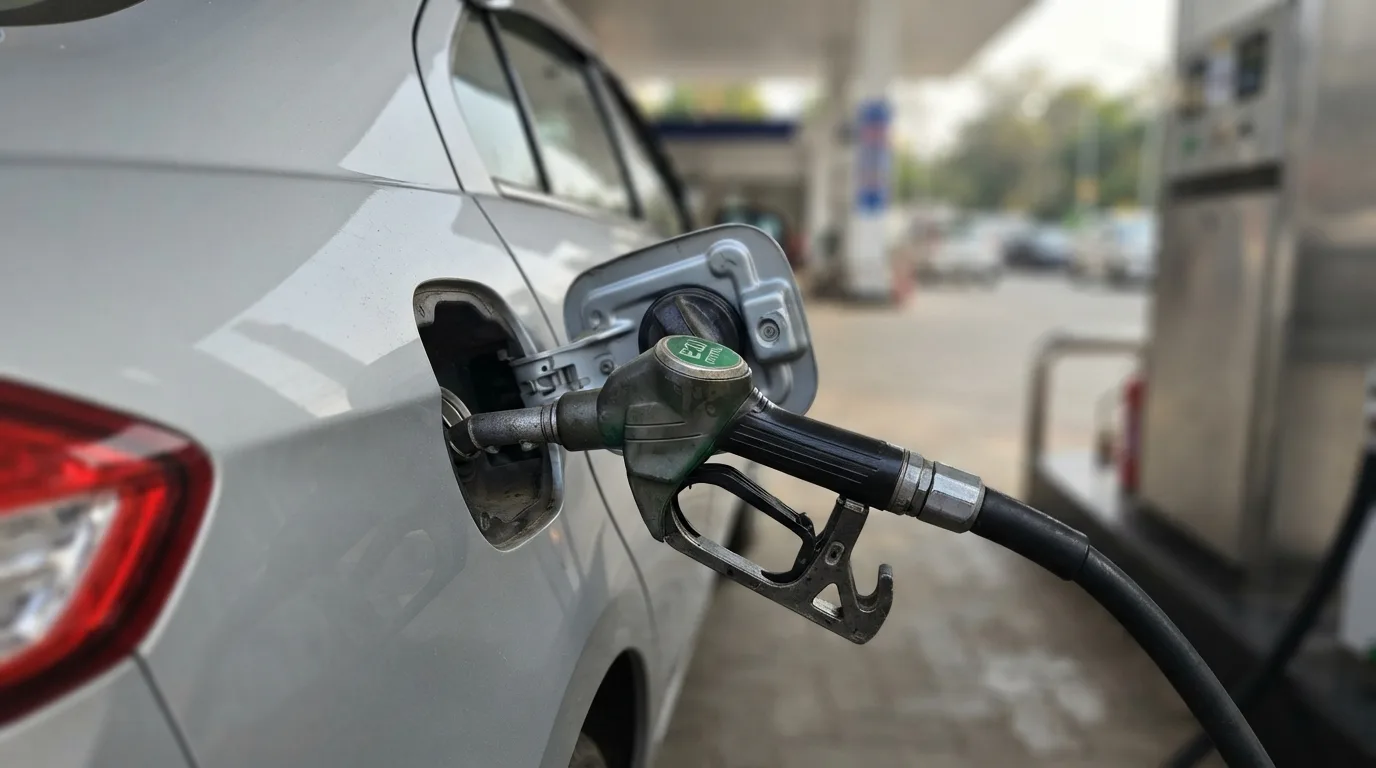
If you’ve filled up at a petrol pump recently, you’ve probably noticed the “E20” sticker on the nozzle. India’s big ethanol-blending push is well underway, and while it’s great news for fuel imports and emissions, it’s left a lot of owners of older cars scratching their heads about E20 fuel compatibility. Is it safe? Will it hurt the engine? Should you even worry?
Let’s break it down in plain terms.
What Exactly Is E20 Petrol?
E20 is simply regular petrol blended with 20% ethanol, an alcohol-based fuel usually made from sugarcane or maize.
| Fuel Component | Share |
|---|---|
| Petrol | 80% |
| Ethanol | 20% |
The idea behind it is that solid ethanol is renewable, it’s produced locally, and it cuts down India’s dependence on imported crude oil. That’s why the government has been rolling it out at fuel stations across the country at a fairly aggressive pace.
So Why Are Older Car Owners Nervous?
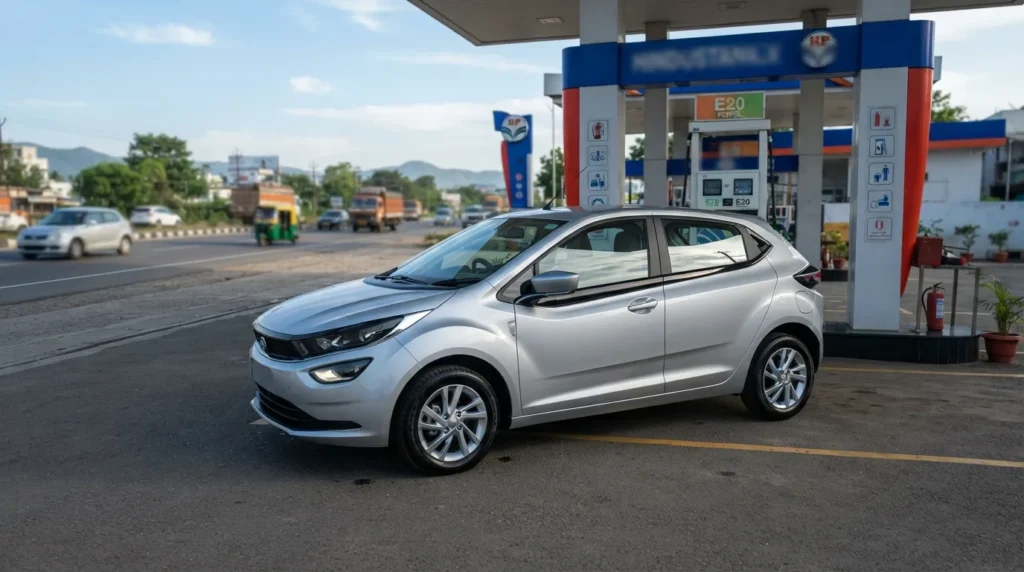
Here’s the real issue: cars built before manufacturers started engineering for higher ethanol blends were only rated for E5 or E10 fuel. Nobody designed their rubber hoses, seals, or fuel pumps with 20% ethanol in mind, so naturally, people are asking whether pushing that fuel through an older system is a good idea.
The parts owners worry about most include:
- Rubber fuel hoses and seals
- Fuel pump internals
- Fuel injectors
- Metal components inside the fuel tank and lines
None of this means your car is going to break down tomorrow. But sustained use of a fuel your engine wasn’t built for can quietly add wear over time, and that’s the concern.
What Could Actually Happen Over Time
Slightly lower mileage. Ethanol simply carries less energy per litre than pure petrol, so a small dip in fuel efficiency is common after switching. It’s usually not dramatic, but daily drivers may notice it on their commute.
Rubber and seal wear. Ageing rubber components weren’t built to handle higher ethanol content, and over the years, this can mean faster degradation, seal damage, and in rare, extreme cases, fuel leaks.
Corrosion from moisture. Ethanol has a habit of attracting moisture. In a car that sits unused for long stretches, that moisture can settle in the fuel system and slowly corrode metal parts.
Cold-start hiccups. This one matters less in India’s climate, but ethanol-heavy fuels can occasionally make cold starts a touch harder in low temperatures.
Is Your Car Actually at Risk?
It depends almost entirely on your specific model, not just its age.
| Vehicle Category | E20 Compatibility |
|---|---|
| Newer models (manufacturer E20-approved) | Generally safe |
| Mid-generation vehicles | Check the owner’s manual |
| Older vehicles | Get manufacturer confirmation first |
Don’t just guess based on your car’s manufacturing year; check your owner’s manual or ask your service centre directly. Manufacturers have been updating fuel-system specs for years, so the real answer depends on your make and model.
What Manufacturers Actually Say
Most brands are pretty clear on this: stick to whatever fuel your manual recommends. If it explicitly lists E20 approval, you’re fine to use it regularly. If it only mentions E10, or says nothing about ethanol blends at all, it’s worth talking to an authorised dealer before you make E20 petrol your default fuel, especially since running an unapproved fuel could also affect warranty claims.
Will E20 Actually Damage Your Engine?
There’s no clean yes-or-no here. A one-off fill-up of E20 in a non-approved car is very unlikely to cause any real damage. The risk comes from continuous, long-term use in a vehicle that was never built or certified for it, that’s where fuel-system wear can gradually add up.
How much it actually affects you depends on:
- How old is your car and its fuel system
- The materials used in your engine’s fuel lines and seals
- How well the car has been maintained overall
- Whether the manufacturer has certified E20 use for your model
Practical Tips If You Own an Older Car
- Check your owner’s manual for the fuel type it actually supports.
- Confirm E20 approval with your authorised service centre before switching full-time.
- Get your fuel system serviced at the recommended intervals.
- Replace worn rubber hoses and seals proactively; don’t wait for a leak.
- Avoid letting the car sit for long periods with fuel still in the tank.
- Keep an eye on mileage and performance in the weeks after switching to E20.
Wrapping It Up
E20 petrol is a meaningful step for India’s energy goals, cutting crude oil imports and lowering emissions at scale. But that doesn’t mean every car on the road is ready for it. If you’re driving a newer, E20-certified vehicle, there’s little to worry about. If your car is older, the smartest move is to check with your manufacturer rather than assume it’ll be fine. A five-minute conversation with your dealer could save you a costly repair bill down the line.
Staying informed and keeping your fuel system well-maintained is really the difference between a smooth transition to E20 and an expensive surprise.