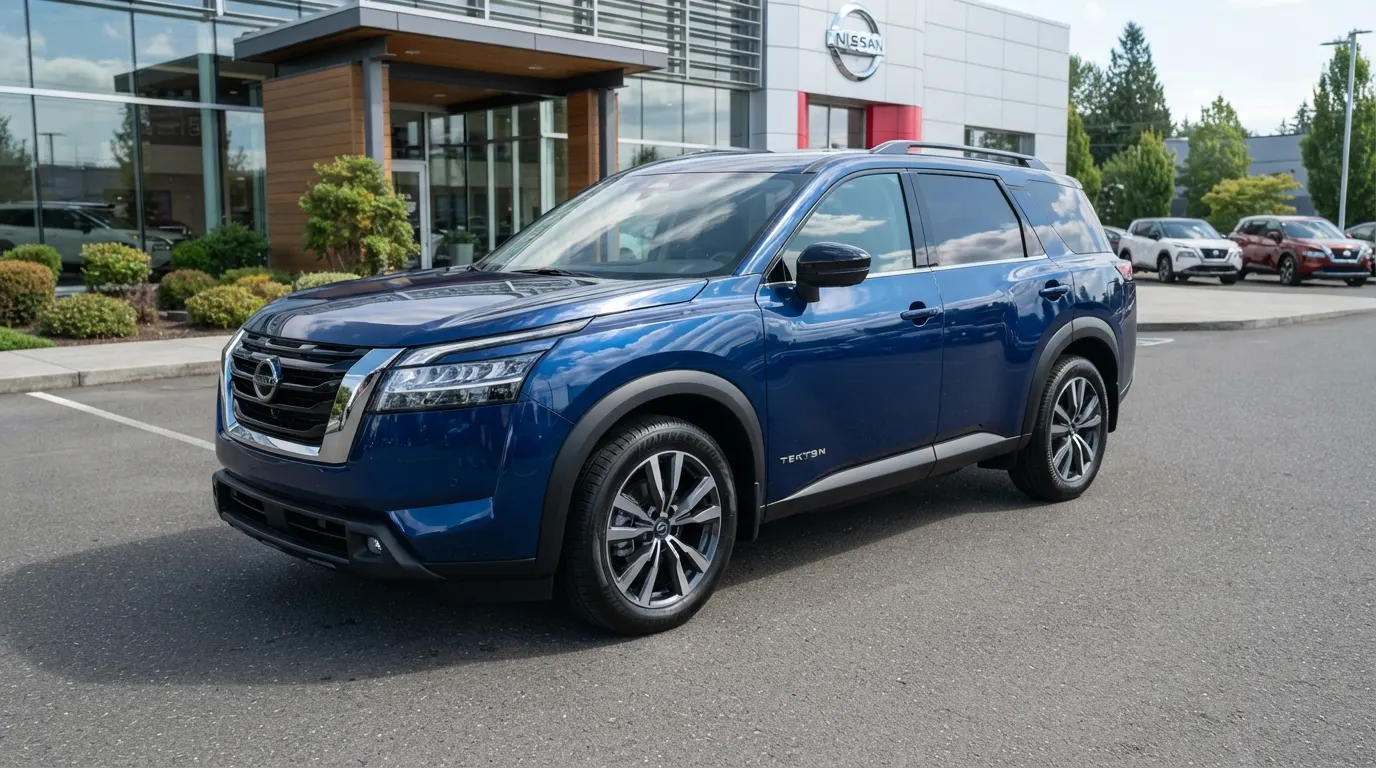
Nissan finally has a proper answer to the Creta-Seltos crowd, and it’s called the Tekton. Launched on July 9, 2026, at a starting price of ₹10.49 lakh (ex-showroom), the Tekton has quickly become one of the most-discussed SUVs of the year. It’s essentially a rebadged Renault Duster underneath, but Nissan has given it a bolder, boxier face inspired by the legendary Patrol enough that the company is unofficially calling it the “Baby Patrol.”
With prices stretching all the way to ₹18.59 lakh for the top-spec Tekna+, the real question buyers are asking is simple: how different is the fully loaded Tekton from the entry-level one, and is the extra money worth it? Here’s an honest, detailed Nissan Tekton variants comparison to help you decide.
Nissan Tekton Price and Variant Line-up
The Tekton is sold in six trims: Visia, Visia+, Acenta, N-Connecta, Tekna, and Tekna+, spread across two turbo-petrol engines. The Nissan Tekton price starts at ₹10.49 lakh for the base Visia and tops out at ₹18.59 lakh for the range-topping Tekna+ with the automatic gearbox.
| Feature | Base Variant (Visia 160 MT) | Fully Loaded Variant (Tekna+ 280) |
|---|---|---|
| Price | ₹10.49 lakh | ₹18.59 lakh |
| Engine | 1.0L turbo-petrol, 100PS/166Nm | 1.3L turbo-petrol, 163PS/280Nm |
| Transmission | 6-speed manual only | 6-speed manual or 6-speed DCT |
| Infotainment | Smaller touchscreen | 10.1-inch Tek-Link HD with Google built-in |
| Instrument Cluster | Analogue/semi-digital | 10.25-inch fully digital cluster |
| Upholstery | Fabric seats | Leatherette, 6-way powered ventilated front seats |
| Climate Control | Manual AC | Dual-zone automatic climate control + air purifier |
| Sunroof | Not offered | Panoramic sunroof |
| Convenience | Basic power windows, central locking | Wireless charging, powered tailgate, ambient lighting |
| Safety | 5-star BNCAP structure, essential safety kit | Adds 360-degree camera and higher-spec safety tech |
What Changes on the Outside
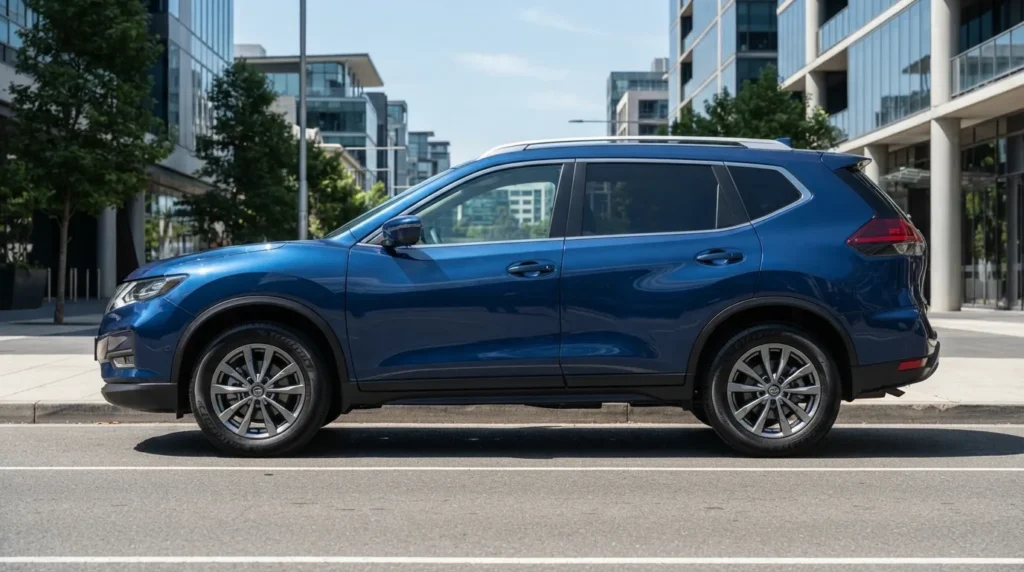
Both versions share the same tall, upright SUV stance and the Patrol-inspired grille with its twin chrome slats and C-shaped LED lighting, so the Tekton never looks “cheap” even in base trim. Step up the range, though, and you get 18-inch dual-tone alloy wheels, a roof-mounted spoiler, flared wheel arches with a silver trim insert, and a body-coloured tailgate instead of a plain finish. These aren’t essential changes, but they do make the top variant look noticeably more premium in person.
Where the Cabin Really Sets Them Apart
This is where the price difference starts to make sense. The base Visia gets you into an SUV with genuine road presence, but the cabin stays functional with fabric seats, a smaller touchscreen, and the essentials needed for daily commuting. Move to the Tekna+ and the cabin transforms: leatherette seats that are ventilated and powered, a 10.1-inch Google-built infotainment display, a fully digital 10.25-inch instrument cluster, wireless Android Auto/Apple CarPlay, wireless phone charging, ambient lighting, rear AC vents, and a 6-speaker Arkamys sound system. For anyone who spends real time behind the wheel, this upgrade is the difference between a functional car and one that feels genuinely premium.
Engine and Performance: Not Just a Trim Story
Unlike many rivals, where the base and top variants share an identical engine, Nissan has split the Tekton by powertrain too. The Visia and Visia+ get the smaller 1.0-litre turbo-petrol (100PS/166Nm, manual only), while the N-Connecta trim onward is offered with the punchier 1.3-litre turbo-petrol (163PS/280Nm) with a choice of manual or DCT automatic. So going fully loaded doesn’t just buy you features, it also buys you meaningfully stronger performance and the convenience of an automatic gearbox, something the original comparison overlooked.
Safety Across the Range
Every Tekton variant has been rated five stars in Bharat NCAP crash tests, so safety fundamentals don’t disappear on the cheaper trims, a genuine positive for budget-conscious buyers. Higher trims add extra convenience-linked safety tech such as a 360-degree camera, giving nervous drivers more confidence in tight city parking.
Which One Should You Buy?
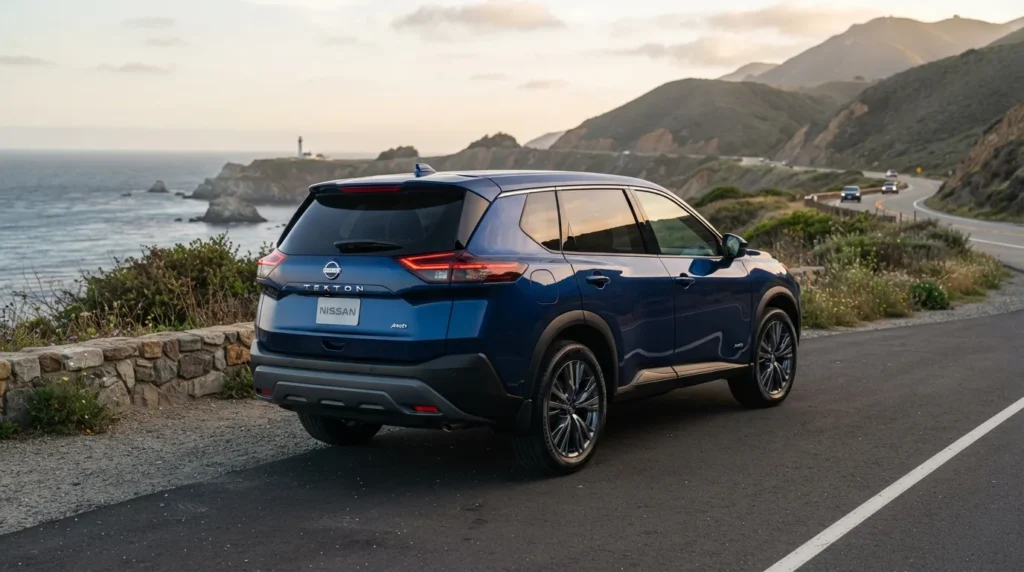
Go for the base Visia if you want the lowest on-road price, drive mostly within the city, and don’t mind a simpler cabin. Choose the fully loaded Tekna+ if you want stronger performance, an automatic gearbox, a genuinely premium interior, and features you’ll actually use every day, especially if you plan to keep the car for the long haul.
Should You Buy It?
The Nissan Tekton’s aggressive ₹10.49 lakh starting price makes it a serious contender against the Creta, Seltos, and Duster. But this comparison shows the gap between base and top variant isn’t just cosmetic; it spans engine output, transmission choice, and cabin quality. If your budget allows it, the fully loaded Tekton is a meaningfully better SUV, not just a better-equipped one.