India’s hybrid car buyers took a bit of a breather in June 2026. After months of steady momentum, hybrid car sales in India in June 2026 data show a clear dip compared to May, with dispatches sliding by roughly 8% month-on-month. It’s not a dramatic crash, but anyone tracking the space closely will notice the shift, especially with EVs pulling harder on buyer attention and a few popular models running into waitlists.
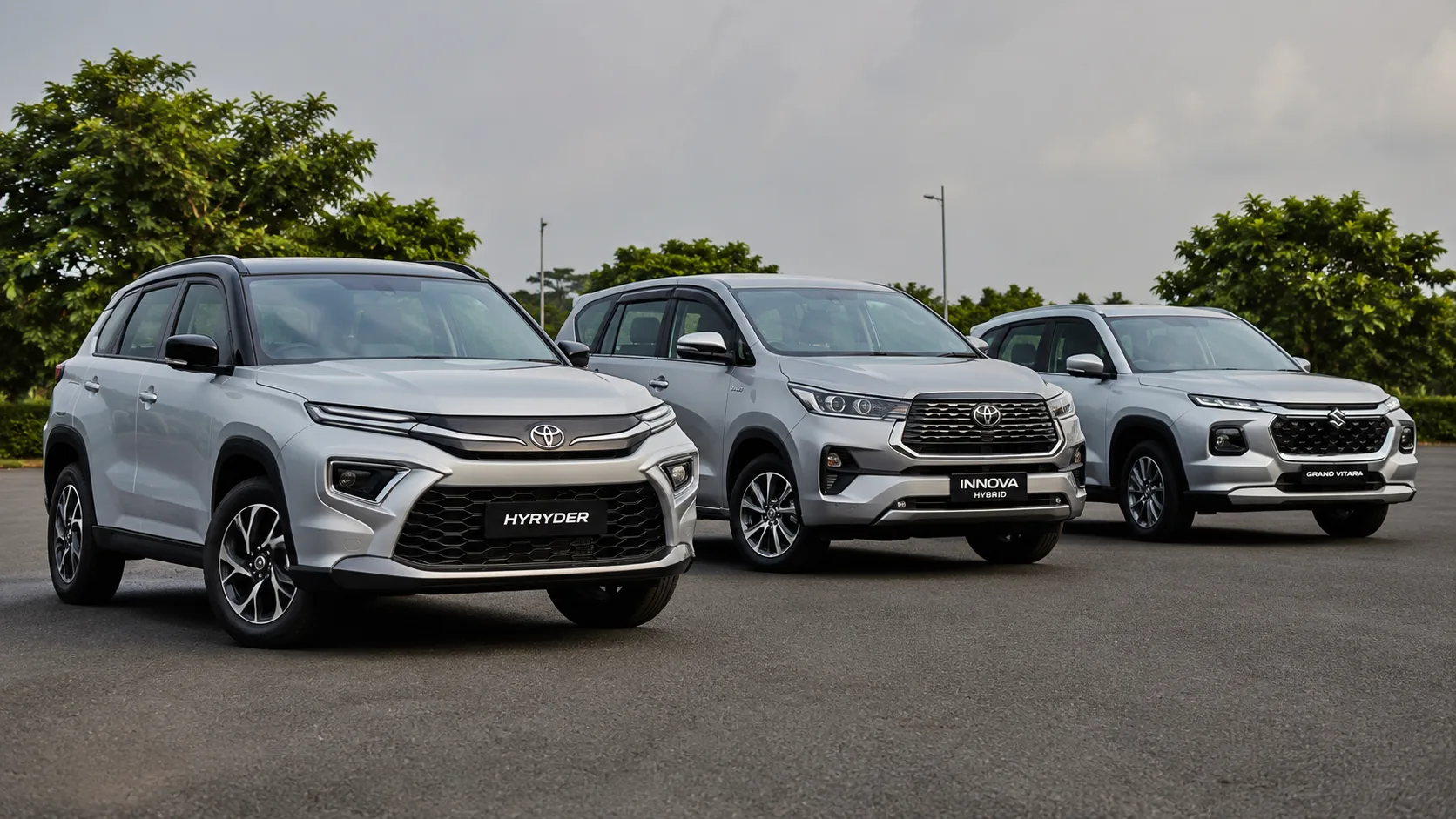
Even with the slowdown, one thing hasn’t changed: Toyota is still the brand to beat. The Urban Cruiser Hyryder held on to the top spot, and Toyota Hyryder hybrid sales numbers alone tell you why the company isn’t worried about a single soft month. Maruti Suzuki, meanwhile, kept building on its hybrid lineup, quietly picking up ground model by model.
June 2026 Hybrid Car Sales — Vehicle-Wise Breakdown
| Rank | Vehicle | June 2026 Sales (Units) | MoM Trend |
|---|---|---|---|
| 1 | Toyota Urban Cruiser Hyryder | 2,916 | Slight Decline |
| 2 | Toyota Innova Hycross | 2,638 | Decline |
| 3 | Maruti Suzuki Grand Vitara | 1,334 | Stable |
| 4 | Maruti Suzuki Invicto | 731 | Growth |
| 5 | Toyota Camry | 411 | Slight Decline |
| 6 | Maruti Suzuki Victoris | 410 | Strong Growth |
| 7 | Honda City e | 152 | -12.1% |
| 8 | Toyota Vellfire | 140 | Decline |
There’s a reason the Hyryder keeps topping these charts month after month: it hits a sweet spot that Indian buyers genuinely care about. It’s efficient, it’s comfortable for daily city use, and Toyota’s hybrid tech has a reputation built over years of real-world reliability, not just brochure claims. That kind of trust doesn’t happen overnight, and it’s a big part of why the SUV keeps selling even when overall demand softens a little.
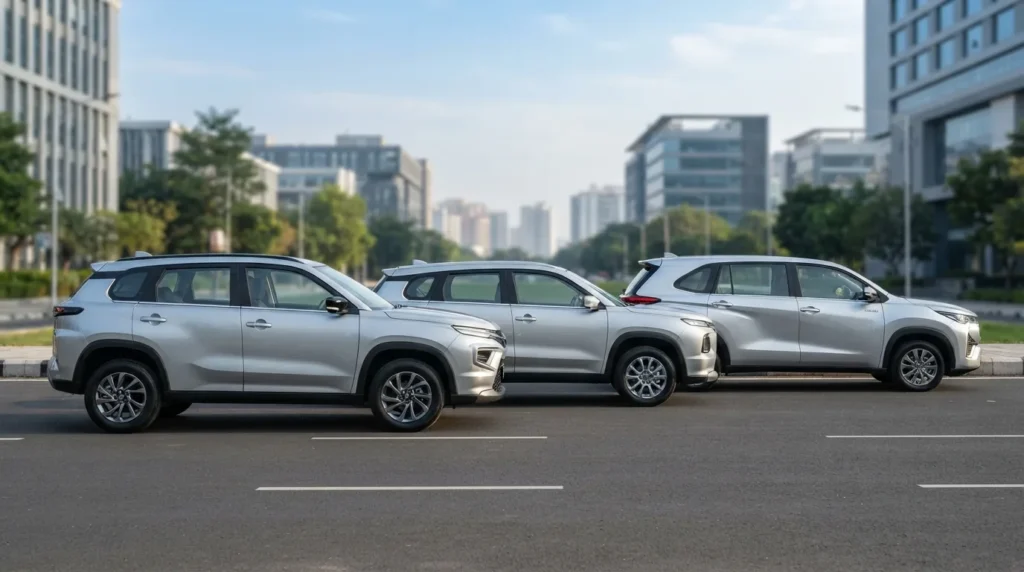
The Innova Hycross tells a similar story. Yes, its numbers dipped this month, but it remains the go-to choice for large families and fleet operators who need space without sacrificing fuel economy. Toyota’s premium models, the Camry and the Vellfire, added smaller but steady numbers to the brand’s overall tally, rounding out a lineup that covers almost every price bracket in the hybrid space.
Maruti Suzuki Is Closing the Gap
Maruti Suzuki isn’t just playing catch-up anymore; it’s actively expanding. The Grand Vitara Strong Hybrid continues to be a strong seller in the midsize SUV bracket, and the Invicto has carved out a solid niche among premium MPV buyers. What really stands out this month, though, is the Victoris. Its overall volume is still modest, but the strong month-on-month growth suggests Maruti is finding its footing with newer hybrid nameplates, not just relying on its established ones.
Honda’s City e Feels the Squeeze
Honda’s hybrid story in India is a much smaller one right now, and June didn’t help. The City e sold 152 units, down from 173 in May, a 12.1% drop. It’s still one of the smoothest hybrid systems available in a sedan body style, but the market’s clear tilt toward SUVs is making life harder for hybrid sedans in general, regardless of how refined they are under the hood.
What’s Actually Behind the June Slowdown?
A few things likely came together here. June often sees a natural dip in showroom footfall once the financial year-end rush and festive booking cycles wind down. At the same time, EVs are becoming a more realistic option for buyers who might have picked a hybrid a year or two ago. Better charging infrastructure in cities is doing some of the convincing. Price is still a factor too: strong hybrids cost noticeably more than their petrol counterparts because of the dual-powertrain hardware, and that gap hasn’t closed much. On top of all that, waiting periods on popular models like the Hyryder and Hycross in certain regions may have simply pushed some deliveries into the following month.
The Bigger Picture Still Looks Good
One soft month doesn’t really change the long-term story for hybrids in India. Buyers still like what hybrids offer: solid real-world mileage, lower emissions than a pure petrol car, no dependency on charging stations, and genuinely comfortable long-distance driving. Industry watchers expect more manufacturers to bring hybrid options to market over the next couple of years as automakers hedge their bets rather than going all-in on EVs alone.
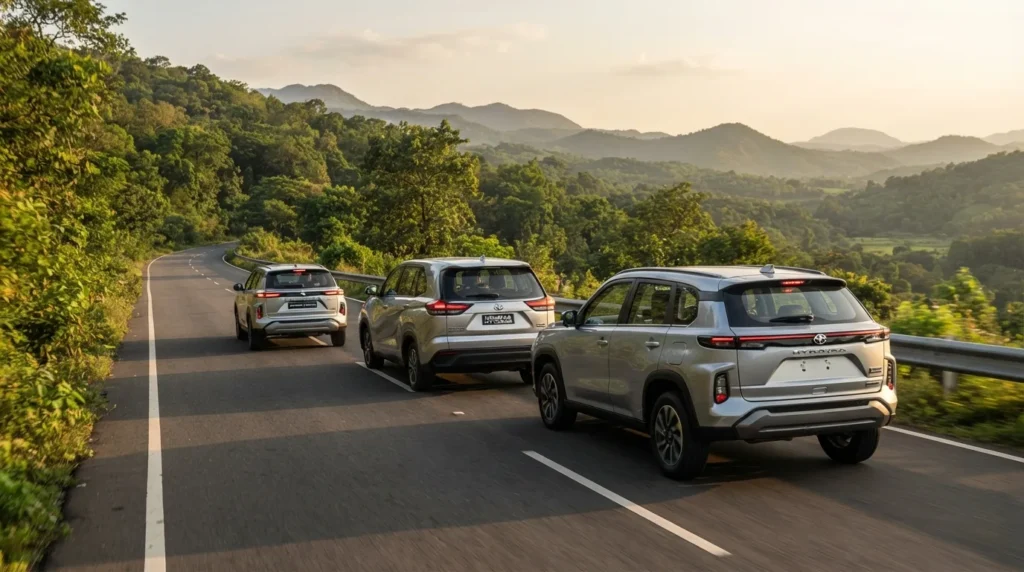
Toyota and Maruti Suzuki look set to keep leading this space for now, but competition is only going to get tighter as more brands roll out their own hybrid SUVs built specifically for Indian roads and driving conditions. How things unfold from here will also depend a lot on government tax policy and fuel prices. If incentives shift in favour of hybrids, this segment could see another strong growth phase fairly quickly.
For now, the 8% dip in June 2026 looks more like a normal pause than a warning sign. Hybrids are still doing exactly what they were meant to do: bridging the gap between traditional petrol cars and a fully electric future, one sale at a time.