
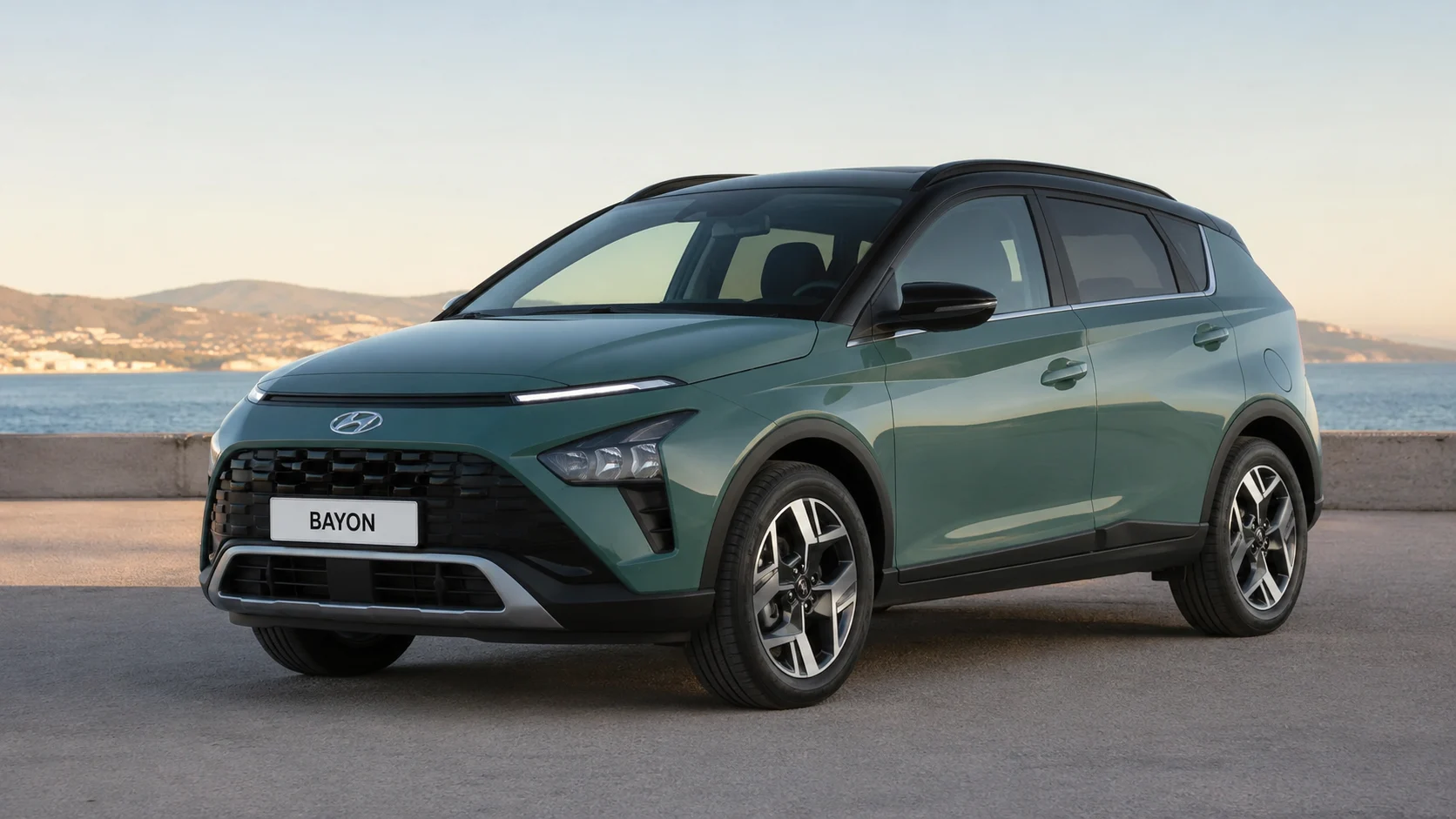
If you’ve been keeping an eye on the Indian SUV market lately, you might have noticed something interesting: Hyundai’s newest compact SUV, the Bayon, has been quietly spotted testing on Indian roads. And honestly, that’s pretty exciting news for anyone looking for a stylish, feature-packed crossover that doesn’t break the bank.
What Is the Hyundai Bayon, and Why Should You Care
The Bayon is already a popular model in Europe, but Hyundai seems to be cooking up something special for India. According to multiple automotive reports, the India-spec Bayon is likely to be positioned between the Venue and the Creta, filling a gap that many buyers have been waiting for. Think of it as that “just right” option for people who want more than the Venue offers but don’t quite need the full Creta package.
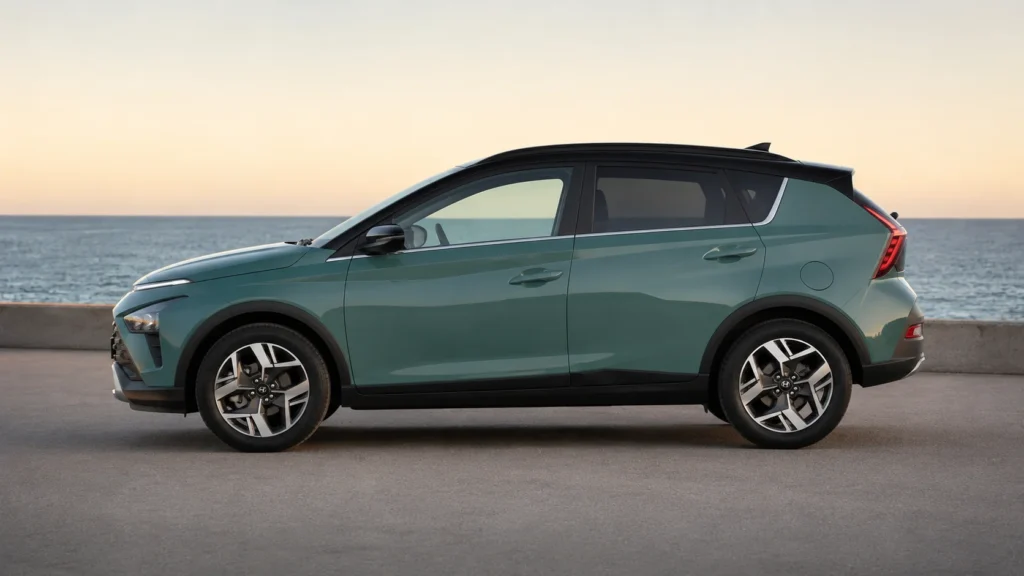
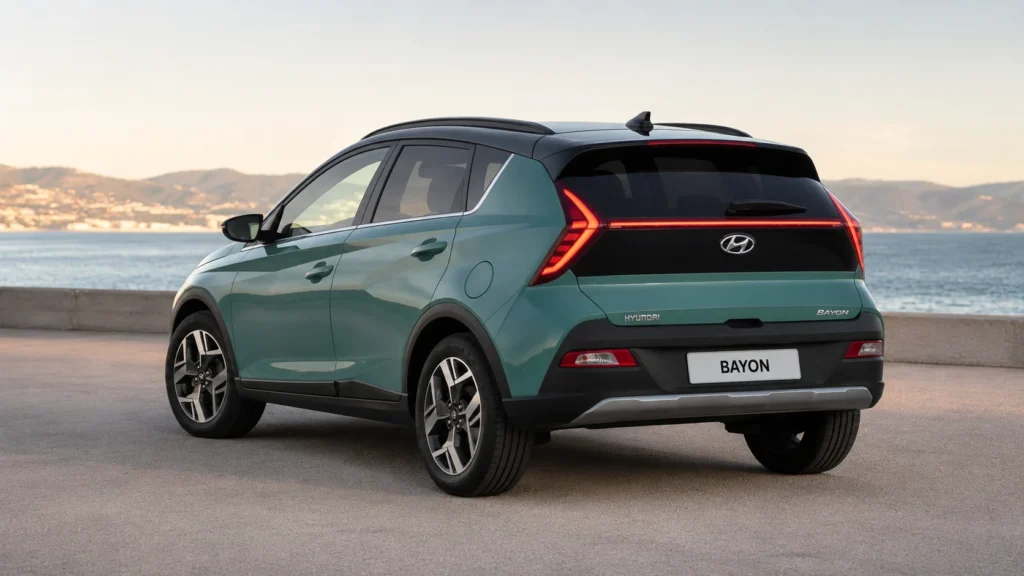
Recent spy shots suggest that Hyundai has reworked the Bayon significantly for India. The India-spec version appears more upright and SUV-like compared to the European model, with a stronger road presence overall. Up front, expect Hyundai’s signature LED lighting, and at the back, connected LED tail lamps are likely to give it that premium, modern look.
Features That Could Make It a Segment Leader
Inside the cabin, Hyundai isn’t expected to hold back. Reports indicate the Bayon could arrive with a large touchscreen infotainment display, a fully digital instrument cluster, wireless Android Auto and Apple CarPlay, and connected car technology.That’s not all; ventilated seats, wireless charging, panoramic display setup, and automatic climate control are also being talked about. If even half of that makes it to the production model, the Bayon will be a seriously loaded package.
On the safety front, Hyundai’s international versions come equipped with SmartSense ADAS technologies,including Forward Collision Avoidance Assist, Lane Following Assist, Blind Spot Collision Warning, and Smart Cruise Control. It’s expected that at least some of these features will carry over to the India model, which would make the Bayon one of the safer options in its price segment.
Engine Options: What’s Under the Hood
Hyundai hasn’t officially confirmed powertrain details for India just yet. However, industry insiders suggest the Bayon could borrow engines from Hyundai’s existing India lineup. The two most likely options are the punchy 1.0-litre turbo-petrol and the more fuel-efficient 1.2-litre naturally aspirated petrol. Both manual and automatic gearbox options are expected to be on the menu.
Expected Price and Launch Timeline
Here’s what most people really want to know: How much will it cost? Early estimates put the Hyundai Bayon India price somewhere between ₹10 lakh and ₹15 lakh (ex-showroom), which would place it squarely in the competitive compact crossover space. As for the launch, most sources are pointing toward the second half of 2026, though Hyundai hasn’t made any official announcement yet.
Who Will It Compete With
The Bayon’s main rivals in India would likely be the Maruti Suzuki Fronx, Toyota Taisor, Nissan Magnite, and Tata Nexon. It’s a tough crowd, no doubt,but if Hyundai manages to combine its premium build quality with competitive pricing and strong ADAS features, the Bayon could easily carve out a solid space for itself.
Should You Wait for It
The Hyundai Bayon SUV India launch is shaping up to be one of the more anticipated automotive events of late 2026. Between its refreshed design, technology-heavy cabin, and expected competitive pricing, it has all the ingredients to become a genuine crowd-pleaser. Keep your eyes on Hyundai’s official channels for a confirmed launch date; things could move quickly once the testing phase wraps up.
Continue Reading: More Automotive News, Reviews & Comparisons