
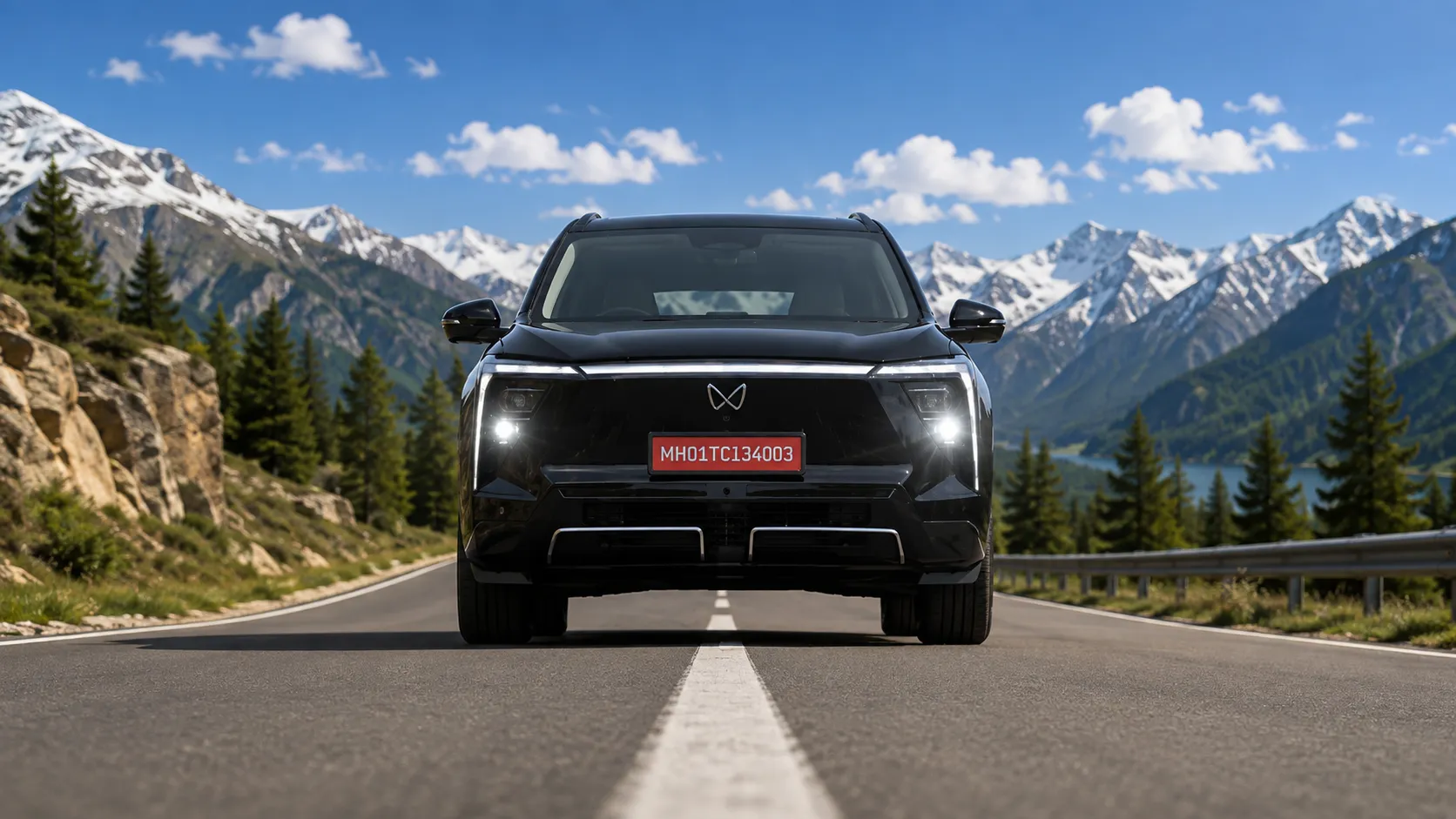
Mahindra has expanded its Battery-as-a-Service (BaaS) programme to the XEV 9S and XEV 9e electric SUVs, giving customers a new way to reduce the upfront cost of buying an EV. The programme separates the cost of the vehicle from the battery, allowing buyers to pay for battery usage through a usage-linked monthly charge.
The move is aimed at making Mahindra’s premium electric SUVs more accessible to customers who may be concerned about the high initial purchase price of an electric vehicle. With battery costs forming a significant portion of an EV’s overall price, the BaaS model can lower the amount buyers need to pay at the time of purchase.
Under the BaaS model, customers effectively purchase the vehicle without paying the full battery cost upfront. Instead, the battery usage is charged separately based on the distance driven. This approach is increasingly being explored in India as manufacturers look for ways to address concerns around EV affordability and battery ownership.
The XEV 9S is Mahindra’s three-row electric SUV, offering a practical option for buyers looking for more cabin space and seating capacity. The XEV 9e, meanwhile, follows a more premium and coupe-inspired design, targeting customers who want an electric SUV with a stronger focus on styling and technology.
Both models are based on Mahindra’s INGLO electric vehicle architecture and are positioned in the premium EV segment. They feature modern interiors, connected technology and advanced driver assistance features, making them among the more technology-focused electric SUVs in Mahindra’s current portfolio.
The expansion of BaaS could make these SUVs particularly interesting for buyers who drive regularly and want to spread their EV ownership costs over time. Instead of paying the entire battery cost upfront, customers can manage part of their running expenses according to usage.
However, buyers should carefully compare the overall cost of ownership before choosing the BaaS option. The monthly or per-kilometre battery charges, financing costs and expected annual running distance can all influence whether the programme offers better value than purchasing the vehicle with the battery included.
Another important factor is the ownership period. Customers who drive higher annual kilometres may see a different cost structure compared with low-mileage users. Therefore, understanding the complete payment structure is important before signing up for the programme.
Mahindra’s decision to extend BaaS to the XEV 9S and XEV 9e also highlights how the company is experimenting with alternative EV ownership models. As electric vehicles become more common in India, reducing the initial purchase barrier could help accelerate adoption, particularly in the premium segment.
For customers considering either SUV, the BaaS programme adds another purchasing option rather than changing the core products themselves. The XEV 9S continues to focus on family practicality and three-row versatility, while the XEV 9e offers a more distinctive design and premium positioning.
With the BaaS programme now available across these Mahindra electric SUVs, buyers will have more flexibility in choosing how they pay for their EV. The success of the model will ultimately depend on how competitive its usage charges are compared with conventional battery-inclusive ownership.
As India’s EV market continues to mature, flexible ownership models such as BaaS could become an increasingly important part of the industry. Mahindra’s latest expansion is another step towards giving electric SUV buyers more choices while addressing one of the biggest barriers to EV adoption: the upfront cost.
Also Read :- Range Rover Sport Twenty Edition Launched in India at Rs. 1.90 Crore