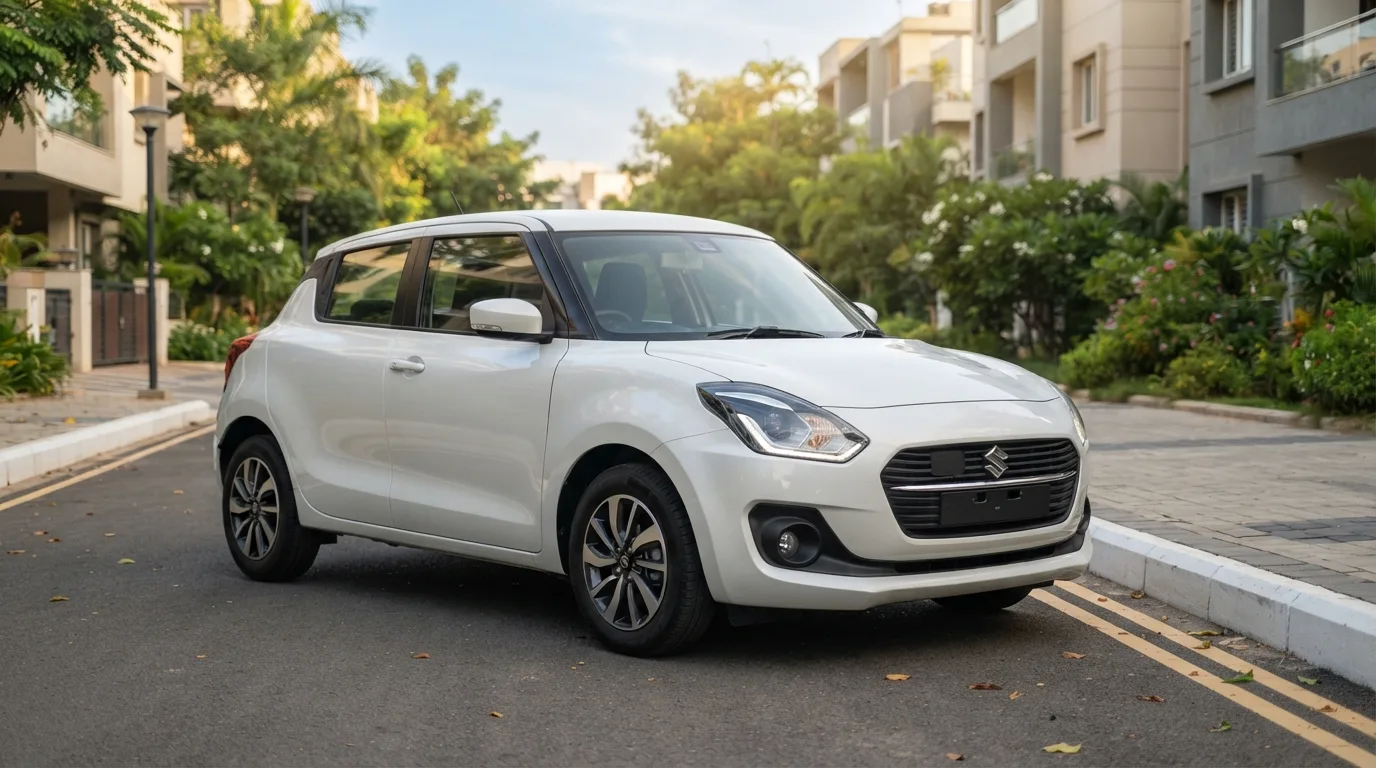
If you have been planning to buy a new Maruti Suzuki car, this is the news you need to read before you finalize your booking. Maruti Suzuki, India’s largest car manufacturer, has announced a fresh Maruti Suzuki price hike in 2026, and this time it will take effect from August 2026. Buyers across the country will see prices go up by as much as ₹30,000, depending on the model and variant they choose. The company has confirmed this through an official filing, and it is already the second such revision this year, which tells us just how much pressure automakers are under right now.
For anyone comparing new cars, understanding what is driving this Maruti car price increase and how it might affect your final on-road price is worth a few minutes of your time.
Why Maruti Suzuki Is Raising Prices Again
According to Maruti Suzuki’s regulatory disclosure, the price revision is not a one-off decision but the result of continued cost pressure that has been building for months. The company pointed to several factors behind the move:
- Rising cost of raw materials used in manufacturing
- Higher logistics and transportation expenses
- General inflationary pressure across the supply chain
- Increased production costs at the factory level
- Cost escalation from component suppliers
Maruti Suzuki has said it tried to absorb a large part of these costs internally through better efficiency and cost control. But with expenses continuing to climb, the company felt it had no choice but to pass on a portion of the burden to customers. Importantly, the automaker has been careful to frame this as a “partial” hike, meaning it is still absorbing some of the cost increase itself rather than shifting the entire amount onto buyers.
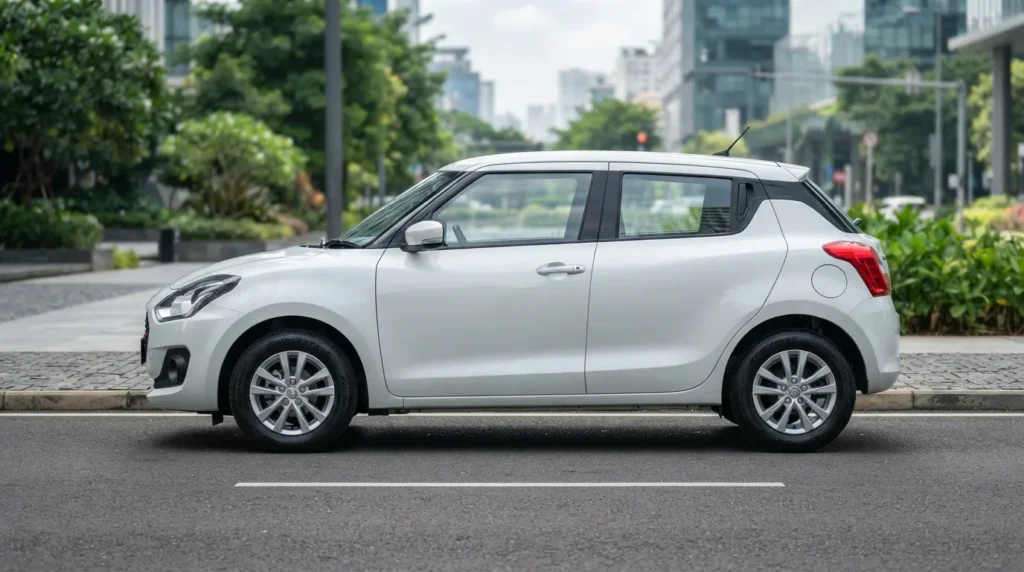
This kind of transparency in the official statement is worth noting, since it gives customers a clearer picture of why the price of their preferred model might change in the coming weeks, rather than leaving them guessing.
Which Models Will Be Affected
Maruti Suzuki has not yet released a model-by-model breakdown of the new prices. What we do know is that the hike will apply broadly across the company’s lineup, covering vehicles sold through both its Arena and Nexa dealership networks.
| Arena Models | Nexa Models |
|---|---|
| Alto K10 | Baleno |
| S-Presso | Fronx |
| WagonR | Grand Vitara |
| Celerio | Jimny |
| Swift | XL6 |
| Dzire | Invicto |
| Brezza | Ignis |
| Ertiga | Ciaz |
| Eeco |
The exact increase will differ from one variant to another, so a base-model hatchback and a top-spec SUV are unlikely to see the same rupee amount added to their price tag. Maruti has indicated that detailed, model-wise pricing will be shared closer to the date the hike actually kicks in.
What This Means for Buyers Right Now
If you complete your purchase before August 2026, you lock in the current ex-showroom price, which can translate into real savings once you factor in registration charges and insurance premiums calculated on that base price. For buyers taking a car loan, even a modest ₹20,000 to ₹30,000 difference in the vehicle’s price can slightly lower the total loan amount and, in turn, the EMI over the loan tenure.
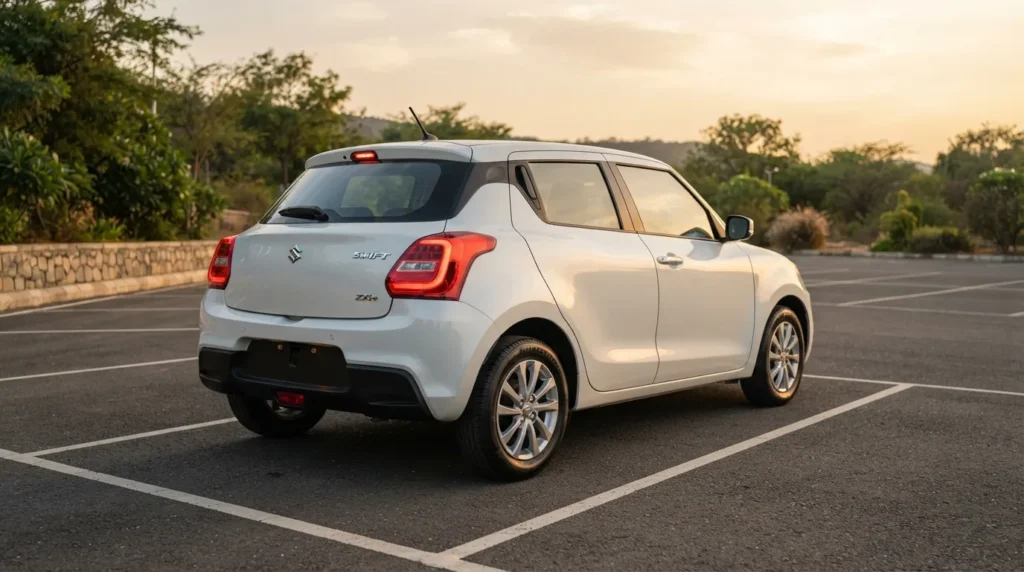
That said, if you already have a booking in place, it is worth checking with your dealership about how price protection works in your case. Some dealers honor the price at the time of booking, others go by the billing date, and some tie it to the delivery schedule. Getting this clarified now can save you from an unpleasant surprise later.
A Broader Trend Across the Auto Industry
Maruti Suzuki is far from alone here. Tata Motors, Hyundai, Kia, Mahindra, and BYD have all raised prices at various points this year, citing very similar reasons: commodity inflation, supply chain costs, and currency fluctuations. This points to an industry-wide cost environment rather than a company-specific issue, which is useful context if you are wondering whether switching brands would help you dodge a price hike altogether. In most cases, it wouldn’t.
Will This Slow Down Demand?
Despite the repeated price increases this year, Maruti Suzuki continues to hold a dominant position in India’s entry-level hatchback and compact SUV segments. Industry watchers expect demand to stay fairly resilient, largely because of the brand’s extensive service network, affordable spare parts, strong resale value, and fuel-efficient engines, factors that matter a great deal to first-time car buyers and budget-conscious households. Still, buyers in the most price-sensitive segments may start comparing options more carefully after two hikes in the same year.
Wrapping Up
The upcoming Maruti Suzuki price hike of up to ₹30,000 from August 2026 is a reminder that rising input costs are still working their way through the automotive industry, and Maruti is passing on only part of that burden to customers. If you are close to finalizing a purchase, completing it before August could help you save a bit of money. If you are still weighing your options, it is worth waiting for the official model-wise price list before making a final call, but the direction is clear: Maruti cars are set to get a little more expensive later this year.