
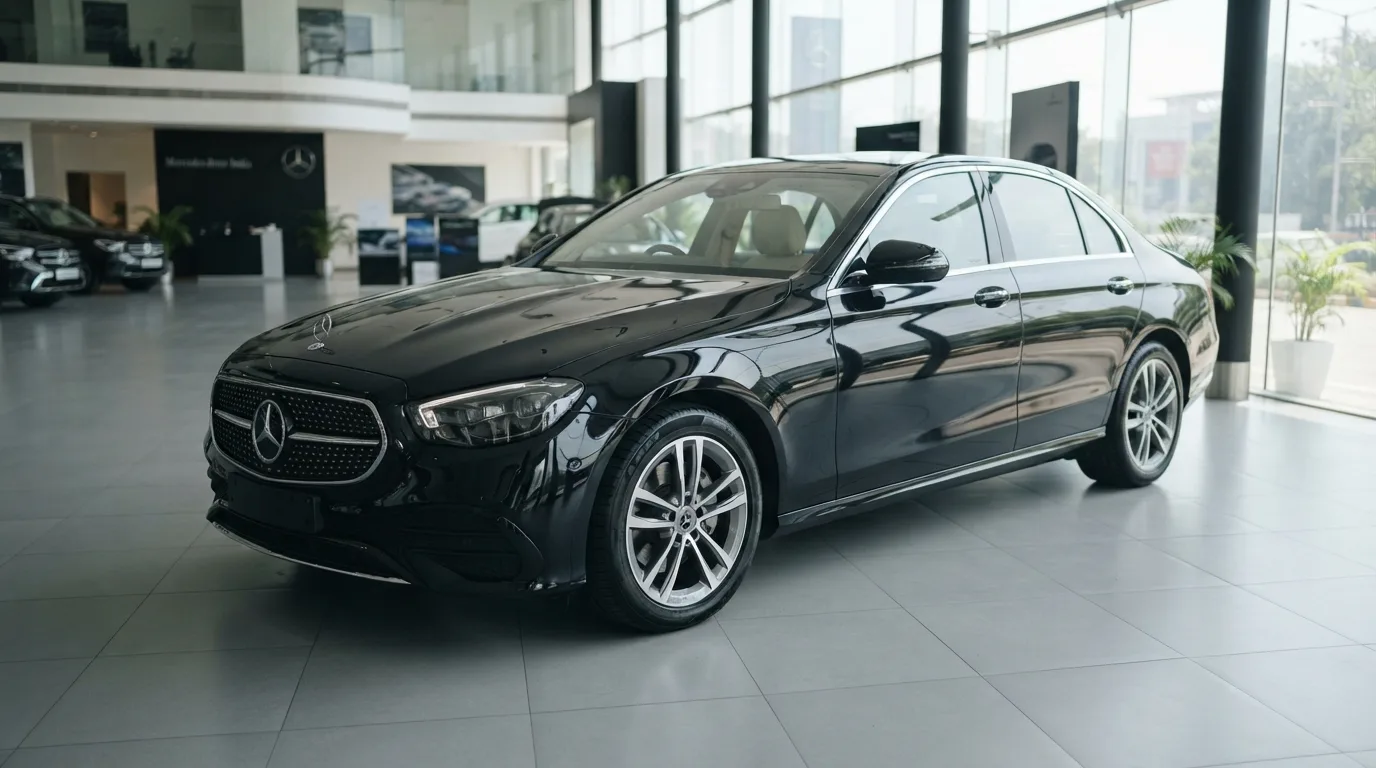
As India continues expanding the use of E20 fuel, many luxury car owners have started wondering whether their vehicles are ready for the new petrol blend. To address these concerns, Mercedes-Benz India has issued an advisory explaining which of its petrol-powered models are fully compatible with E20 fuel and what owners of older vehicles should know before filling up.
The announcement is important because using the wrong type of fuel can affect engine performance and, in some cases, long-term durability. Here’s a detailed look at Mercedes-Benz India’s E20 fuel advisory and the list of compatible models.
What Is E20 Petrol?
E20 petrol is a blend containing 20% ethanol and 80% conventional petrol. The Indian government is promoting ethanol-blended fuel to reduce dependence on imported crude oil, lower carbon emissions, and support domestic ethanol production.
Modern petrol engines are increasingly being designed to handle higher ethanol content, but not every vehicle sold in the past is automatically compatible. Manufacturers have therefore started publishing official compatibility lists for customers.
Mercedes-Benz India Confirms E20-Compatible Models
Mercedes-Benz India has confirmed that all of its petrol-powered vehicles manufactured from January 1, 2023 onwards are fully compatible with E20 petrol.
This means owners of newer Mercedes-Benz petrol models can safely use E20 fuel without requiring any modifications or additional maintenance beyond the regular service schedule.
The company has validated these vehicles for the higher ethanol blend after conducting engineering and durability testing.
Mercedes-Benz Models Compatible With E20 Petrol
The following petrol models sold in India are covered under Mercedes-Benz’s E20 compatibility advisory, provided they were manufactured on or after January 1, 2023.
| Mercedes-Benz Model | E20 Compatible |
|---|---|
| A-Class Limousine | Yes |
| C-Class | Yes |
| E-Class | Yes |
| S-Class | Yes |
| CLA | Yes |
| GLA | Yes |
| GLB | Yes |
| GLC | Yes |
| GLE | Yes |
| GLS | Yes |
| G-Class | Yes |
| AMG Petrol Models | Yes (eligible production period) |
Compatibility depends on the vehicle’s manufacturing date, so owners should verify the production month if their vehicle was purchased during the transition period.
What About Older Mercedes-Benz Cars?
Owners of Mercedes-Benz petrol vehicles manufactured before January 2023 should not assume automatic E20 compatibility.
Some earlier models were engineered primarily for E10 petrol, and prolonged use of E20 fuel may not be recommended unless Mercedes-Benz has specifically approved that model.
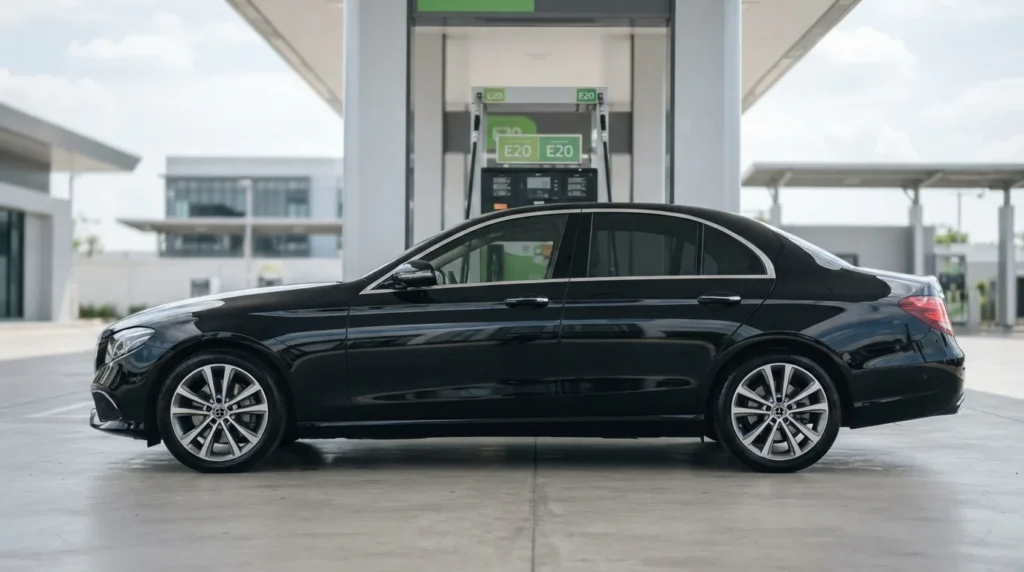
Older fuel systems, seals, hoses, injectors, and engine calibration may not have been designed for prolonged exposure to higher ethanol content.
Customers are advised to:
- Check the owner’s manual.
- Contact an authorised Mercedes-Benz dealership.
- Verify compatibility using the vehicle identification number (VIN).
Following the manufacturer’s recommendation helps avoid unnecessary wear and ensures warranty compliance where applicable.
Why E20 Compatibility Matters
Ethanol behaves differently from conventional petrol. Although it offers environmental benefits, it also has different chemical properties that require compatible engine components.
A vehicle designed for E20 typically features:
- Ethanol-resistant fuel lines and seals
- Compatible fuel injectors
- Updated engine management software
- Revised combustion calibration
- Corrosion-resistant fuel system components
These improvements help maintain reliability, fuel efficiency, and emissions compliance over the vehicle’s lifetime.
Will Performance or Mileage Change?
Mercedes-Benz states that E20-compatible vehicles are engineered to operate safely with the fuel blend.
However, ethanol contains slightly less energy than regular petrol, so drivers may notice a marginal reduction in fuel economy under certain driving conditions. In normal daily use, the difference is usually small and is accounted for during vehicle calibration.
Performance, drivability, and engine reliability should remain unaffected when using E20 fuel in officially approved vehicles.
Benefits of E20 Fuel
The shift to E20 petrol supports several long-term objectives for both consumers and the environment.
Some of the key benefits include:
- Reduced dependence on imported crude oil
- Lower greenhouse gas emissions
- Better utilisation of domestically produced ethanol
- Support for India’s agricultural and biofuel sectors
- Progress towards cleaner mobility goals
As more manufacturers certify their vehicles for E20, fuel availability is expected to become more widespread across the country.
What Should Mercedes-Benz Owners Do?
If you own a Mercedes-Benz petrol vehicle manufactured from January 2023 onwards, you can confidently use E20 petrol wherever it is available.
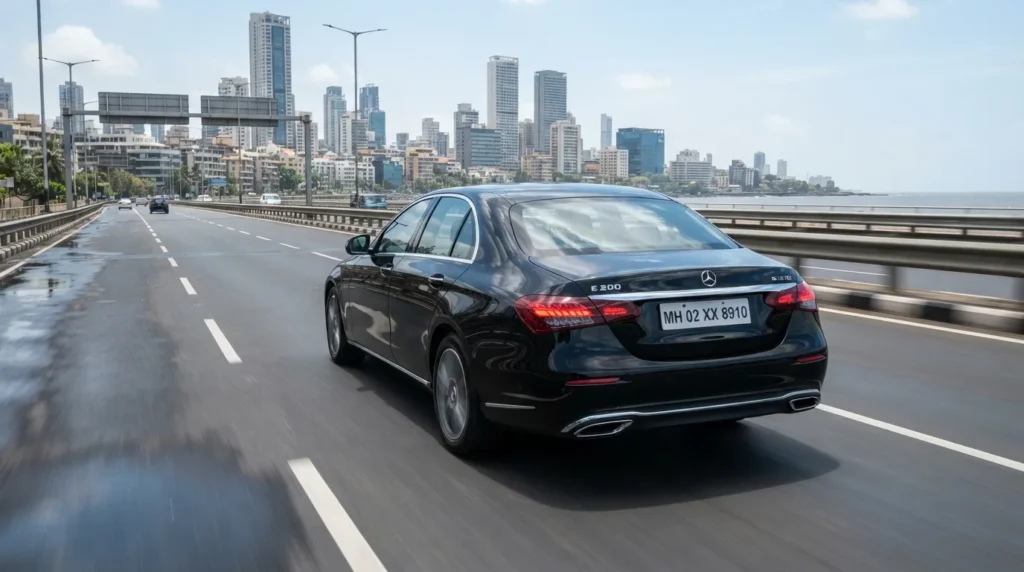
Owners of older models should avoid making assumptions based solely on the vehicle’s model name. Instead, confirm compatibility through the owner’s manual or an authorised Mercedes-Benz service centre before regularly using E20 fuel.
Following the manufacturer’s recommendation ensures the engine, fuel system, and emissions components continue to perform as intended.
Expert Perspective
Mercedes-Benz India’s E20 petrol advisory brings welcome clarity for luxury car owners as India expands ethanol-blended fuel availability. Petrol-powered Mercedes-Benz vehicles manufactured from January 1, 2023 onwards are fully compatible with E20 fuel, offering customers peace of mind while supporting the country’s cleaner mobility initiatives.
For owners of older Mercedes-Benz models, verifying compatibility before switching to E20 remains the safest approach. Checking the production date and following official manufacturer guidance will help protect the vehicle’s performance, reliability, and long-term ownership experience.