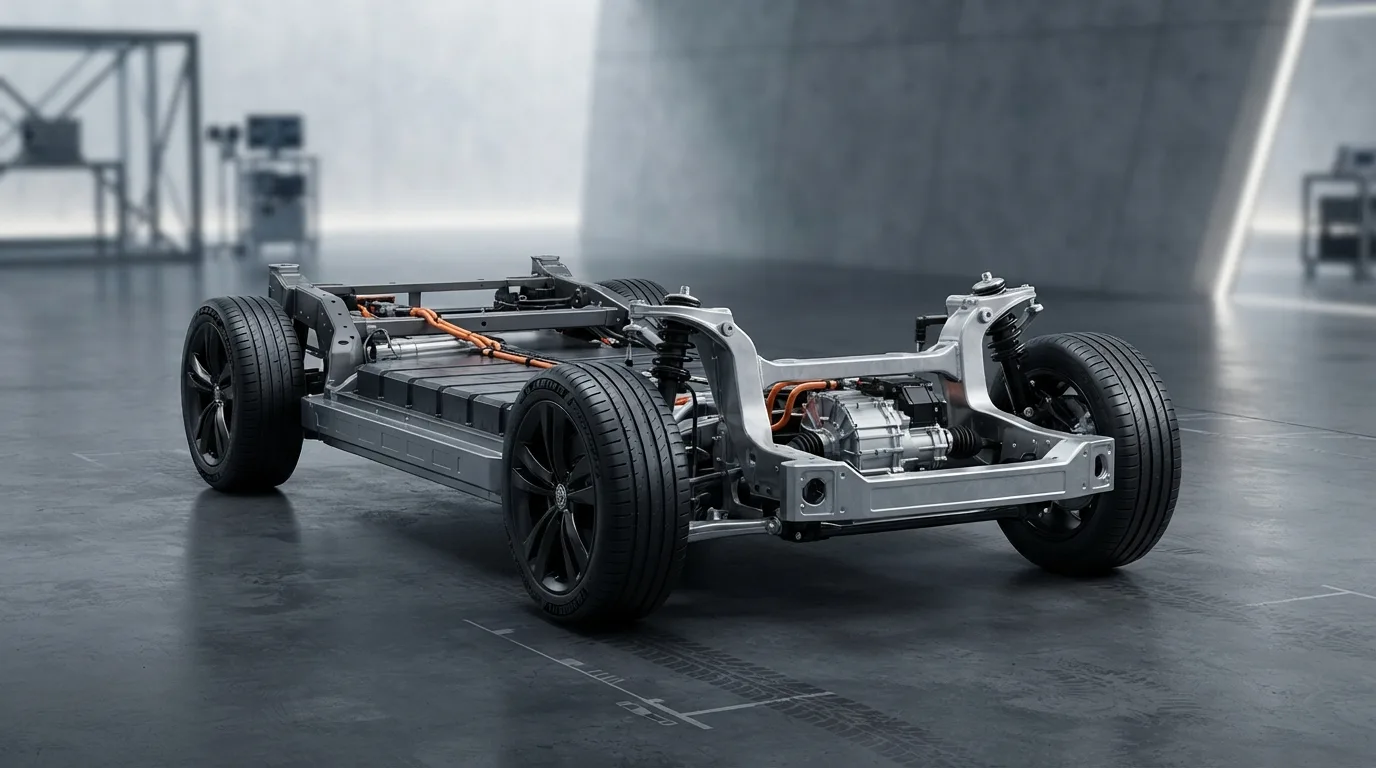
The car industry is shifting fast toward electrification, and every major manufacturer is racing to build architectures that can handle more than one type of powertrain. MG Motor has now joined this race with the launch of its new MG ADAPT Platform, a modular architecture built to support electric vehicles, hybrids, and possibly range-extender models in the future.
This move places MG among the growing list of global carmakers betting on flexible engineering rather than separate platforms for every fuel type. The idea is simple: build one strong base, then adapt it to different powertrains, body styles, and markets. That’s exactly what the MG EV platform promises to do for the brand’s upcoming lineup.
What Exactly Is the MG ADAPT Platform?
At its core, the MG ADAPT Platform is a shared architecture designed to underpin multiple electrified vehicles without needing a completely new production setup for each one. Traditionally, brands developed separate platforms for petrol, hybrid, and electric cars. MG is trying to avoid that duplication.
By using one adaptable base, the company can cut manufacturing costs, shorten development cycles, and bring new models to market faster. This platform is expected to form the backbone of MG’s future vehicles across regions, including Europe, Southeast Asia, Australia, and India.
Built to Handle Multiple Powertrains
The biggest strength of this new architecture is how many powertrain types it can support. Here’s a quick look:
| Powertrain Type | Supported by ADAPT |
|---|---|
| Battery Electric Vehicle (BEV) | Yes |
| Plug-in Hybrid Electric Vehicle (PHEV) | Yes |
| Strong Hybrid | Yes |
| Range-Extended EV (REEV) | Planned for future models |
| Multiple battery sizes/motor setups | Yes |
This kind of flexibility matters because customer demand and government regulations don’t look the same in every country. A single platform that adjusts to local needs gives MG a real edge over rivals still locked into rigid architectures.
One Platform, Many Body Styles
The MG ADAPT Platform isn’t restricted to one vehicle segment either. It’s built to support:
| Vehicle Segment | Applicable |
|---|---|
| Hatchbacks | Yes |
| Sedans | Yes |
| Compact SUVs | Yes |
| Mid-size SUVs | Yes |
| Crossovers | Yes |
| Lifestyle utility vehicles | Yes |
In practice, this means future MG cars in very different price brackets could still share the same underlying engineering, while looking and feeling completely different on the outside. That kind of scalability usually translates into faster launches and lower development costs, which can eventually benefit buyers too.
Smarter Battery Placement
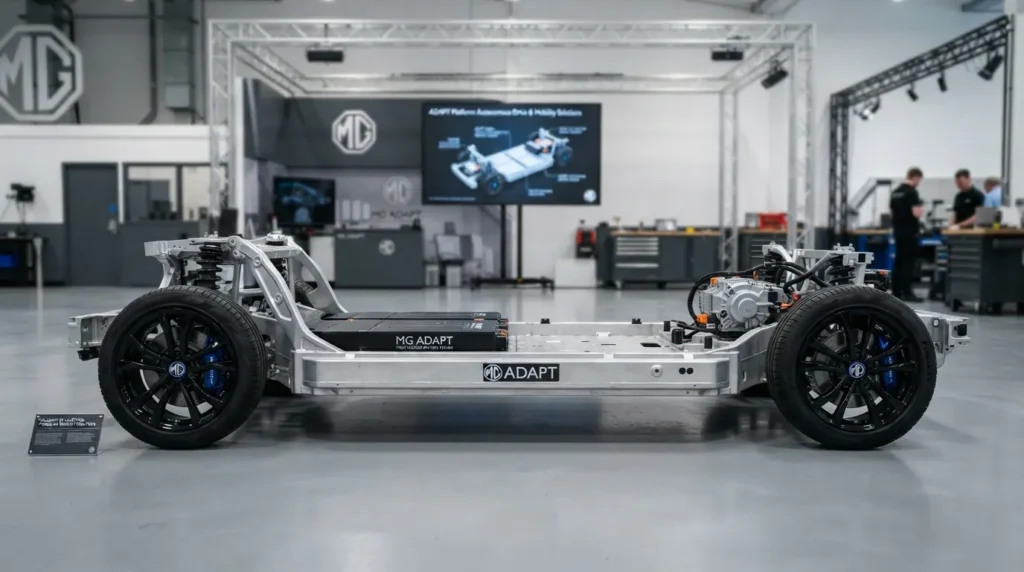
One detail worth noting is how MG has approached battery integration. The pack sits lower in the chassis, which brings a few real-world benefits: better weight distribution, a lower center of gravity, and improved cabin space since the floor doesn’t need to accommodate a bulky, high-mounted battery. Drivers should notice steadier handling, especially through corners, along with a roomier interior for passengers.
Driving Feel and Safety
MG claims the new platform improves structural rigidity and suspension response, which should mean less cabin vibration and a more planted ride, particularly at higher speeds. On the safety side, the architecture is built using high-strength materials and is expected to support multiple airbags, ADAS features, 360-degree cameras, autonomous emergency braking, lane-keeping assistance, blind-spot monitoring, and adaptive cruise control. These are becoming standard expectations rather than premium extras, so it’s a sensible direction for MG to take.
Ready for Software-First Cars
Modern vehicles are increasingly defined by software, not just hardware. The ADAPT platform has been designed with this in mind, supporting over-the-air updates, connected car features, AI-based functions, and smartphone integration. In simple terms, cars built on this platform should be able to gain new features long after they leave the showroom, rather than staying frozen in time.
What This Means for Indian Buyers
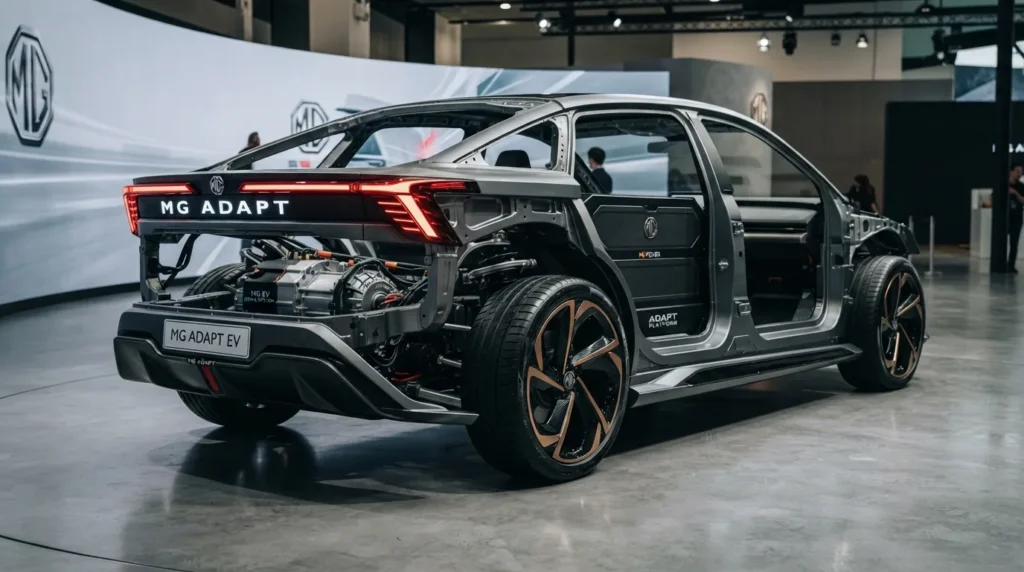
India remains one of MG’s key markets, especially for EVs. While MG hasn’t confirmed exactly which Indian models will use this platform first, it’s reasonable to expect upcoming electric and hybrid SUVs to be built on it. Given that charging infrastructure in India is still catching up and hybrids continue to draw strong interest, a platform that supports both fuel types gives MG the flexibility to react quickly to policy changes and shifting buyer preferences.
Wrapping Up
The MG ADAPT Platform is a fairly significant step for the brand. By combining support for multiple powertrains, better battery packaging, improved safety, and modern software capabilities into one flexible base, MG is setting itself up to compete more effectively in a fast-changing market. For Indian buyers, this likely means more advanced and better-equipped EVs and hybrids in the coming years, built faster and possibly priced more competitively than before.