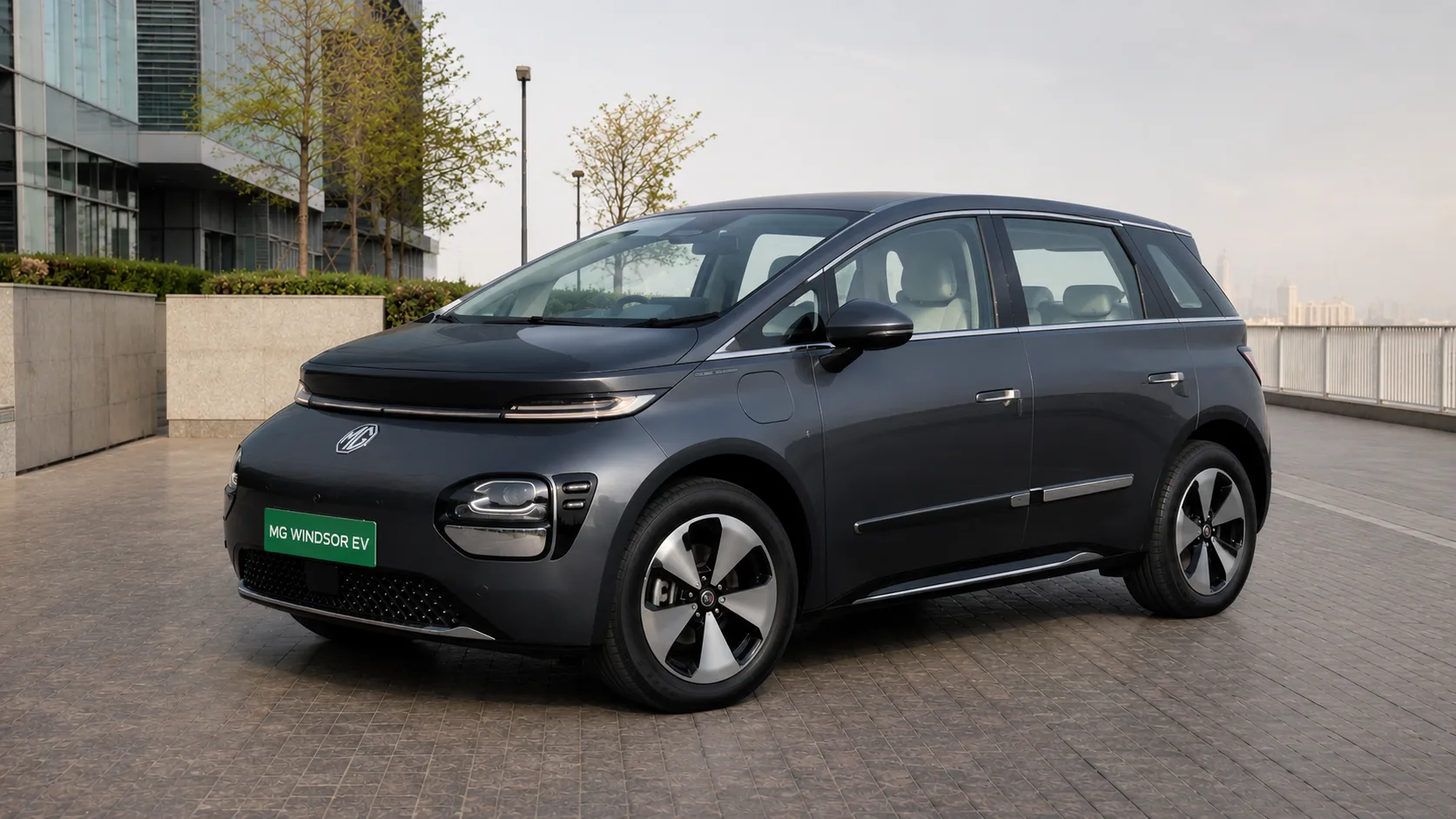
India’s electric vehicle space is moving fast, and one trend standing out right now is how seriously manufacturers are taking local production. JSW MG Motor India is at the center of this shift, with the MG Windsor EV localization level expected to cross 70% in the near future. It’s a quiet but meaningful milestone, one that says a lot about where MG is headed in the Indian market and what it means for anyone eyeing the Windsor EV as their next car.
What Does 70% Localization Actually Mean?
In simple terms, localization is the percentage of parts made or sourced right here in India instead of being shipped in from abroad. Once the MG Windsor EV localization crosses that 70% mark, it means the bulk of the car body panels, wiring, suspension parts, electronics, and several EV-specific components will come from Indian suppliers rather than overseas ones.
That shift isn’t just a manufacturing footnote. It changes how the car is built, priced, and supported over its lifetime.
Why Is MG Pushing Localization So Hard?
A few practical reasons stand out:
Cost control. Imported parts come with customs duties and shipping costs that add up quickly. Sourcing locally trims a lot of that expense.
Faster production. When your supply chain isn’t dependent on ships crossing oceans, deliveries to dealerships get quicker and more predictable.
Stronger after-sales network. Locally made parts are simply easier to get hold of, which means fewer delays when something needs replacing.
Policy alignment. India’s EV push actively rewards domestic manufacturing, and MG’s strategy fits neatly into that bigger picture.
What’s In It for Windsor EV Buyers?
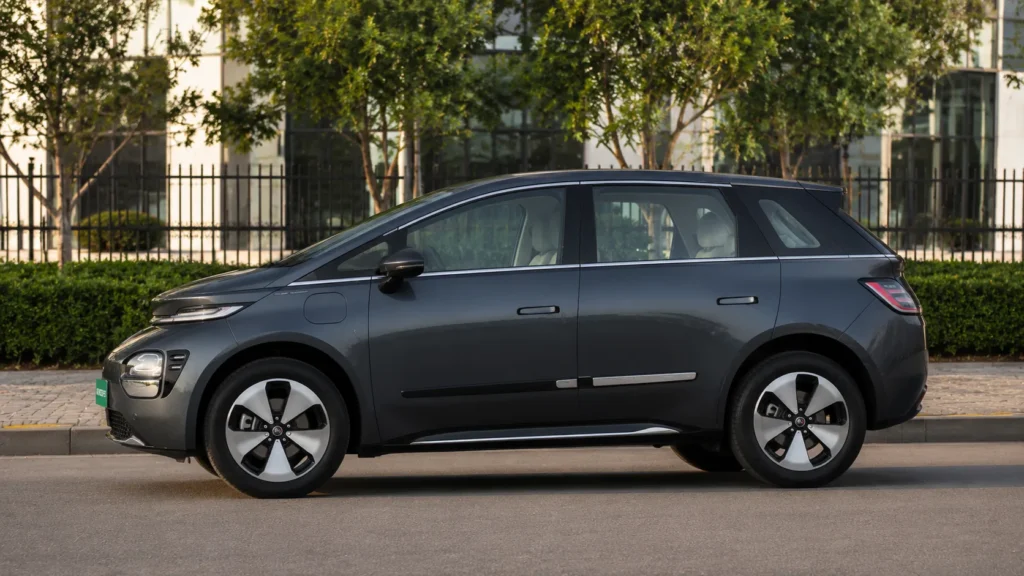
This is really the part most people care about: how does this affect someone actually planning to buy one?
More stable pricing. The Windsor EV did see a price revision recently, but higher localization gives MG more control over long-term costs. It won’t eliminate price changes, but it should soften the impact of global raw material swings.
Better service turnaround. Locally sourced components generally mean shorter waits for spare parts, quicker repairs, and a smoother overall ownership experience, something EV owners especially value given how specialized some components are.
Lower long-term running costs. EVs already cost less to maintain than petrol or diesel cars, and local parts push that advantage even further once the vehicle is out of warranty.
Healthier resale value. Cars backed by a solid local parts ecosystem tend to hold their value better, simply because buyers trust that maintenance won’t be a headache down the line.
Will the Driving Experience Change?
No, and this is worth stressing. Localization is about where parts are made, not how the car performs. The battery, motor, range, safety systems, and connected features all stay exactly as they are. Nothing about the way the Windsor EV drives or feels is going to change because of this shift.
A Bigger Win for India’s EV Industry
This isn’t just an MG story. Every time a manufacturer pushes localization higher, it strengthens India’s component suppliers, creates jobs, and builds out the domestic battery and electronics ecosystem. Over time, moves like this are what turn India into a genuine EV manufacturing hub rather than just an assembly market.
How Does the Windsor EV Stack Up Against Rivals?
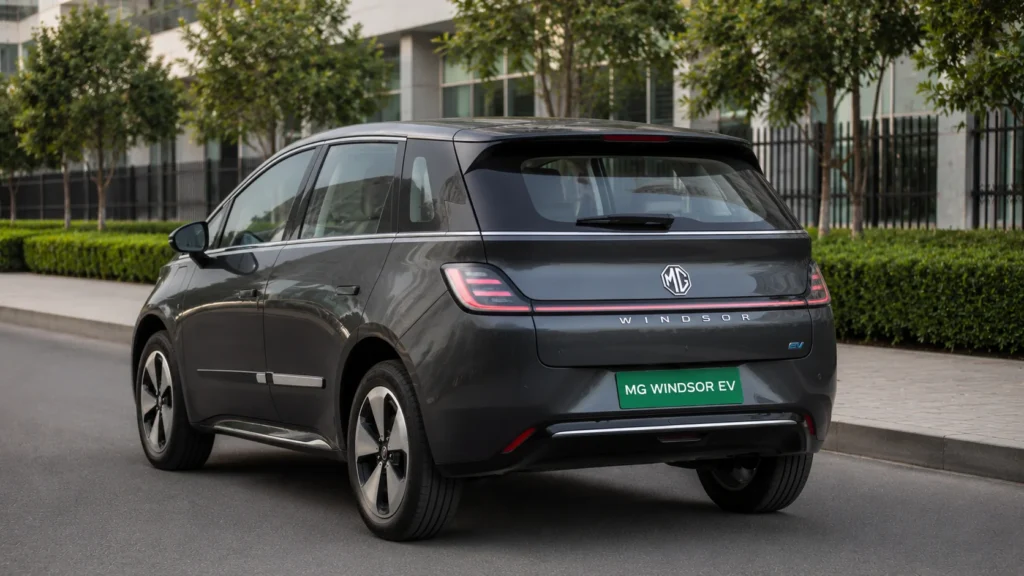
The Windsor EV isn’t alone in this race. Cars like the Tata Nexon EV, Mahindra XUV400, Tata Curvv EV, and Hyundai Creta electric are all competing in the same space, and many of them are chasing similar localization targets. Higher local content gives MG more room to compete on price, service quality, and long-term ownership value without compromising on features.
Should You Wait to Buy?
Honestly, there’s no strong reason to hold off. This update mainly strengthens things that matter after the purchase, such as spare parts availability, service support, and overall reliability. Unless MG rolls out a major feature update alongside this milestone, the car you buy today will drive exactly the same as one built after the localization jump.
Final Takeaway
Crossing 70% localization isn’t just a manufacturing statistic for MG; it’s a signal of long-term commitment to Indian buyers. Expect better parts availability, smoother service experiences, and more price stability going forward. For anyone shortlisting electric SUVs in 2026, this development gives the Windsor EV a bit more staying power on that list and hints at where India’s EV story is heading next.