
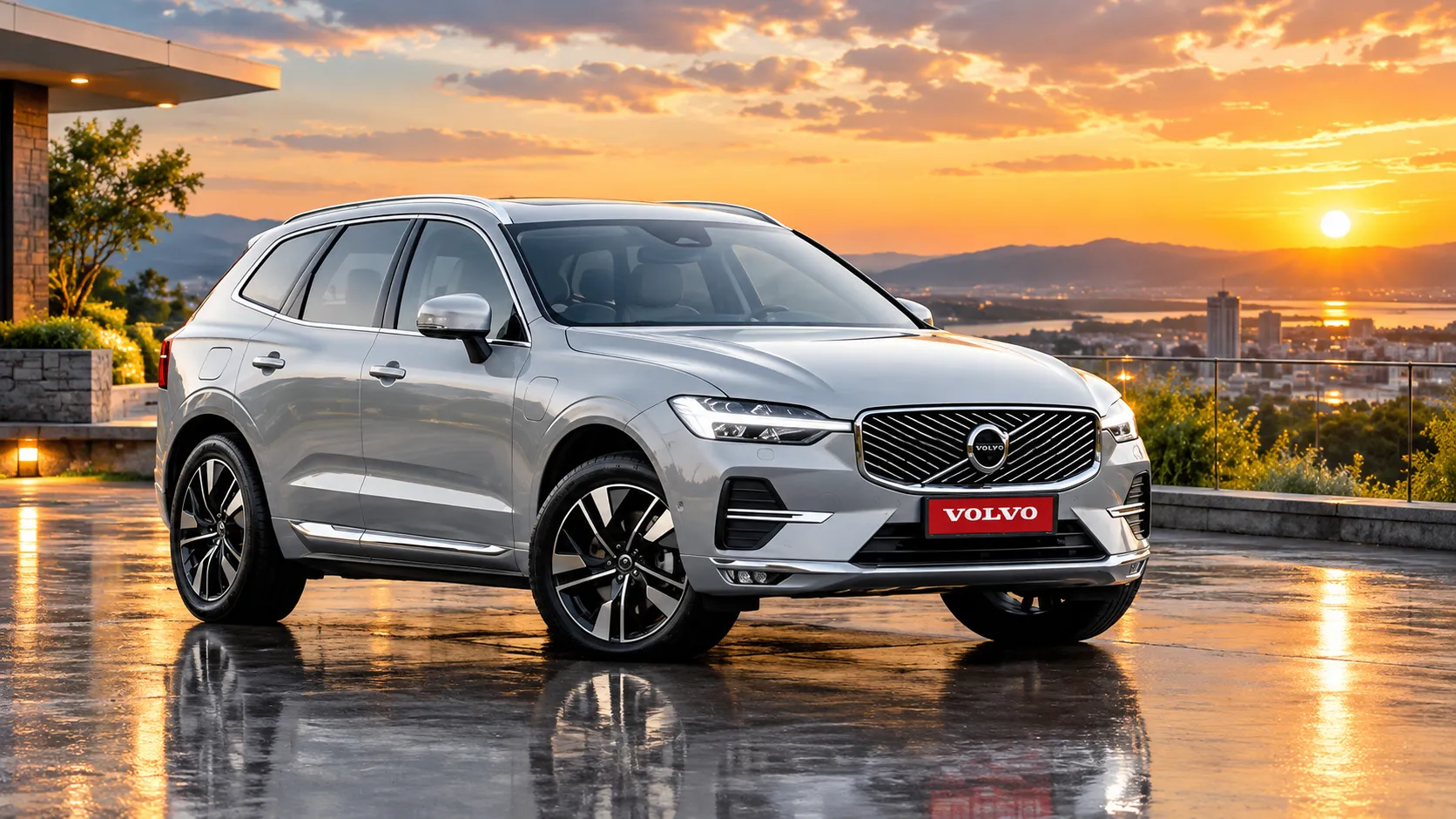
Volvo is strengthening its electrified SUV portfolio with updated plug-in hybrid versions of the XC60 and XC90. For the Indian market, where buyers are increasingly looking for cleaner and more efficient luxury vehicles without giving up the convenience of a petrol engine, these SUVs could make a strong case for plug-in hybrid technology.
The XC60 and XC90 already occupy important positions in Volvo’s global SUV line-up. Their plug-in hybrid powertrains combine a petrol engine with an electric motor and a rechargeable battery, allowing drivers to use electric power for shorter daily journeys while retaining the petrol engine for longer trips.
Electric Driving With Petrol Backup
The biggest advantage of a plug-in hybrid SUV is flexibility. Unlike a fully electric vehicle, a PHEV does not depend entirely on charging infrastructure for long-distance travel. Owners can charge the battery at home and use electric power for regular commuting, while the petrol engine provides additional range when required.
For Indian luxury-car buyers, this combination can be particularly useful. Charging infrastructure is expanding across major cities, but long-distance charging coverage is still developing compared with conventional fuel stations. A PHEV can therefore provide a middle ground between traditional petrol SUVs and fully electric models.
The latest Volvo XC60 and XC90 plug-in hybrid versions are also designed to deliver strong performance while reducing fuel consumption and tailpipe emissions during suitable driving conditions. The electric motor can provide instant torque, helping the SUVs feel responsive in city traffic and during acceleration.
Why They Could Work in India
India’s luxury-car market is gradually moving towards electrification, with premium manufacturers introducing EVs, hybrids and plug-in hybrids alongside conventional models. Volvo has already established itself as one of the more aggressive luxury brands in adopting electrified powertrains.
The XC60 could appeal to buyers looking for a premium five-seat SUV that remains relatively manageable for everyday urban use. The larger XC90, meanwhile, offers a more spacious cabin and three-row practicality, making it better suited to buyers who want a luxury family SUV.
Another advantage is the ability to complete short journeys using electric power. If the battery is charged regularly, owners could potentially reduce their dependence on petrol for daily commuting. The actual benefit, however, will depend on driving patterns, charging availability and the final specifications offered in India.
What to Expect
If Volvo brings these updated plug-in hybrid SUVs to India, pricing will be a key factor. They are likely to sit at the premium end of the SUV market, competing with other luxury electrified offerings from brands such as BMW, Mercedes-Benz and Audi.
For Indian buyers, the XC60 and XC90 plug-in hybrids make sense because they offer a practical transition towards electrification without completely removing the convenience of an internal-combustion engine. Their success will ultimately depend on pricing, electric-only range, equipment, and how Volvo positions them alongside its existing EV range.
Overall, these plug-in hybrid SUVs could offer a balanced solution for buyers who want lower everyday fuel consumption and electric driving capability but are not yet ready to make the complete switch to a battery-electric vehicle.
Also Read :- Chery Exeed EX7 REEV Patented in India