
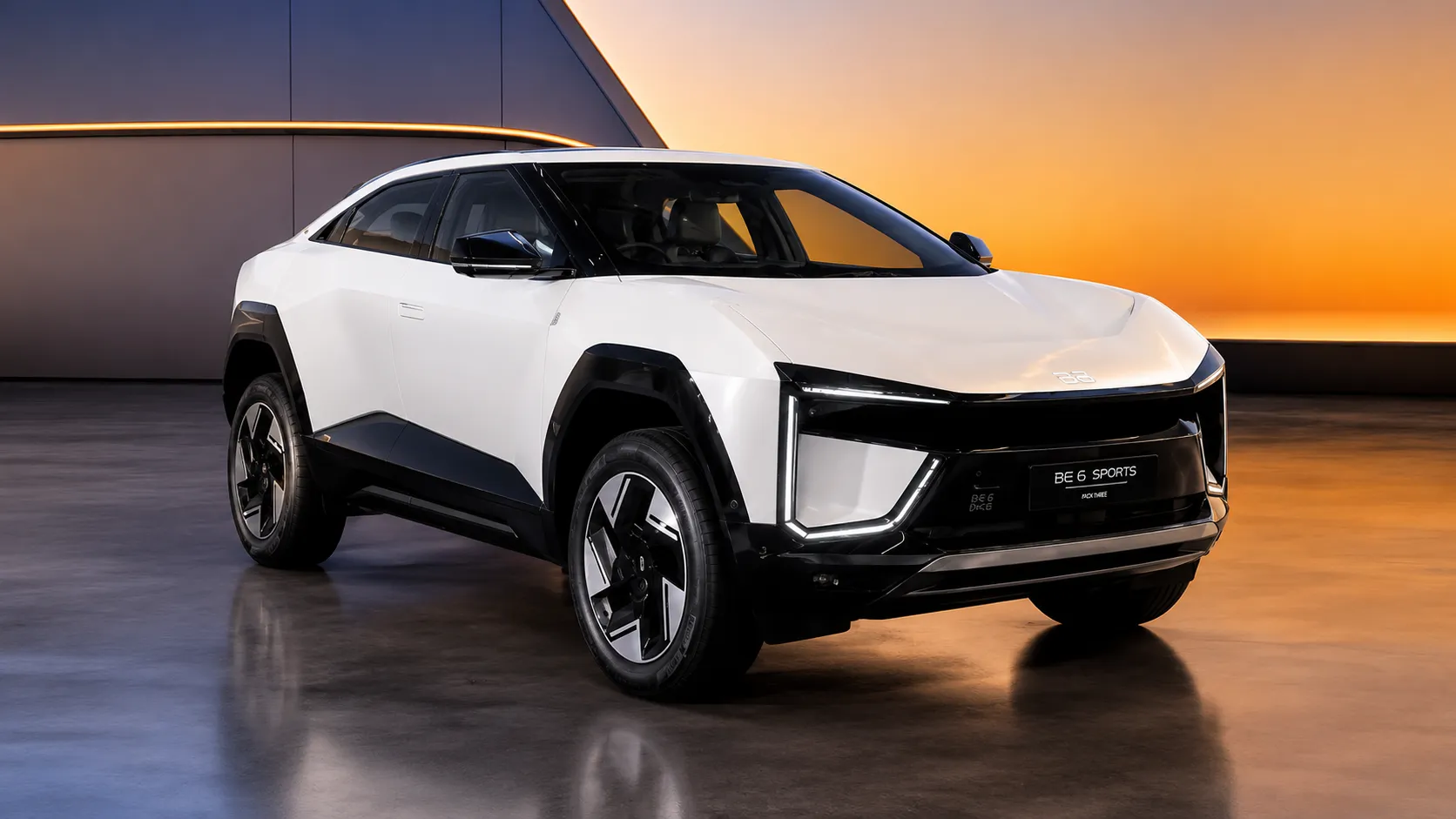
Buying a new car in India could become more expensive in the coming months as automakers prepare to deal with rising input costs, currency fluctuations, and higher expenses across the supply chain. While carmakers have not announced a blanket price hike across the entire market, buyers looking to purchase a new vehicle should keep an eye on upcoming price revisions.
Car prices in India are influenced by several factors, including raw material costs, logistics, component prices, taxes and exchange-rate movements. When these expenses increase, manufacturers often pass at least part of the additional cost on to customers through a price revision.
Why Are Car Prices Expected To Rise?
The biggest reason behind a potential increase is the rising cost of manufacturing. Modern cars use a large number of components, including steel, aluminium, electronic parts, semiconductors and batteries in the case of electric vehicles. Any significant increase in the cost of these materials can affect the final price of a vehicle.
Currency movement can also play an important role. Several automotive components and raw materials are imported, directly or indirectly. A weaker rupee can therefore increase procurement costs for manufacturers and suppliers.
Logistics and operating costs are another factor. Transportation, warehousing and other supply-chain expenses can influence the overall cost of bringing a vehicle from the factory to dealerships.
Which Cars Could Be Affected?
Potential price increases could affect cars across different segments rather than being limited to a particular manufacturer. Entry-level hatchbacks, compact SUVs, premium SUVs and electric vehicles could all see revisions depending on the individual company’s cost structure.
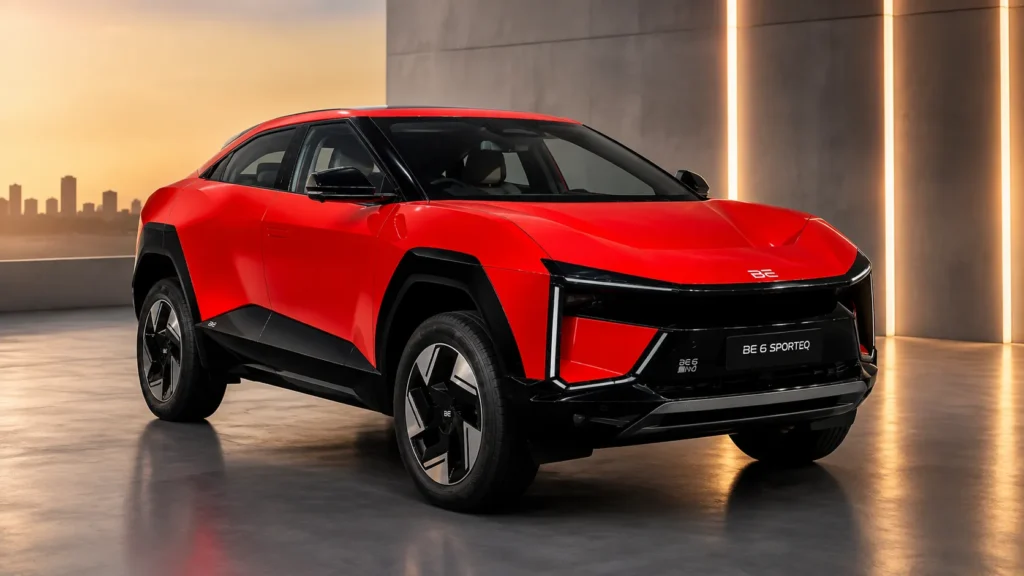
Electric cars may face additional cost pressure because batteries remain one of the most expensive components of an EV. However, manufacturers can also use discounts, offers and promotional schemes to balance the impact for customers.
The actual increase, if announced, will depend on the manufacturer, model and variant. Some companies may increase prices across their range, while others could revise prices only for selected models.
Should You Buy A Car Now?
For buyers who have already finalised their purchase, it may be worth checking the current price, available discounts and delivery timeline with the dealership. Waiting for a long period could expose the buyer to a future price revision, although there is no guarantee that prices will definitely increase.
Buyers should also avoid making a rushed decision purely because of rumours. The final price should be compared after considering discounts, insurance, registration charges, accessories and financing costs.
What Buyers Should Keep In Mind
Before booking a car, customers should ask the dealer whether the quoted price is applicable until delivery or whether the manufacturer can revise the price before invoicing. This is particularly important for vehicles with long waiting periods.
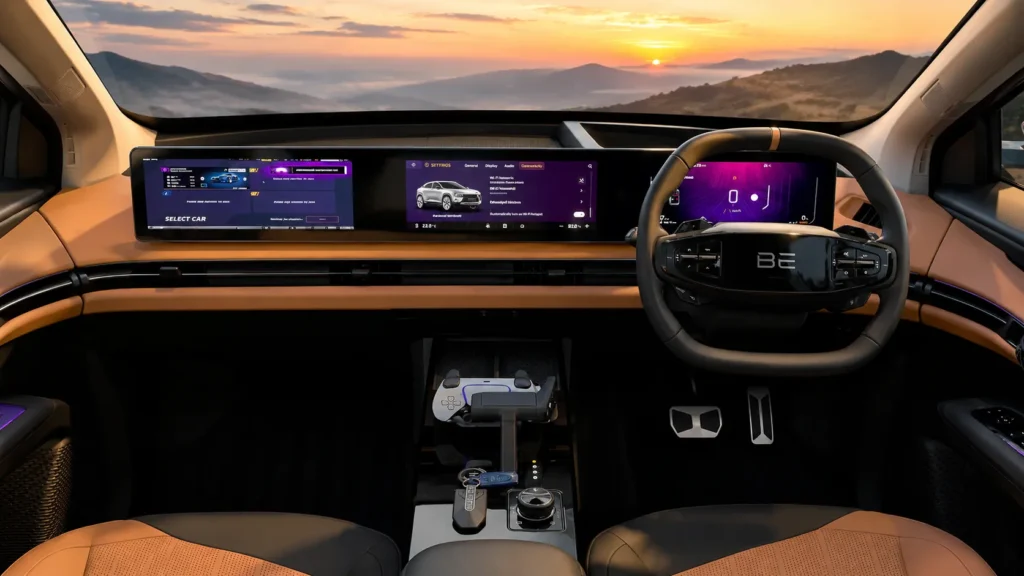
It is also useful to check ongoing manufacturer offers and dealer-level discounts. In some cases, a discount available today could offset part or even all of a small price increase.
For now, there is no reason to panic, but prospective car buyers should stay alert to official price announcements from manufacturers. If input and operating costs continue to rise, higher vehicle prices could become a reality for customers in the near future.
Also See :- Toyota Hilux Facelift Deliveries Begin in India