India’s automotive market is facing a new question as buyers compare traditional petrol cars with electric vehicles: should consumers continue with ICE cars running on ethanol-blended petrol, or move directly to EVs?
The debate has become more relevant in 2026 as E20 petrol has become the standard fuel across India. According to the government, petrol sold across the country is now mandated to contain 20% ethanol, while BS-VI vehicles are required to meet E20 emission standards.
For petrol car owners, the biggest concern is fuel compatibility and mileage. Ethanol contains less energy per litre than petrol, which can affect fuel economy depending on the vehicle, driving conditions and engine calibration. The government has also clarified that mileage cannot be attributed to ethanol alone, as factors such as driving style, traffic and vehicle condition also influence fuel consumption.
Another issue is the growing concern around fuel quality. Recent reports have highlighted internal concerns within the automobile industry regarding contamination in some E20 fuel samples, although the industry body later withdrew its formal complaint and authorities have maintained that fuel quality is being monitored.
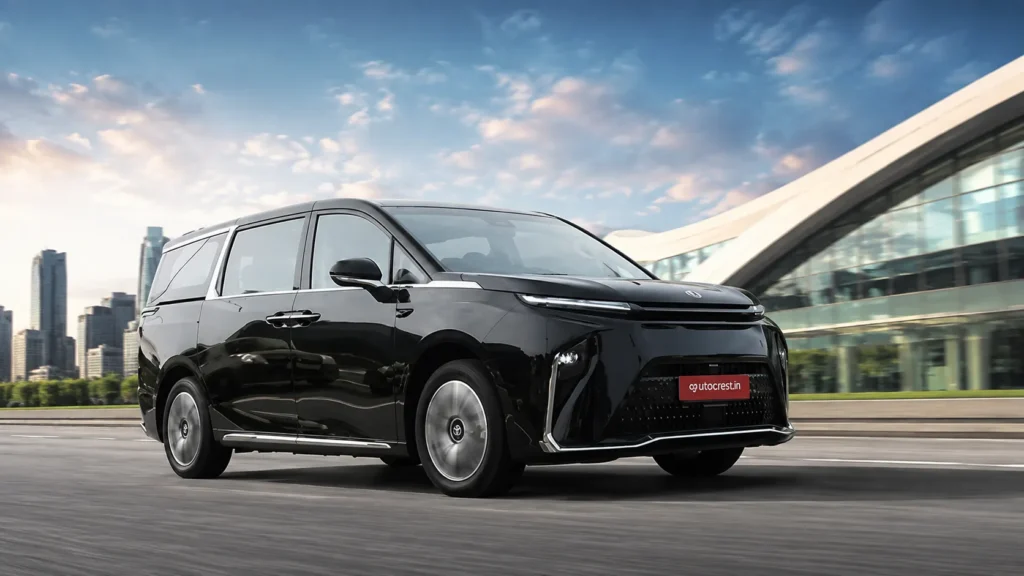
This creates an interesting situation for new-car buyers. Modern E20-compatible ICE vehicles remain a practical option, particularly for consumers who regularly undertake long-distance journeys and lack convenient access to charging infrastructure.
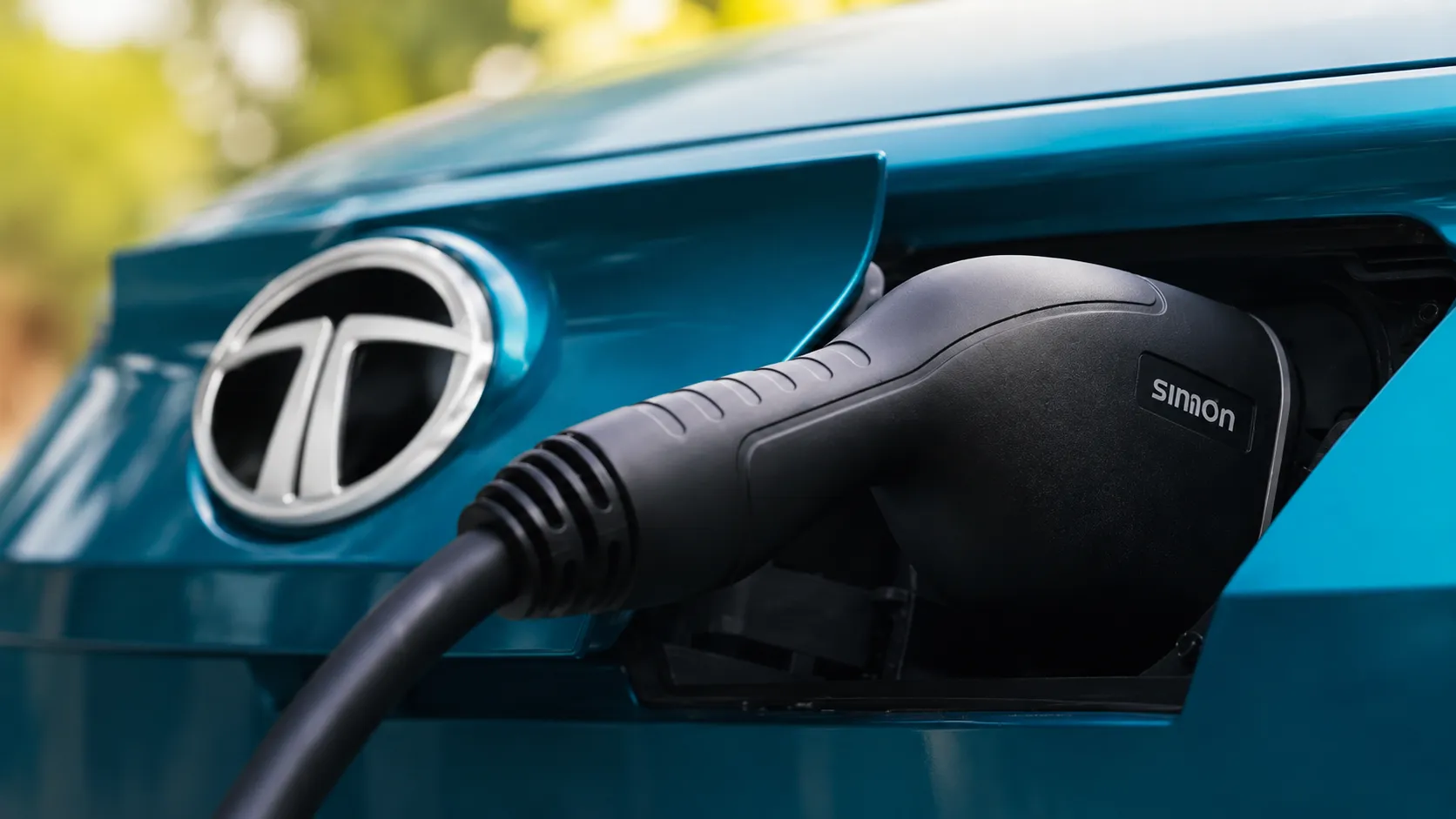
EVs, meanwhile, completely avoid the petrol-and-ethanol question. They have no internal-combustion engine and therefore do not depend on petrol blending policies. However, EV ownership still involves considerations such as charging availability, purchase price, battery technology and highway charging infrastructure.
Interestingly, ethanol is not necessarily competing with EVs. India has a very large existing ICE vehicle fleet, meaning petrol and ethanol-based technologies will remain important for years even as electric mobility expands. Industry voices have also argued that India will need both solutions rather than treating ethanol and EVs as mutually exclusive choices.
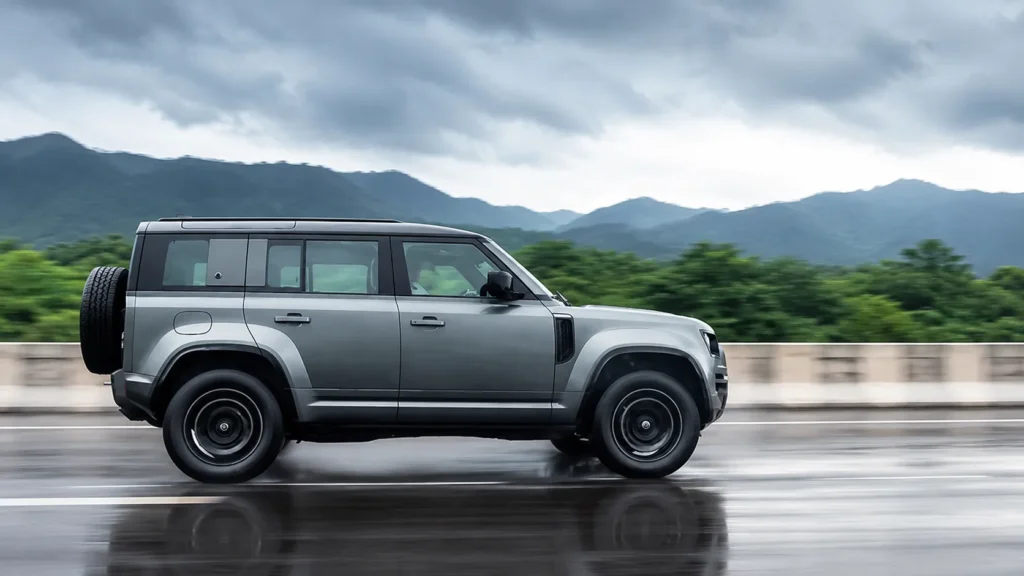
The next phase could make the comparison even more complicated. India has already introduced standards for petrol blends beyond E20, while flex-fuel vehicles capable of using much higher ethanol concentrations are being considered.
For buyers in 2026, the decision therefore depends less on choosing a “winner” between ICE and EV and more on individual usage. An E20-compatible ICE car can still make sense for flexibility and long-distance travel, while an EV may be the more future-focused choice for buyers with reliable charging access.
The ethanol question is not making petrol cars irrelevant overnight, but it is changing what consumers need to consider before buying their next car.
Also See :- New Car Price Hike Soon: Why Car Prices May Increase