

The Land Rover Defender is known for its rugged design, strong off-road capability, and premium cabin. Still, its diesel engine also raises an important question for buyers: how much mileage can it actually deliver in real-world driving conditions? While official efficiency figures provide a useful benchmark, everyday mileage can vary significantly depending on traffic, driving style, road conditions and the vehicle’s load.
The Defender diesel is generally considered more practical for long-distance use than a petrol-powered version, particularly for buyers who regularly cover highways or travel between cities. Its strong low-end torque allows the SUV to build speed without frequent high-rev acceleration, helping keep fuel consumption under control during relaxed driving.
In real-world conditions, highway mileage is usually better than what owners experience in urban traffic. On open roads, a diesel Defender can deliver reasonably consistent fuel efficiency when driven at steady speeds. However, frequent overtaking, high-speed cruising and aggressive acceleration can quickly increase fuel consumption.
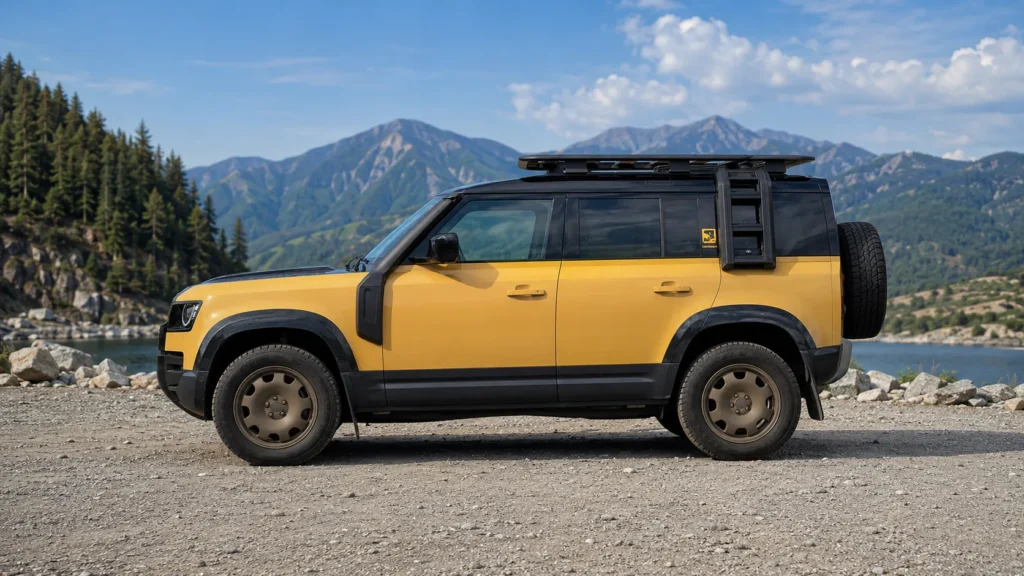
City driving presents a different picture. The Defender is a large and heavy SUV, and moving its considerable weight through stop-and-go traffic requires more fuel. Congested roads, repeated braking and acceleration, extended idling and frequent use of the air conditioner can all reduce mileage. For owners who primarily drive in busy urban areas, real-world fuel efficiency is therefore likely to be noticeably lower than highway figures.
Tyre selection, wheel size and driving conditions also have an impact. Larger wheels and more aggressive tyres can increase rolling resistance, while off-road driving places additional demands on the engine and drivetrain. Carrying passengers and luggage can further affect fuel consumption.
For buyers considering the Defender diesel, mileage should therefore be viewed as part of the overall ownership equation rather than its main selling point. The SUV is engineered primarily around performance, comfort and all-terrain capability, and its fuel efficiency needs to be judged in that context.
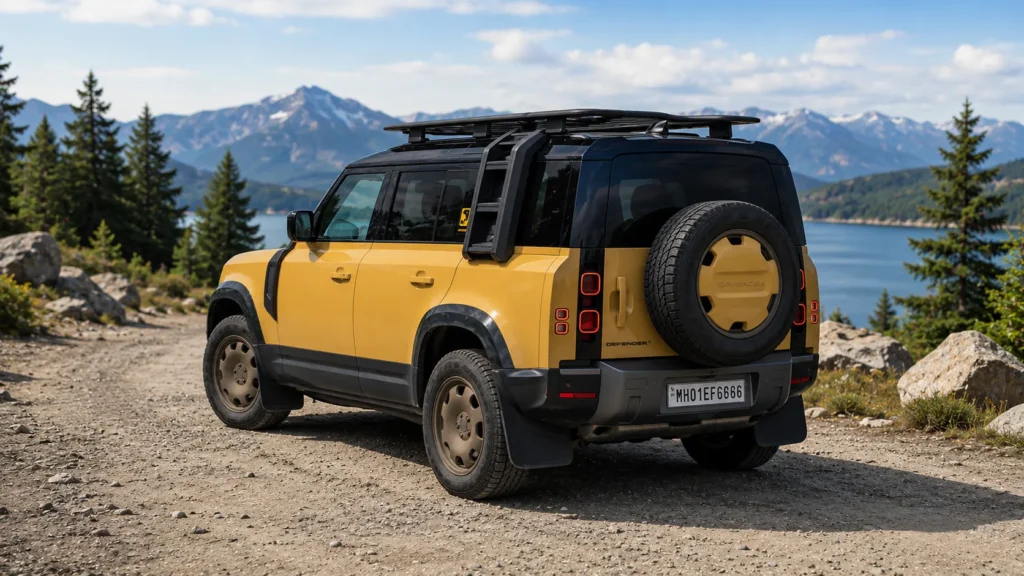
For long highway journeys and steady driving, the diesel Defender can offer respectable efficiency for a vehicle of its size and capability. In heavy city traffic or demanding off-road conditions, however, owners should be prepared for higher fuel consumption.
The real-world mileage ultimately depends on how and where the Defender is driven. For buyers who want a luxury SUV capable of handling both long-distance touring and challenging terrain, the diesel engine continues to make a strong case, provided fuel economy expectations remain realistic.
Also See :- VinFast VF 6 and VF 7 Get Three New Colour Options