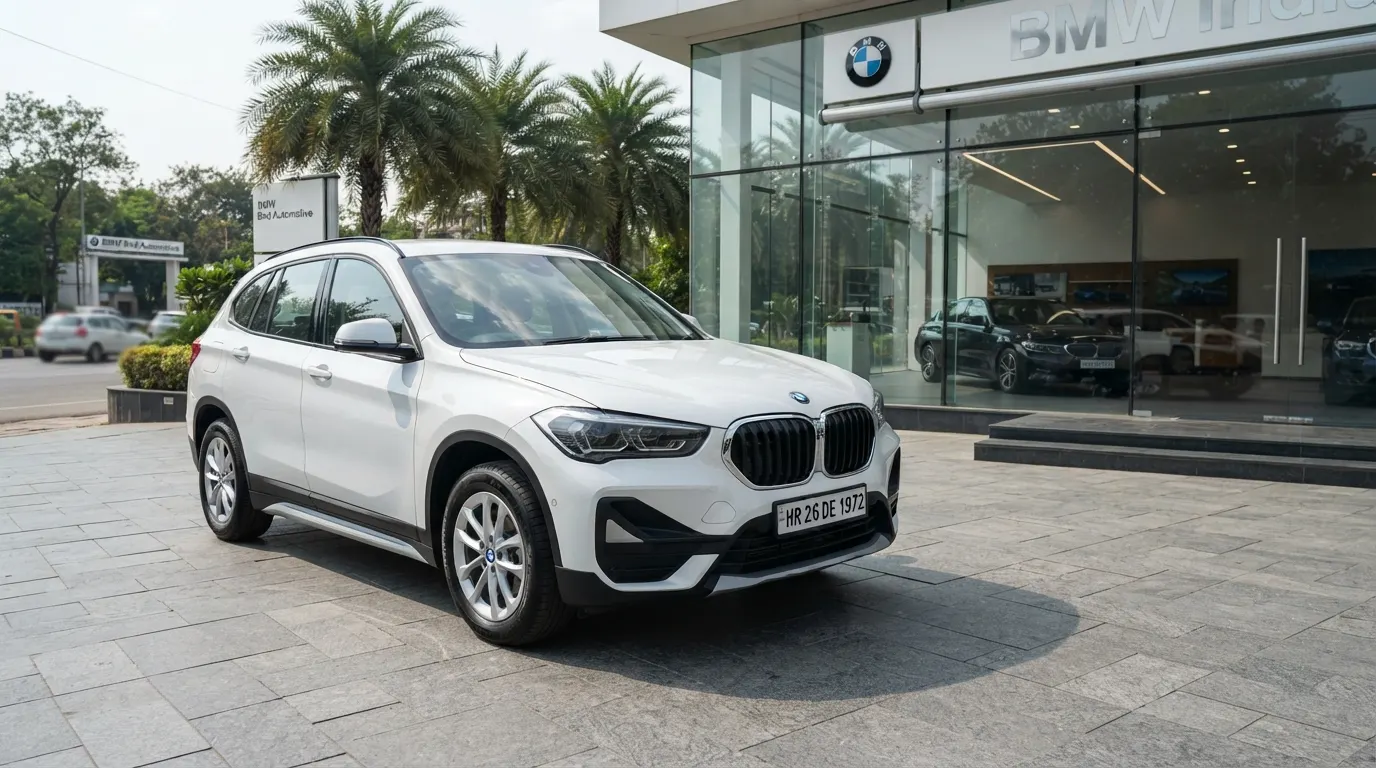
BMW Group India has just wrapped up its best-ever first half of a calendar year, and the numbers tell a story worth paying attention to if you’re tracking the luxury car race in India. Between January and June 2026, the company handed over 9,075 cars to customers, a jump of 17% year-on-year compared to the same stretch in 2025. That kind of growth doesn’t just look good on paper; it has visibly narrowed the gap with Mercedes-Benz, the brand that has held the luxury sales crown in India for years.
What makes this half-year stand out isn’t just the headline number. It’s the mix behind it: strong SUV demand, a sedan lineup that’s still finding buyers, and an electric vehicle push that’s growing faster than almost anything else in the segment.
BMW Group India H1 2026 Sales at a Glance
| Particular | H1 2026 | H1 2025 | Growth |
|---|---|---|---|
| Total Car Deliveries | 9,075 | 7,774 | +17% |
| Q2 2026 Deliveries | 4,507 | 3,861 | +17% |
| EV Sales | 2,359 | ~1,325 | +78% |
| EV Share of Total Sales | ~26% | ~17% | Significant Increase |
The Models Doing the Heavy Lifting
BMW’s growth this year hasn’t come from one hero product. It’s a spread across SUVs, sedans, EVs, and the MINI badge that’s kept momentum going month after month.
| Model / Variant | Segment |
|---|---|
| BMW X1 | Compact Luxury SUV |
| BMW X3 | Mid-size Luxury SUV |
| BMW X5 | Premium Luxury SUV |
| BMW 2 Series Gran Coupe | Entry Luxury Sedan |
| BMW 3 Series Long Wheelbase | Executive Sedan |
| BMW 5 Series | Luxury Sedan |
| BMW 7 Series | Flagship Luxury Sedan |
| BMW iX1 | Electric SUV |
| BMW i4 | Electric Sports Sedan |
| BMW i5 | Premium Electric Sedan |
| BMW i7 | Flagship Electric Sedan |
| MINI Cooper Range | Premium Hatchback |
| MINI Countryman | Premium SUV |
Electric Vehicles Are the Real Story
If there’s one number in this report that deserves a second look, it’s the EV growth rate. BMW sold 2,359 electric cars in H1 2026, up a striking 78% over the same period last year. Roughly one in every four cars BMW sold in India during these six months was electric, a ratio that would have sounded ambitious just a couple of years ago.
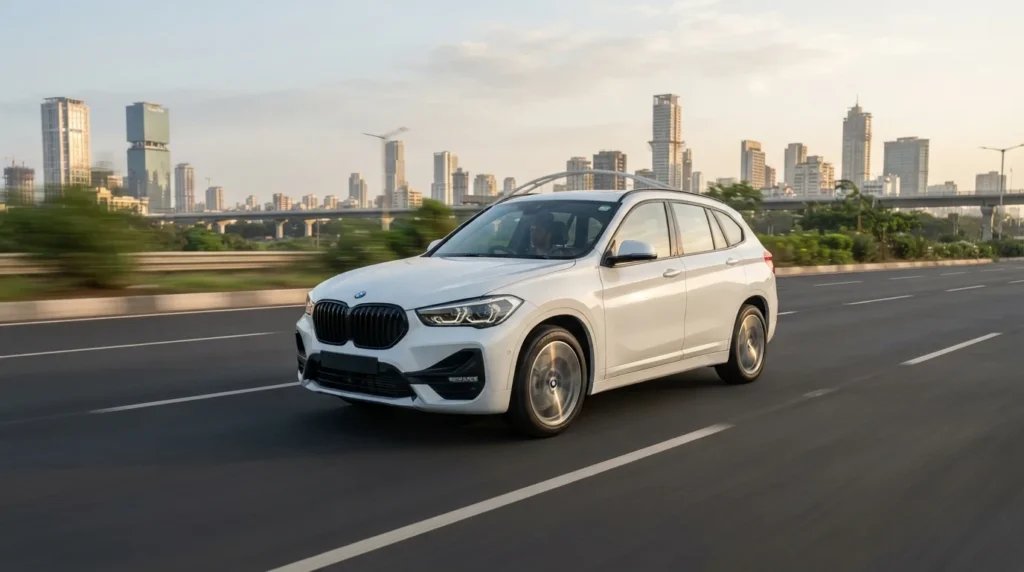
The iX1 has done much of the volume work here, but the i4, i5, and the flagship i7 have all added weight to the EV tally. For a market where premium EVs were once seen as a slow-burn category, this kind of uptake signals that Indian luxury buyers are genuinely warming up to going electric, not just window-shopping.
Mercedes-Benz Still Leads, But the Race Is Tightening
Mercedes-Benz India hasn’t lost its top spot. It closed H1 2026 with 9,768 units, still ahead of BMW. But the pace of growth tells a different story: Mercedes grew 9% year-on-year, less than half of BMW’s growth rate.
| Luxury Brand | H1 2026 Sales | YoY Growth |
|---|---|---|
| Mercedes-Benz India | 9,768 | 9% |
| BMW Group India | 9,075 | 17% |
The gap between the two brands is now just 693 units, a far cry from the wider margins seen in previous years. If this trend holds, the second half of 2026 could turn into one of the closest luxury-brand contests India has seen in a while.
SUVs Are Still Where the Money Is
Across the board, SUVs continue to be the backbone of BMW’s sales in India. The X1, X3, and X5 remain fan favourites, largely because they combine comfort, road presence, and features that Indian buyers have come to expect at this price point. At the same time, long-wheelbase sedans like the 3 Series LWB and 7 Series continue to find steady demand, especially among buyers who use these cars with a chauffeur.
What’s Actually Driving This Growth?
A few things stand out when you look at why BMW has managed to outpace the broader luxury segment:
- Strong and consistent demand for premium SUVs
- Fast-growing appetite for luxury EVs
- Good response to models assembled locally in India
- A wider dealership and after-sales network
- Competitive financing and ownership schemes
- Rising interest from Tier-2 and Tier-3 cities, not just metros
None of these factors works in isolation; they’ve helped BMW grow faster than the overall luxury car market in India.
A Market That’s Only Getting More Competitive
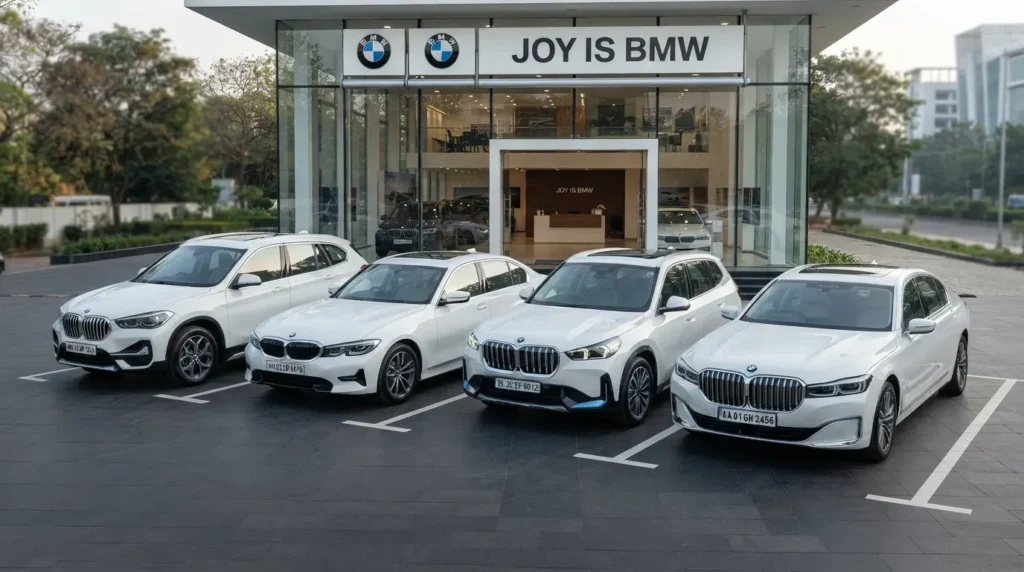
India’s luxury car market isn’t standing still. Rising incomes and a growing appetite for premium mobility are pulling more buyers into this segment every year. Mercedes-Benz still sits at the top, but BMW’s faster growth is a clear sign that the competition is heating up. Add to that the moves being made by Audi, Volvo, Lexus, and JLR, and it’s clear no single brand can afford to coast.
Wrapping Up
BMW’s record 9,075 deliveries in H1 2026, backed by 17% growth and a near-doubling of EV sales, mark one of the strongest half-year performances the brand has had in India. The gap with Mercedes-Benz has never been this small, and if BMW keeps this momentum through the rest of 2026, India’s luxury car race could end up being closer than it has been in years.