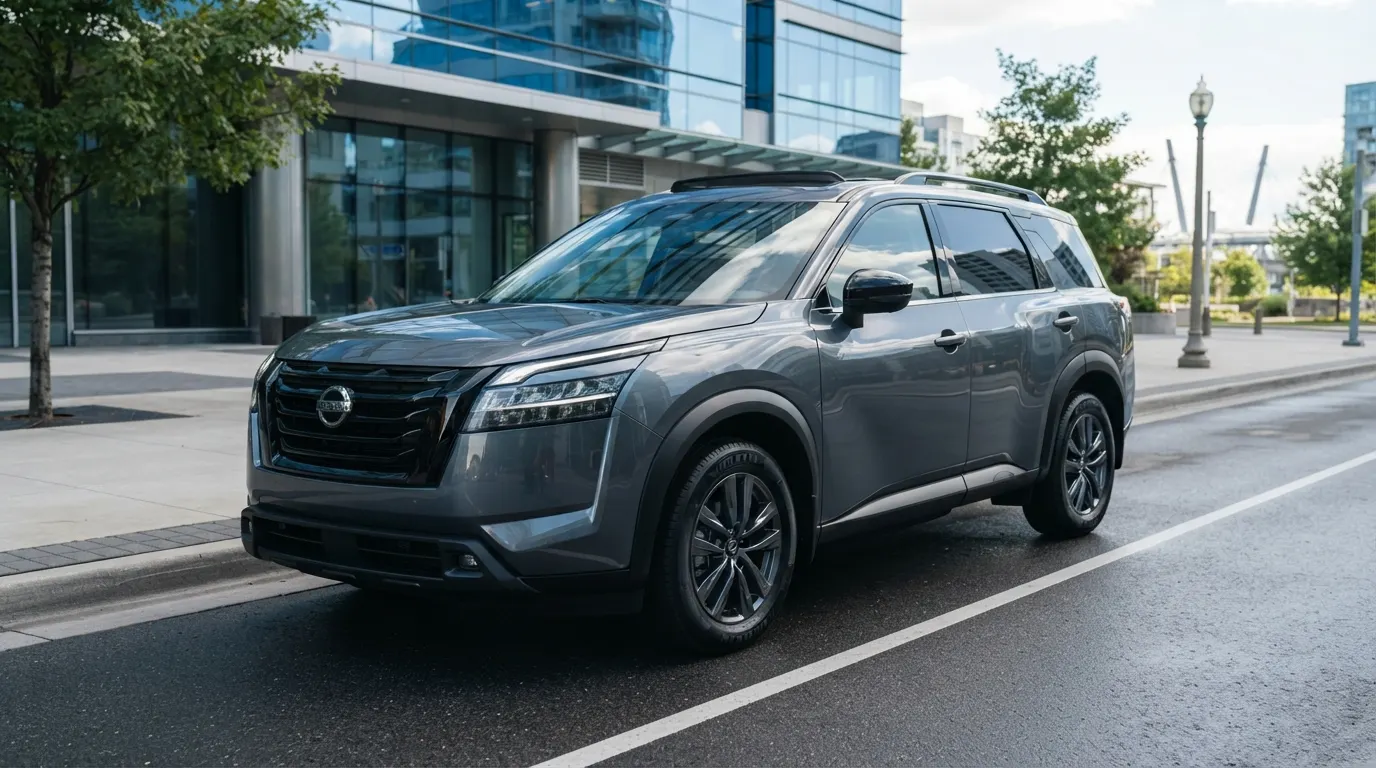
Ever since news of the upcoming Nissan Tekton started doing the rounds, one question has kept popping up in every car forum, YouTube comment section, and WhatsApp group of SUV enthusiasts: Will it come with a Nissan Tekton diesel engine, or is Nissan skipping oil-burners altogether this time?
Based on everything we’re seeing right now, it looks like the second scenario is far more likely. Nissan seems to be putting all its eggs in the turbo-petrol basket for the Tekton, and honestly, once you look at the reasons behind it, the move starts to make a lot of sense.
So, Is There Really No Diesel Option?
For the longest time, diesel was the go-to choice for Indian SUV buyers. It made sense, with better torque at low speeds, solid fuel economy, and that reassuring highway pull. But things have shifted quite a bit in the last few years.
Brands like Honda, Renault, Volkswagen, and Skoda have already trimmed down or completely dropped their diesel line-ups, and Nissan has followed a similar path in several global markets, too. Going by current industry chatter, the Nissan Tekton petrol engine setup seems to be the only route the company is planning for India, at least at launch.
What Engine Options Can We Expect?
Nissan hasn’t put out an official statement on the full powertrain line-up yet, but given the brand’s ties with the Renault-Nissan alliance, it’s fairly easy to guess what’s coming.
| Specification | Expected Details |
|---|---|
| Engine | 1.3-litre Turbo Petrol |
| Power | Around 150–160 PS |
| Torque | Around 250–270 Nm |
| Transmission | 6-Speed Manual |
| Automatic | CVT or Dual-Clutch (Expected) |
| Fuel Type | Petrol |
If these numbers hold up, the Tekton should feel punchy enough for daily city runs while still having enough in reserve for occasional highway stints.
Why Would Nissan Skip Diesel Altogether?
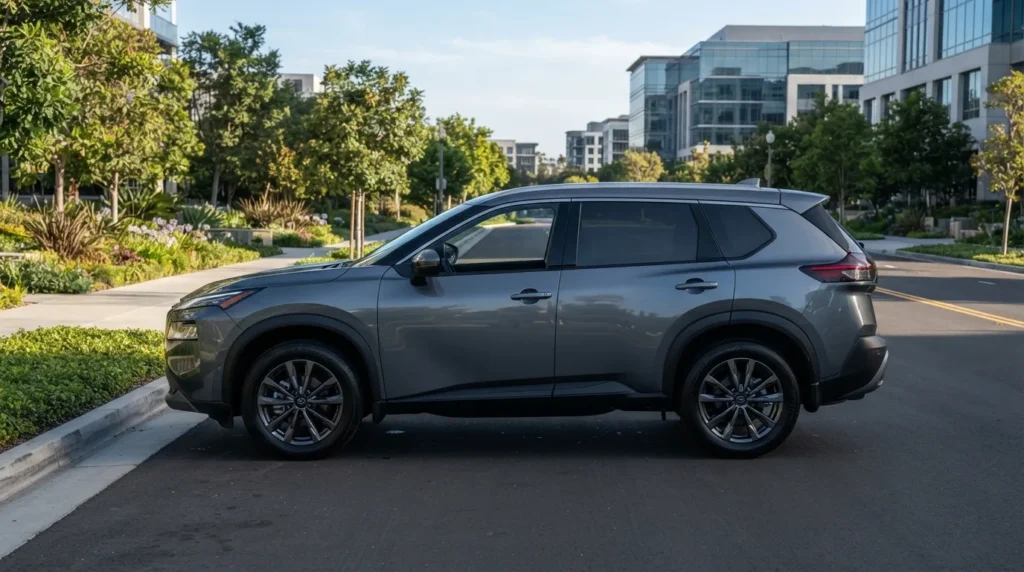
There isn’t just one reason behind this; it’s really a mix of practical, financial, and strategic factors coming together.
Emission norms are getting tougher. With BS6 Phase 2 and future regulations, diesel engines now need far more complex after-treatment systems just to stay compliant. That pushes up costs considerably, and for a brand trying to price itself competitively, that’s not an easy trade-off to make.
Diesel just isn’t as popular anymore. More and more buyers are leaning toward petrol, hybrid, or even electric options these days. The price gap between petrol and diesel fuel has also narrowed over time, which means diesel doesn’t offer the same savings advantage it once did.
Development costs add up fast. Building, testing, and certifying a diesel engine from scratch isn’t cheap. It makes more sense for Nissan to channel that money into refining its petrol engines and preparing for future electrified models instead.
It fits Nissan’s global direction. Most of Nissan’s newer SUVs worldwide are already leaning on turbo-petrol and hybrid tech. Aligning the India-spec Tekton with that same approach keeps things simpler on the production and supply-chain side.
Will This Disappoint Diesel Loyalists?
Fair question — and yes, some buyers, especially those who clock high highway mileage regularly, might feel a bit let down. Diesel still has its perks: strong low-end pull, relaxed cruising, and lower running costs over long distances.
That said, today’s turbo-petrol engines have come a long way. They’re quicker off the line, noticeably smoother, quieter in the cabin, and generally need less maintenance than older diesel units. For someone driving mostly within the city, the difference may barely register in day-to-day use.
What Else Can We Expect From the Tekton?
Beyond the engine talk, the Tekton is shaping up to be a genuinely feature-loaded SUV. Expect a large touchscreen infotainment system, a fully digital instrument cluster, wireless Android Auto and Apple CarPlay, ventilated front seats, a panoramic sunroof, a wireless charger, a 360-degree camera, connected car features, multiple airbags, ESC, and ADAS on the top-spec variants.
Who Will It Compete With?
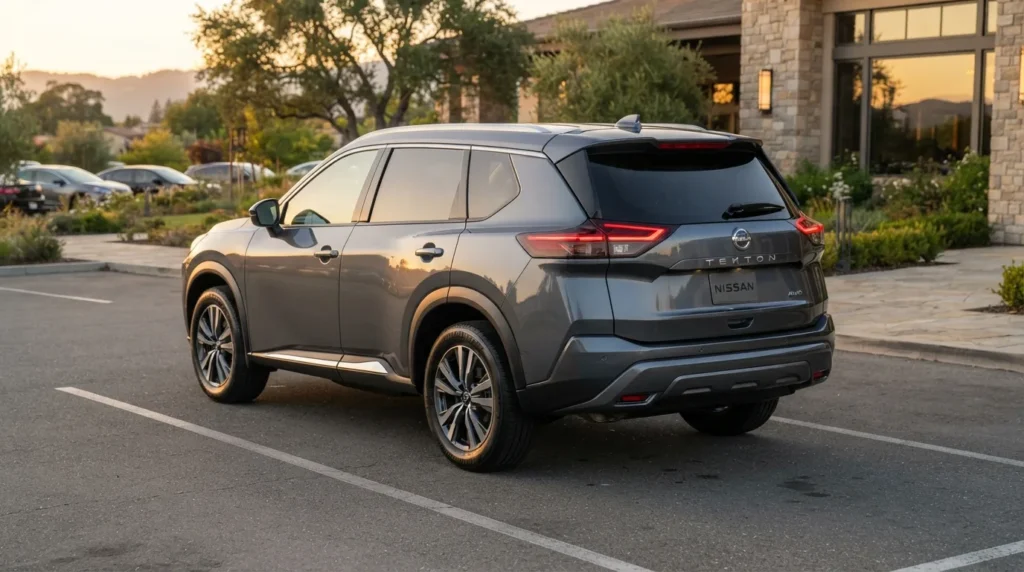
Nissan is walking into one of the toughest segments in the Indian market with this one. Expected rivals include the Hyundai Creta, Kia Seltos, Maruti Suzuki Grand Vitara, Toyota Urban Cruiser Hyryder, Honda Elevate, Volkswagen Taigun, and Skoda Kushaq, a genuinely stacked line-up of competitors.
When Will It Launch?
Nissan hasn’t locked in an exact launch date yet, but more details are expected to trickle out over the coming months, with an official unveiling likely closer to the actual market debut. Pricing and variant-wise specs should follow around that time, too.
Wrapping Up the Diesel Debate
The Nissan Tekton diesel debate might disappoint a small section of long-distance drivers, but Nissan’s petrol-first approach lines up well with where the market and emission rules are headed. If Nissan gets the pricing right and backs it up with strong features and dependable performance, the Tekton could still turn out to be a serious player in the midsize SUV space, diesel or no diesel.