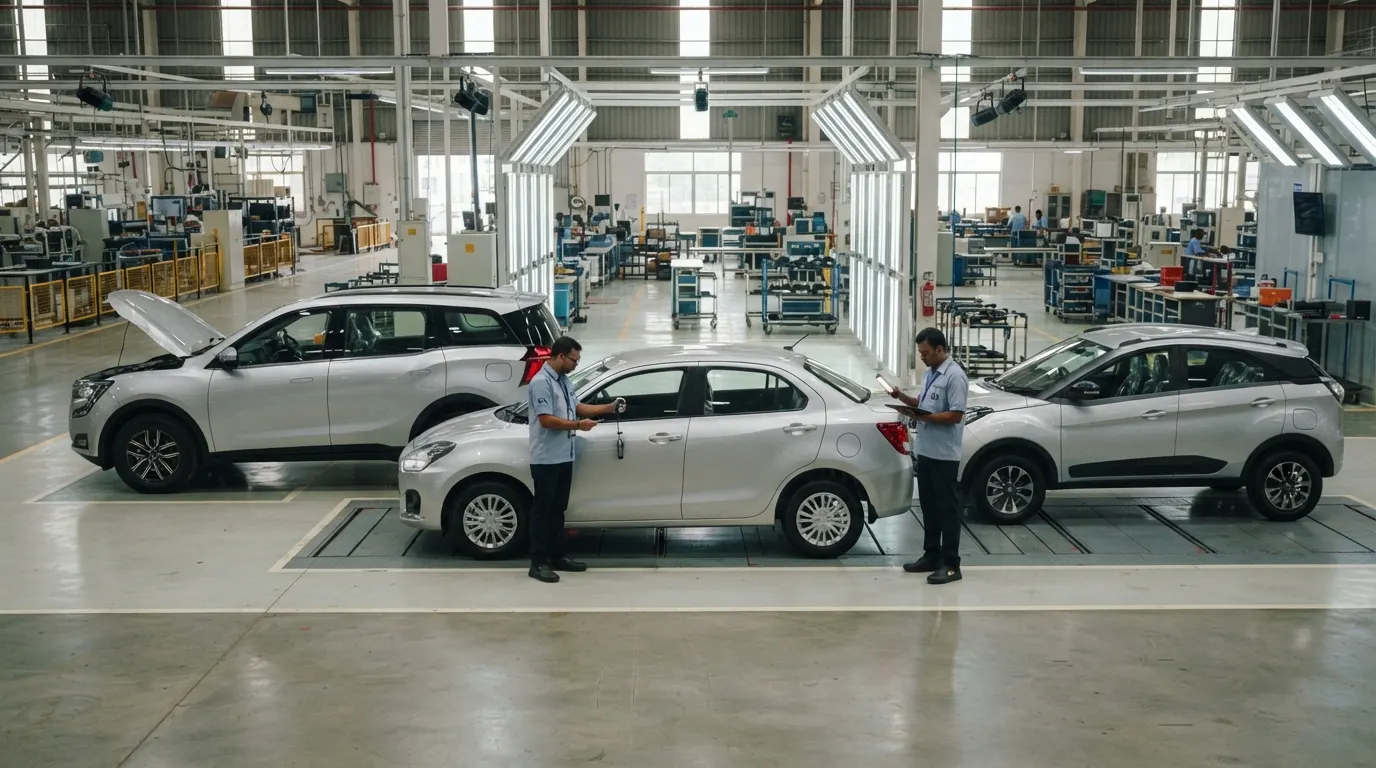
The European Union is tightening its trade, sustainability, and supply chain regulations, and this is set to change how automotive components are made, documented, and shipped abroad. For Indian auto suppliers, these EU automotive trade rules are not just another compliance checklist to tick off. They are a genuine chance to become more competitive globally and build lasting relationships with European automakers.
Europe continues to be one of the biggest export destinations for Indian automotive components. That means suppliers now need to get ready for tougher expectations around carbon emissions, supply chain transparency, product traceability, cybersecurity, and sustainability reporting. Businesses that act early will be better placed to win new contracts, while those that wait too long could end up paying more to catch up, or lose European customers altogether. Industry conversations happening across India already point to EU regulations becoming a top priority for automotive exporters.
Why Is the EU Tightening Trade Rules?
The EU is chasing two goals at once: its climate targets under the Green Deal, and a more resilient, less vulnerable supply chain. Because of this, European regulators are no longer just checking whether a product meets quality standards. They are looking at the entire life of a vehicle or component, right from where the raw material comes from to how it’s manufactured and eventually recycled.
For Indian auto suppliers, this shift means European buyers will start asking for verified environmental and compliance data, not just the usual quality certificates.
Key Areas Indian Auto Suppliers Must Focus On
1. Carbon Emissions Reporting
Carbon emissions are at the centre of this change. The EU’s Carbon Border Adjustment Mechanism (CBAM) currently applies to sectors like iron, steel, aluminium, cement, fertilizers, electricity, and hydrogen. But many industry experts believe carbon reporting requirements will gradually extend to downstream engineering goods, and automotive supply chains are likely to feel that impact over time. If your business exports steel-heavy auto parts, it’s worth preparing for more detailed emissions reporting sooner rather than later.
Here’s what suppliers should be doing:
- Track greenhouse gas emissions at the factory level
- Work on improving energy efficiency
- Shift more of their energy use toward renewables
- Keep emissions records accurate and up to date
2. Supply Chain Traceability
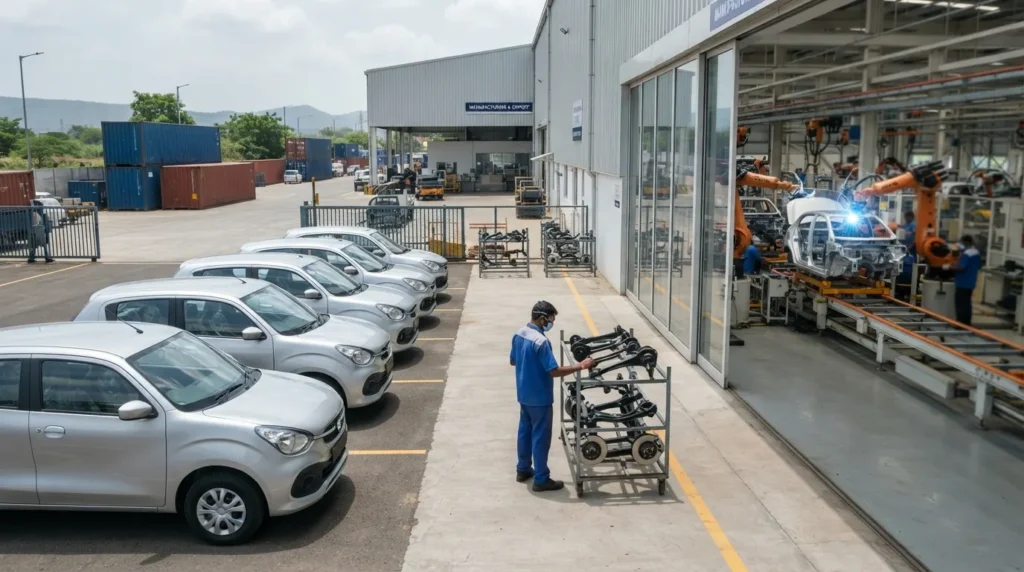
European OEMs want to know exactly where their components and raw materials come from, down to the last detail.
Suppliers need to be able to show:
- Where the material originated
- Where manufacturing actually took place
- Details of production batches
- Which suppliers were approved and how
- Complete quality documentation
Digital traceability tools have moved from being a nice-to-have to a real competitive edge. A number of upcoming EU regulations are pushing in the same direction, toward structured, verifiable supply chain data.
3. Sustainability Documentation
ESG (Environmental, Social, and Governance) reporting is becoming standard practice for anyone wanting to do business with European customers.
This usually covers:
- Energy and water consumption
- Waste management practices
- Worker safety standards
- Ethical sourcing
- Human rights compliance
Even mid-sized Indian suppliers are now receiving detailed sustainability questionnaires from global OEMs, so this isn’t something only large manufacturers need to worry about.
4. Digital Product Information
Upcoming EU rules will require more digital documentation to travel with automotive products throughout their lifecycle. Manufacturers should start organising:
- Digital documentation systems
- Product traceability records
- Material declarations
- Recycling information
- Compliance certificates
Keeping these digital records in order now will save a lot of stress during future audits.
5. Cybersecurity and Software Compliance
Modern vehicles run on software as much as hardware, and Europe is treating cybersecurity accordingly. Suppliers making Electronic Control Units, sensors, connected systems, Battery Management Systems, or ADAS components will need to prove they follow secure development practices and meet recognised international cybersecurity standards.
How the India-EU Trade Agreement Could Help
The recently concluded India-EU Free Trade Agreement is expected to cut tariffs on a large portion of bilateral trade once it is fully ratified and implemented. That could open real opportunities for Indian automotive exporters. But lower tariffs alone won’t guarantee success — meeting Europe’s technical, environmental, and sustainability expectations will matter just as much, if not more, as market access widens.
Steps Indian Auto Suppliers Should Take Now
| Action | Benefit |
|---|---|
| Conduct a compliance gap assessment | Identify areas needing improvement |
| Digitize quality and supplier records | Faster audits and approvals |
| Measure carbon footprint | Prepare for future reporting requirements |
| Strengthen supplier verification | Improve supply chain transparency |
| Invest in ESG reporting | Meet customer sustainability expectations |
| Upgrade cybersecurity systems | Support exports of connected vehicle components |
Challenges Ahead
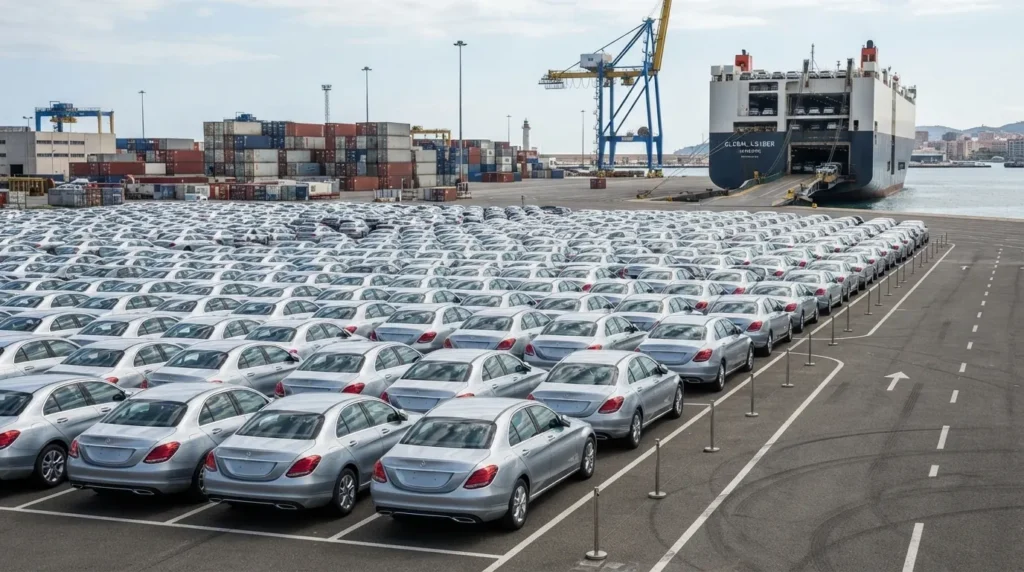
None of this comes free, especially for small and medium suppliers. The common hurdles include higher compliance costs, limited in-house sustainability expertise, complicated documentation requirements, difficulty collecting supplier data, the broader push toward digital transformation, and the technical challenge of accurately measuring carbon output. That said, many global OEMs are already stepping in to help strategic suppliers strengthen their compliance, simply because their own supply chains depend on it.
The Way Forward
EU automotive trade rules are moving away from simple product-level checks toward full lifecycle accountability. Quality alone won’t cut it anymore. European buyers now expect transparent supply chains, lower carbon footprints, strong cybersecurity, and reliable digital documentation from their Indian auto suppliers.
Rather than seeing this as a burden, Indian suppliers should treat it as an opening. Those who invest now in sustainability, traceability, and digital compliance will be in a far stronger position to deepen ties with global automakers, grow their exports, and stay competitive in one of the toughest automotive markets in the world. As EU regulations keep evolving, the suppliers who prepare early will be the ones who move from being just compliant vendors to becoming preferred global manufacturing partners.