
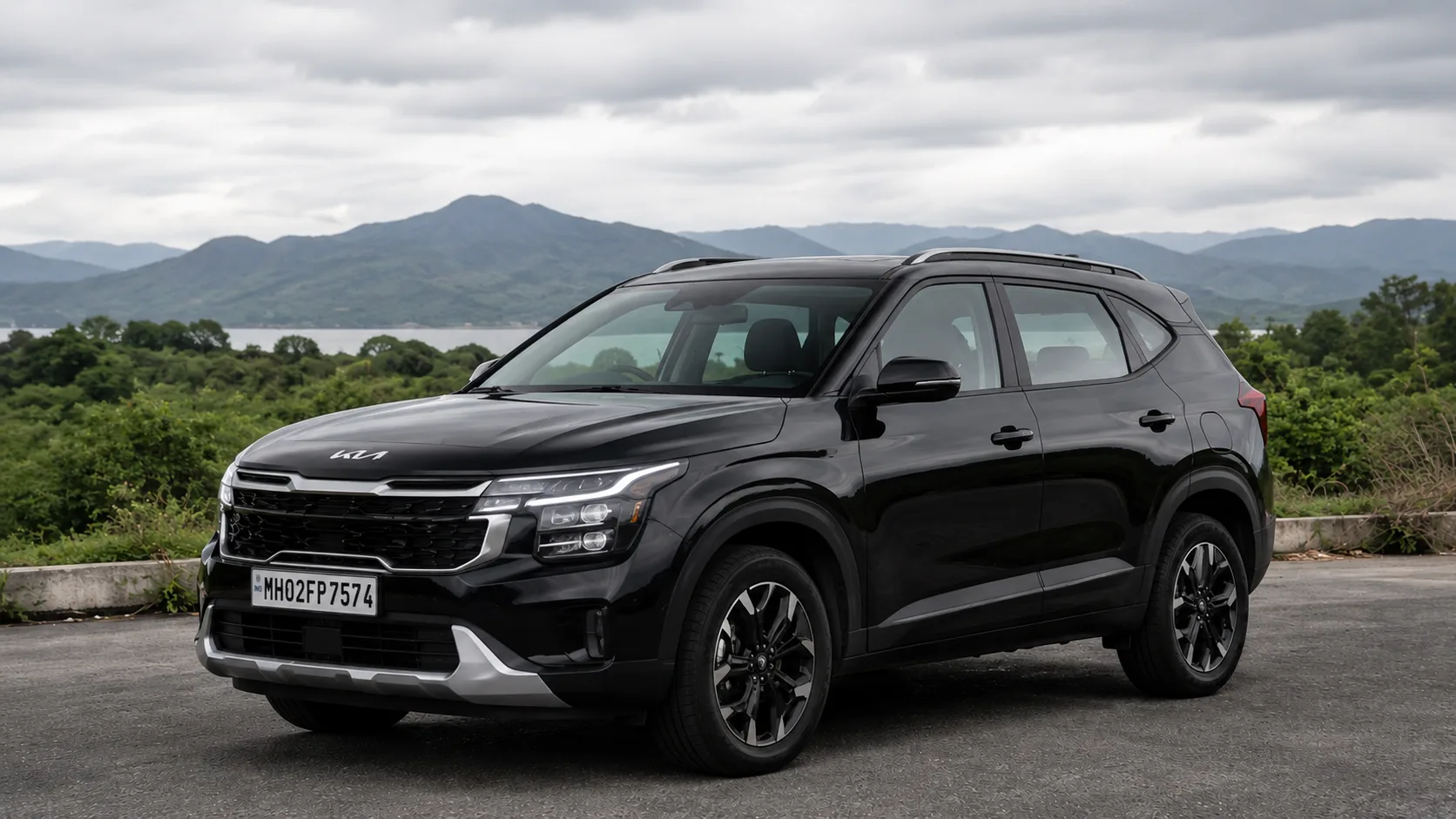
If you’ve been eyeing a new Kia, here’s some news worth knowing before you sign the papers. Kia India has confirmed that prices across its entire lineup will go up by as much as 2%, effective July 1, 2026. The announcement was made on June 18, and it applies to every model the brand currently sells in the country, from the budget-friendly Sonet to the flagship EV9.
Why Is Kia Raising Prices Again?
Kia isn’t doing this in isolation. Automakers across India have been nudging prices upward through 2026, and Kia’s reasoning falls in line with the rest of the industry: rising input costs and an overall increase in operational expenditure. In simple terms, the cost of steel, aluminum, plastics, electronics, and even shipping components into the country has kept climbing, and at some point, automakers have to pass a bit of that burden onto buyers.
To Kia’s credit, the company says it hasn’t fully offloaded these costs onto customers. It claims to have absorbed a substantial portion of the escalating costs internally in order to minimize the impact on customers, while still trying to protect the value customers get for their money.
Which Kia Models Are Affected?
Every model in Kia’s nine-car India lineup is covered under this revision. Here’s the full list:
| Kia Model | Expected Price Increase |
|---|---|
| Sonet | Up to 2% |
| Syros | Up to 2% |
| Seltos | Up to 2% |
| Carens | Up to 2% |
| Carens Clavis | Up to 2% |
| Carens Clavis EV | Up to 2% |
| Carnival | Up to 2% |
| EV6 | Up to 2% |
| EV9 | Up to 2% |
Kia hasn’t released a variant-by-variant breakdown yet, so the final number will depend on which trim you’re eyeing.
How Much Extra Will You End Up Paying?
Since this is a percentage-based hike, the actual rupee amount depends heavily on the car’s base price. On the affordable end, the Sonet currently starts at just Rs 7.33 lakh (ex-showroom), so buyers there might only feel a difference of a few thousand rupees.
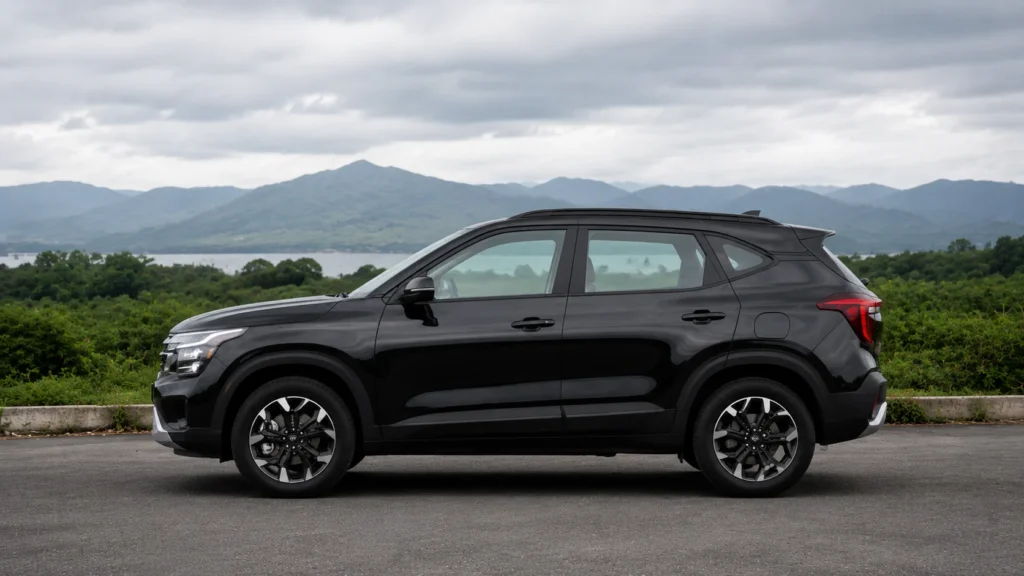
Things look very different at the top of the range. On the EV9, which is priced at Rs. 1.3 crore (ex-showroom), a 2% bump could translate to roughly Rs 2.6 lakh extra out of your pocket. Similarly, mid-to-premium models like the Carnival and EV6 will see a noticeably bigger jump in absolute terms compared to the compact SUVs, simply because they start from a higher base.
If you’re wondering whether this is a Kia-specific move, it isn’t. Several other manufacturers have made similar calls around the same time. Tata Motors announced that it would increase the prices of its commercial vehicles by up to 2.5 percent, effective July 1, 2026, while Hyundai Motor India has increased the prices of all its cars effective June 1. Maruti Suzuki, MG Motor, and BMW India have also revised their price lists in recent weeks. This kind of synchronized movement usually points to industry-wide cost pressure rather than something unique to one brand.
Should You Rush to Buy Before July 1?
If you’ve already narrowed down your choice, buying before the deadline could save you some money, especially on the pricier models where even a small percentage translates into a large rupee figure. That said, a 2% difference shouldn’t be the sole reason to rush a big-ticket purchase. It’s worth comparing dealership offers, checking festive or monsoon-season discounts, and making sure the variant you’re picking actually fits your needs before locking in the deal.
Final Thoughts
Kia’s July 2026 price hike is a modest one on paper, capped at 2%, but the real-world impact varies a lot depending on which car you’re buying. Compact models like the Sonet and Seltos will barely feel the pinch, while premium offerings like the Carnival, EV6, and EV9 will see a more noticeable jump. If a Kia is already on your shortlist, it’s worth checking with your local dealer for the latest on-road price before the new rates kick in.