
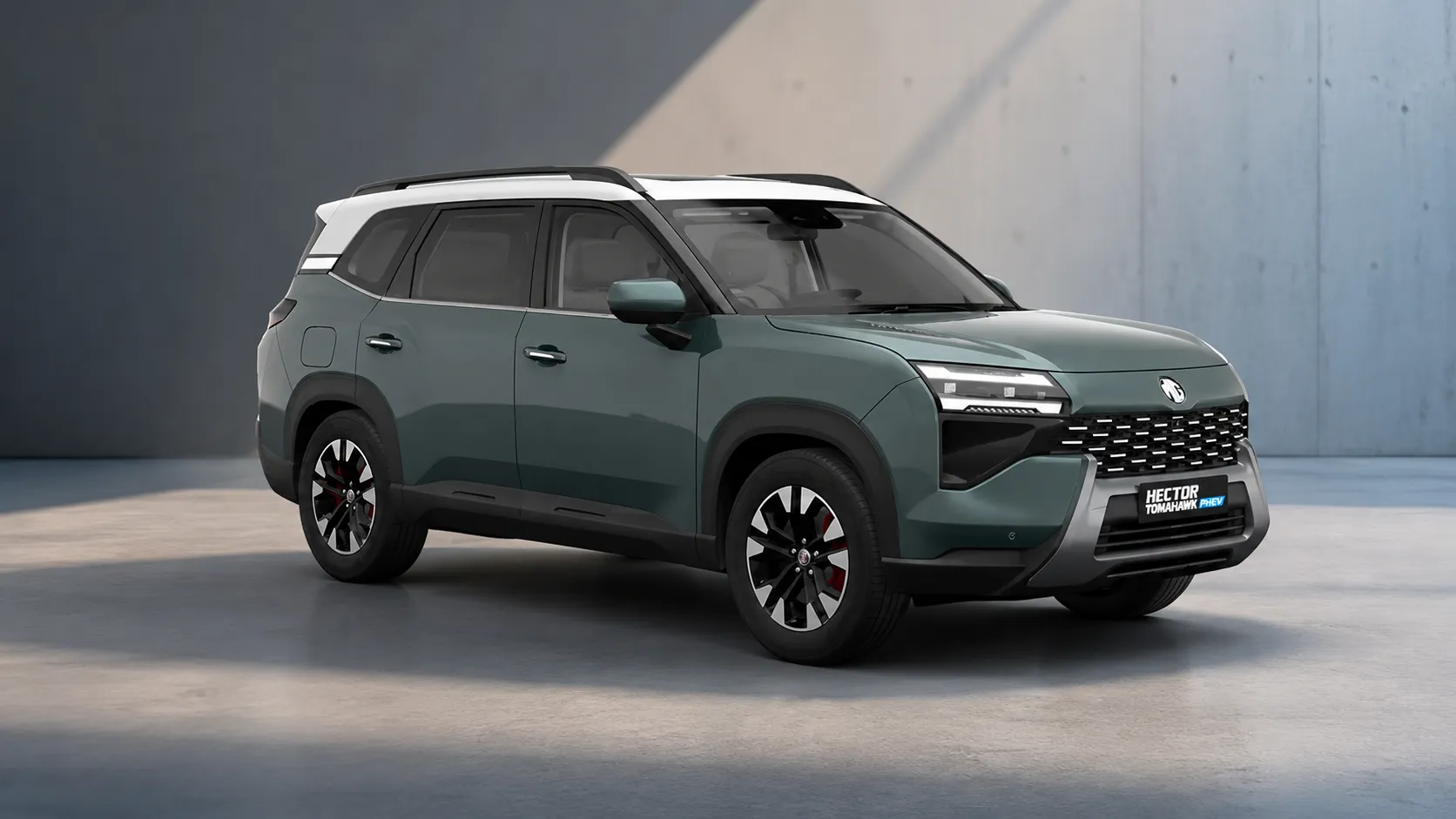
The SUV market is entering another interesting phase as electrified powertrains become increasingly important for buyers looking beyond traditional petrol and diesel models. The MG Tomahawk PHEV and Kia Sorento Hybrid represent two different approaches to electrified SUVs, creating a new point of comparison around efficiency, practicality, performance and long-distance usability.
The MG Tomahawk PHEV is positioned as a plug-in hybrid SUV, combining an internal combustion engine with electric power. Its biggest advantage is the ability to use external charging to make greater use of electric driving during shorter daily trips. For buyers who have access to home or workplace charging, this setup could reduce dependence on the petrol engine for regular commuting.
The Kia Sorento Hybrid, on the other hand, follows a conventional hybrid approach. It combines a petrol engine with an electric motor and battery system, but does not require the same level of charging infrastructure as a plug-in hybrid. The system can recharge the battery through regenerative braking and the engine, making it more convenient for buyers who regularly travel long distances.
This difference could become one of the most important factors in the comparison. A PHEV generally makes the most sense for owners who can charge frequently and have predictable daily driving patterns. A conventional hybrid can be easier for people who want better fuel efficiency without changing their driving or charging habits.
Space and practicality will also play an important role. Both SUVs target customers who want more than just an efficient powertrain. Buyers in this segment are likely to look for comfortable interiors, modern technology, strong safety equipment and enough cabin space for family use.
The MG Tomahawk has also attracted attention because of its larger SUV positioning and electrified focus. MG has been expanding its presence in electrified vehicles, and a plug-in hybrid model could give the brand another option between conventional petrol SUVs and fully electric vehicles.
The Sorento, meanwhile, has established itself internationally as a family-oriented SUV with a strong focus on comfort and practicality. Its hybrid powertrain gives buyers an electrified option while retaining the convenience associated with a petrol-powered vehicle.
Performance is another area where the two could take different approaches. A plug-in hybrid can deliver strong initial electric acceleration because of the instant torque from its electric motor. The Sorento Hybrid is designed more around smooth power delivery and efficiency, although the exact driving experience depends on the powertrain configuration available in each market.
For Indian buyers, pricing and localisation could ultimately decide how competitive these models become. The PHEV technology is attractive, but higher battery and powertrain costs can push prices above conventional hybrids. Buyers will also consider charging availability, fuel savings and after-sales support before making a decision.
The MG Tomahawk PHEV and Kia Sorento Hybrid therefore represent more than two competing SUVs. They highlight two different directions for electrified family vehicles. The Tomahawk PHEV focuses on combining electric driving with petrol-engine flexibility, while the Sorento Hybrid offers electrification without making charging part of the ownership experience.
As the SUV market continues to move toward cleaner powertrains, this battle could become increasingly relevant. For buyers, the choice may ultimately come down to one simple question: is maximum electric driving worth the added charging commitment, or is a conventional hybrid the more convenient middle ground?
Also Read :- MG Hector Tomahawk EV vs Mahindra XEV 9S: Which EV SUV Is Better?