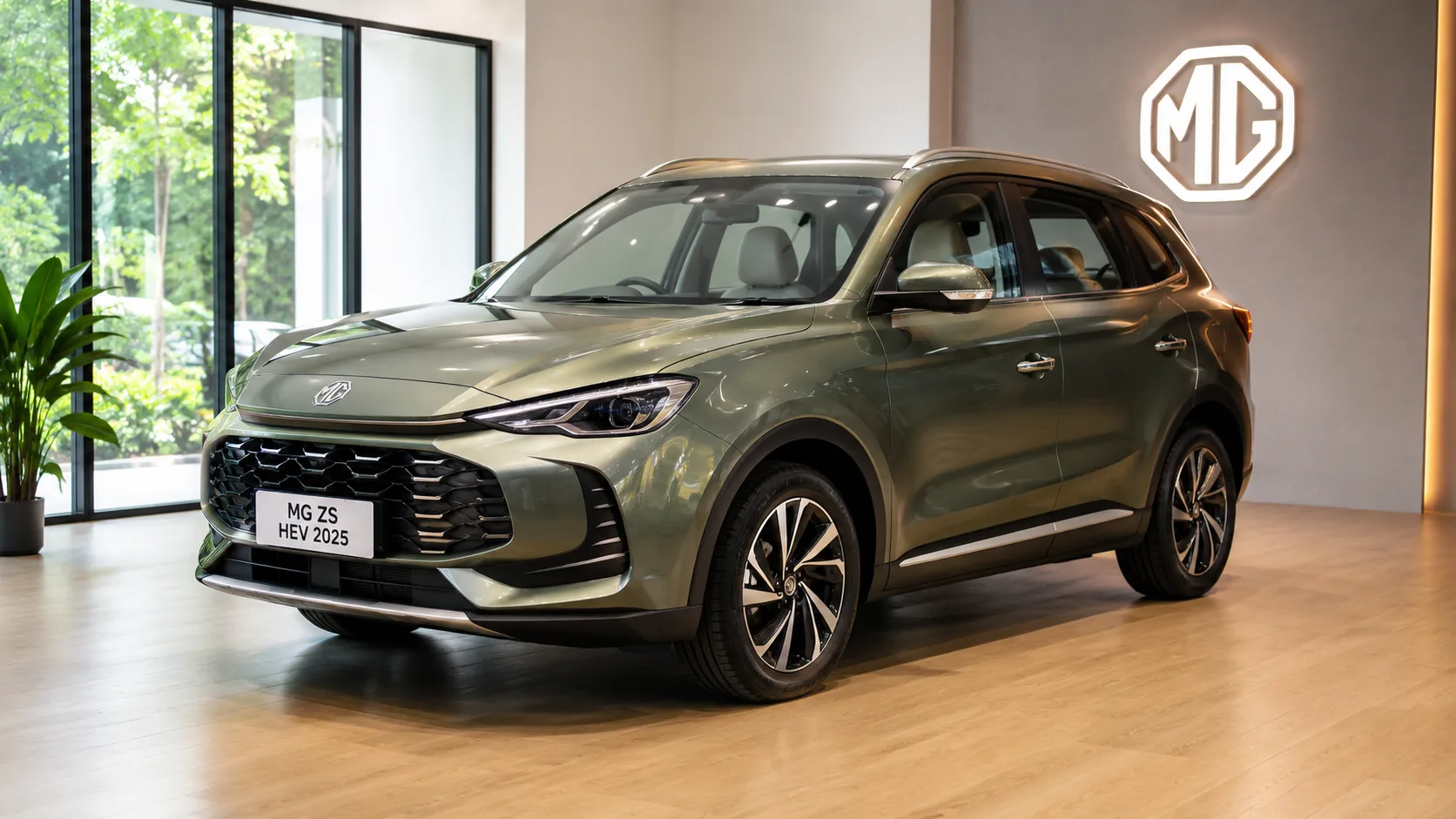
MG Motor India has never shied away from betting on technology to win over Indian buyers, and the original Astor proved that strategy could work. It was the first car in its segment to offer an AI-powered voice assistant sitting right on the dashboard, along with Level 2 ADAS features that were rare at this price point back in 2021. Now, with the Astor facelift on the horizon, MG has a real opportunity to reset the conversation in the compact SUV space, a segment currently dominated by the Hyundai Creta, Kia Seltos, and Skoda Kushaq.
Why the Timing Matters
The compact SUV segment in India has grown far more crowded and demanding since the Astor’s debut. Buyers today expect more than just a spacious cabin and a peppy engine; they want connected tech, a premium-feeling interior, and safety features that used to be reserved for cars a segment above. MG seems to understand this shift. Reports around the facelift point to a redesigned front fascia with sharper LED headlamps, a bolder grille, and refreshed bumpers, changes aimed at giving the Astor a more contemporary road presence without straying too far from what already works.
What’s Likely to Change
Based on early previews and industry reports, the cabin is where MG appears to be investing the most attention. Expect an updated infotainment system, refreshed upholstery, and improvements to the AI assistant that made the original Astor stand out. The Level 2 ADAS suite, digital instrument cluster, and panoramic sunroof are all expected to carry over, possibly with added refinements.
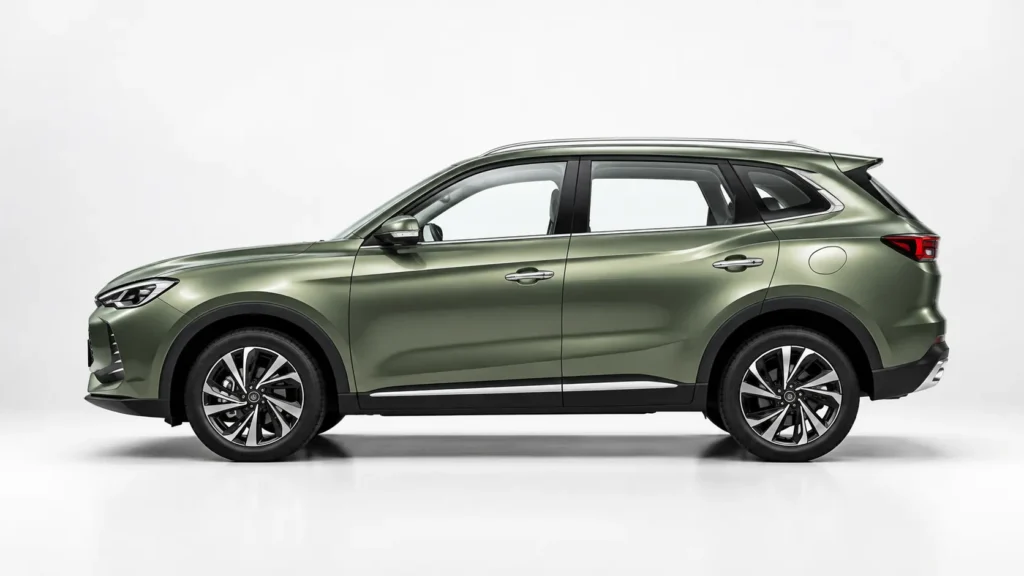
On the mechanical side, most reports suggest MG will stick with the familiar formula: a 1.5-litre naturally aspirated petrol engine producing around 110 PS, alongside the 1.3-litre turbo-petrol option offering closer to 140 PS. Manual and CVT transmission choices are expected to continue as well. It’s worth noting that none of these specifications have been officially confirmed by MG yet, so buyers should treat them as informed expectations rather than final details until the company makes an announcement.
Pricing Could Be the Real Differentiator
The current Astor already undercuts most of its rivals, with prices starting below ₹10 lakh. If MG manages to keep the facelift’s starting price in a similar range, reports suggest a band of roughly ₹10-18 lakh, depending on the variant, it could sharpen the value proposition considerably. In a segment where buyers are often torn between brand trust and feature count, a well-priced, tech-loaded Astor facelift gives MG a genuine argument to make.
The Bigger Picture for MG
MG’s presence in India has been built on offering something different, whether that’s the Hector’s size, the ZS EV’s early mover advantage, or the Astor’s AI-first approach. A successful facelift wouldn’t just refresh one model; it would signal that MG is serious about staying competitive as rivals like Hyundai and Skoda roll out their own updates. With an expected launch window around late 2026, the Astor facelift has a chance to walk into showrooms with real momentum, provided MG nails the balance between fresh styling, updated tech, and a price tag that doesn’t lose sight of what made the original car appealing in the first place.
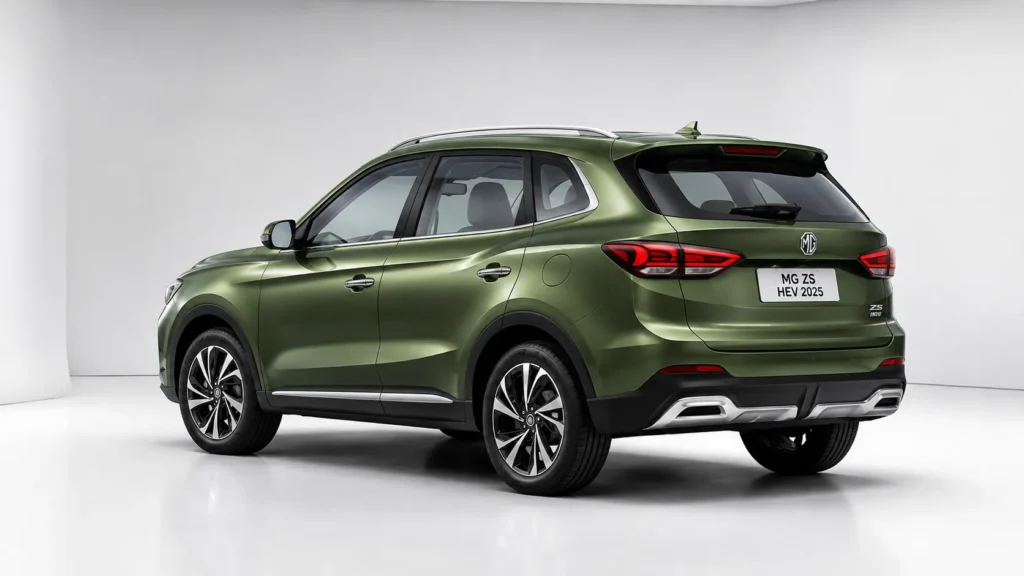
Until MG confirms the official specifications and pricing, this remains a story to watch rather than a verdict to give, but the ingredients for a genuine game changer are there.
Also See :- Kia Sorento India: Official Teaser Out, Pre-Bookings Open at Rs 25,000