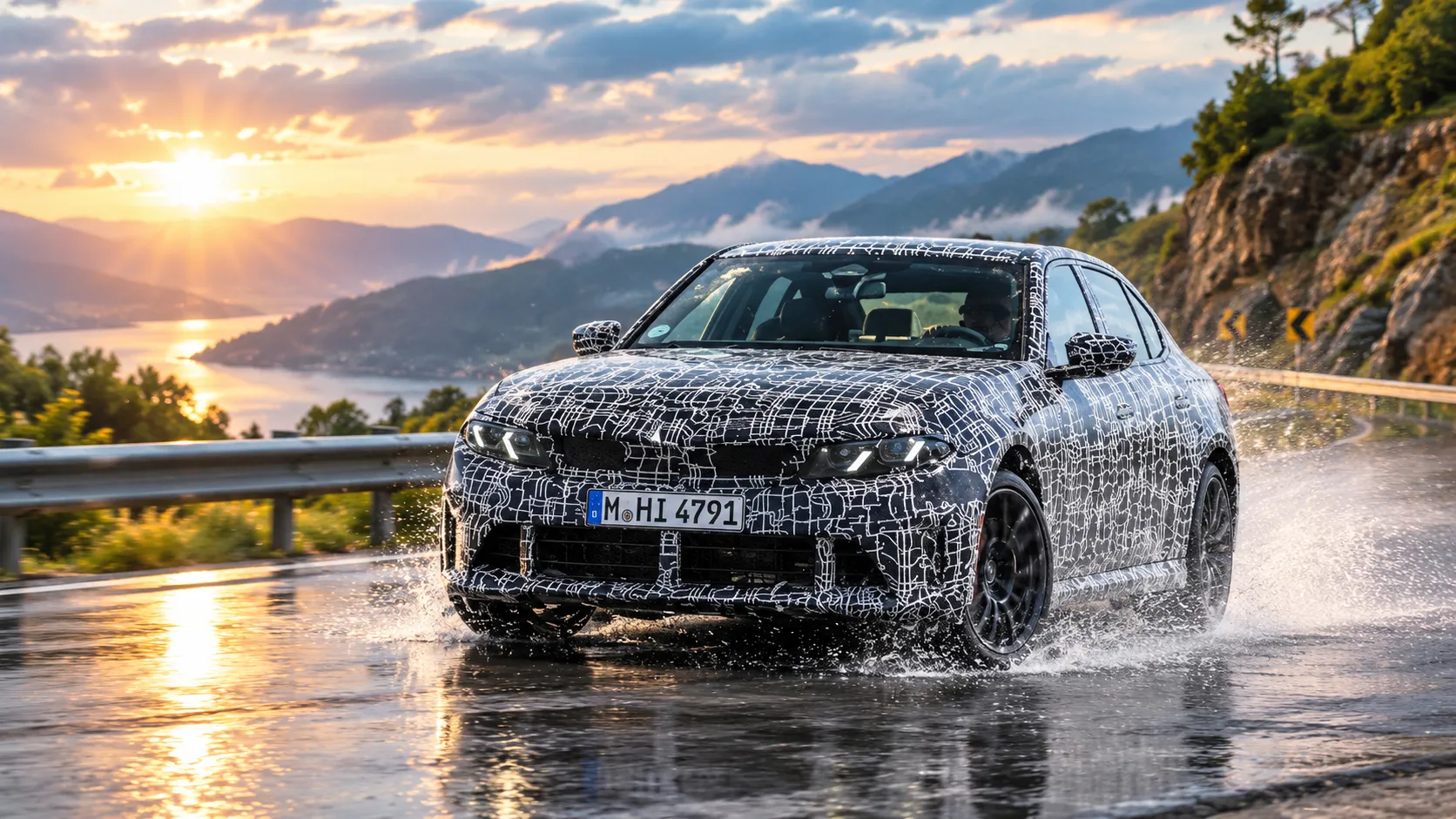
BMW is preparing the next-generation 3 Series with a continued focus on internal-combustion power, despite the company’s growing investment in electric vehicles. The upcoming BMW 3 Series is expected to retain petrol engines, including four-cylinder and six-cylinder units, giving buyers more choice across different performance levels.
The new-generation 3 Series will be part of BMW’s broader strategy of offering different powertrain technologies on the same platform. While the brand is expanding its Neue Klasse-based electric models, it is also developing updated combustion-engine cars for markets where petrol-powered vehicles continue to have strong demand.
Four-Cylinder and Six-Cylinder Petrol Engines Expected
The next BMW 3 Series is expected to use an updated range of petrol engines, with four-cylinder units likely to power the more accessible variants. These engines are expected to receive improvements in efficiency, performance and emissions compliance as BMW continues to update its combustion technology.
Higher variants are expected to continue with six-cylinder petrol engines. BMW’s inline-six engines have traditionally been an important part of the 3 Series range, particularly for buyers looking for stronger performance and smoother power delivery.
The availability of both engine configurations could help BMW maintain the 3 Series’ appeal across different markets. Exact engine specifications, power outputs, and transmission combinations are expected to vary depending on the market and variant.
ICE and EV Models to Coexist
BMW’s decision to continue developing petrol-powered versions of the 3 Series highlights the company’s flexible approach to electrification. Instead of immediately replacing combustion models with EVs, BMW is expected to offer customers a choice between internal-combustion, hybrid and fully electric powertrains.
This strategy could be particularly important in markets where charging infrastructure and EV adoption are still developing. Petrol-powered 3 Series models can continue to serve customers who prefer conventional engines, while BMW’s electric models will target buyers ready to move to zero-emission mobility.
What to Expect From the New 3 Series
The new-generation 3 Series is expected to bring updates beyond its powertrain lineup, including changes to its exterior design, cabin technology and driver-assistance systems. BMW is also likely to introduce newer infotainment and connectivity features as part of the model’s next major update.
For performance-focused buyers, the continued availability of a six-cylinder petrol engine will be particularly significant. BMW’s inline-six powertrains remain a key part of the brand’s performance identity, and retaining them could help the 3 Series remain competitive against rivals such as the Mercedes-Benz C-Class and Audi A4 successor.
BMW is yet to reveal the complete technical details of the new 3 Series. More information about engine specifications, launch timelines, and market-specific variants is expected closer to its official debut.
Also Read :- Honda Amaze Price Hike 2026: 2nd Price Increase